Corporate Landscape and Consumer Dynamics in Early 2026
On 28 February 2026, European equity markets exhibited a cautiously optimistic tone. In the United Kingdom, the FTSE 100 posted a modest gain, underscoring a generally supportive environment for listed companies, while the major indices in France, Germany, Switzerland, and the broader Stoxx 600 delivered mixed results. Amid this heterogeneous backdrop, Coca‑Cola Europacific Partners PLC—a London‑listed beverage producer with operations spanning Europe—remained a resilient presence.
Stability Amidst Geopolitical and Inflationary Pressures
The company’s share price continued to trade near the upper end of its recent one‑year range, a testament to its enduring appeal in a sector that thrives on consistent consumer demand. Importantly, Coca‑Cola Europacific’s valuation—reflected in its earnings‑to‑price ratio—remains aligned with peer performance within the consumer staples arena. Analysts have not highlighted significant concerns or overt shifts in sentiment, suggesting that the firm’s fundamentals are withstanding broader geopolitical uncertainties and inflationary headwinds that have weighed on other segments of the European market.
Intersecting Trends: Digital Transformation and Physical Retail
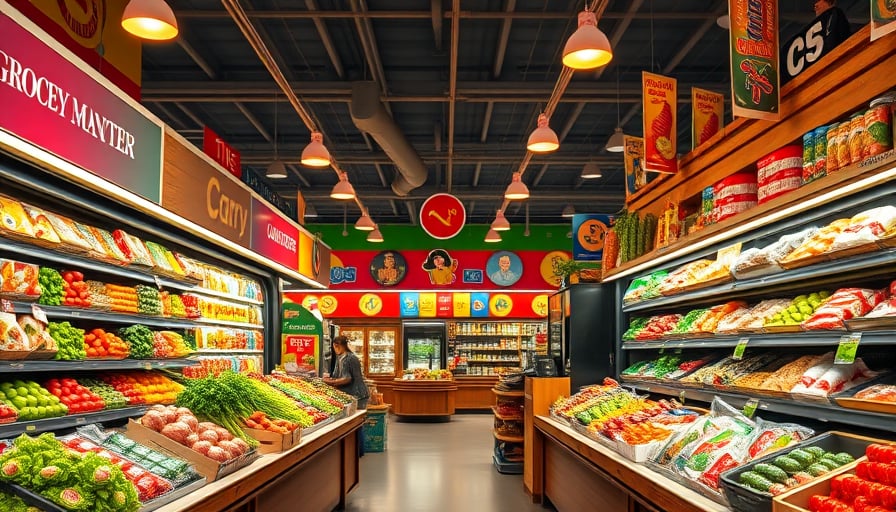
The current market environment underscores the continuing evolution of the consumer experience. While the pandemic accelerated digital commerce, a growing cohort of consumers is seeking hybrid interactions that combine the convenience of online channels with the sensory and social benefits of physical stores. This trend is particularly pronounced among Generation Z and Millennials, who value experiential retail and are willing to pay a premium for personalized, tech‑enabled in‑store encounters.
Coca‑Cola Europacific’s distribution network—anchored by both traditional retail and emerging formats such as pop‑up kiosks and digital vending—positions the firm to capitalize on this hybrid model. Investment in data‑driven inventory management and real‑time consumer insights will further enable the company to tailor product assortments to local preferences, thereby enhancing foot traffic and online conversion rates.
Generational Spending Patterns and Cultural Movements
Sustainability as a Driver Younger consumers are increasingly prioritizing environmental stewardship. Beverage brands that can demonstrate responsible sourcing, reduce packaging waste, and communicate transparent sustainability metrics are likely to capture loyalty and command higher price points. Coca‑Cola Europacific’s ongoing initiatives in recyclable packaging and renewable energy commitments could serve as a differentiator within the crowded soft‑drink segment.
Health‑Conscious Consumption The shift toward low‑sugar, functional, and plant‑based beverages aligns with the health‑first ethos of Generation Z and Millennials. Diversifying the product portfolio to include fortified drinks, probiotic beverages, and naturally sweetened options can broaden the company’s appeal and mitigate the risks associated with declining traditional soda sales.
Digital Storytelling and Community Building Social‑media‑savvy consumers respond to immersive storytelling and participatory brand experiences. Leveraging platforms such as TikTok, Instagram, and emerging short‑form video services to showcase behind‑the‑scenes production stories, sustainability milestones, and localized flavor releases can deepen engagement and drive user‑generated content, amplifying reach organically.
Market Opportunities and Strategic Recommendations
Expand Digital-Physical Synergy Invest in omnichannel capabilities that seamlessly blend online ordering, curb‑side pickup, and in‑store interactive displays. Retail partners could adopt “smart shelves” that provide real‑time pricing and promotional data, enhancing shopper experience and boosting sales velocity.
Accelerate Product Innovation Allocate resources toward research and development of health‑aligned beverages, focusing on low‑calorie, functional, and plant‑based categories. Pilot limited‑edition, region‑specific flavors that cater to local tastes, thereby creating buzz and fostering a sense of exclusivity.
Strengthen Sustainability Credentials Publicly disclose detailed sustainability KPIs and progress reports. Engage in cross‑industry collaborations to develop recyclable or compostable packaging solutions, positioning the brand as a leader in environmental responsibility.
Leverage Data Analytics Deploy advanced analytics to parse consumer purchasing behavior, enabling predictive stocking models and targeted marketing campaigns. Personalization—through loyalty programs, dynamic pricing, and curated product recommendations—can enhance customer lifetime value.
Enhance Supply Chain Resilience Diversify sourcing partners and explore local production options to reduce exposure to geopolitical disruptions and transportation bottlenecks. Implement blockchain or other traceability technologies to reassure consumers about product provenance and safety.
Forward‑Looking Outlook
The European equity landscape in early 2026, while mixed, offers a fertile environment for consumer staples that exhibit agility in adapting to evolving lifestyle trends. Coca‑Cola Europacific’s steady performance amid broader market volatility signals a robust foundation. By integrating digital innovations with a renewed focus on sustainability, health consciousness, and experiential retail, the company can unlock new growth avenues that resonate with contemporary consumers and meet the demands of a rapidly shifting socio‑economic fabric.