
Corporate News Analysis: Navigating Regulatory Hurdles and Emerging Consumer Trends in the German Beverage Market
Regulatory Complexity and its Impact on Operational Agility
On 3 December 2025, a spokesperson for Coca‑Cola Europacific Partners (CCEP) highlighted that the company’s bottling operations in Germany are hampered by “difficult local conditions.” The representative explained that even modest projects encounter prolonged approval cycles because multiple authorities must be consulted rather than a single point of contact. This fragmentation not only delays project timelines but also inflates costs, eroding the efficiency gains that digital supply‑chain platforms promise.
The regulatory bottleneck exemplifies a broader trend in mature European markets: the proliferation of niche compliance requirements that arise from heightened environmental standards, data‑protection mandates, and local economic development initiatives. While such regulations protect public interests, they create operational friction for global consumer brands that rely on lean, digitally‑managed bottling networks.
Digital Transformation Meets Physical Retail: A Double‑Edged Sword
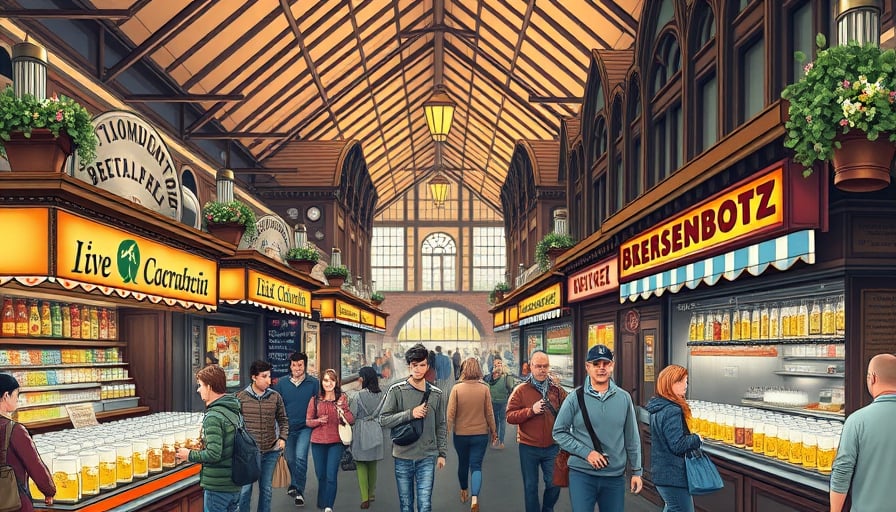
The beverage sector is at a crossroads where digitalization and brick‑and‑mortar commerce are increasingly intertwined. On the one hand, e‑commerce platforms allow brands to reach consumers directly, bypassing traditional retail intermediaries. On the other hand, experiential retail—pop‑up shops, in‑store sampling, and omnichannel loyalty programs—remains essential for brand differentiation in saturated markets.
For CCEP, the regulatory slowdown in Germany underscores the need for a hybrid approach:
- Digital Planning Tools – Advanced project‑management software can map regulatory timelines, flag jurisdictional overlaps, and automate compliance documentation.
- Agile Partnerships – Collaborating with local bottling partners who already possess the necessary regulatory knowledge can shorten approval periods.
- Experiential Retail – By investing in temporary, low‑commitment retail formats that can be rolled out quickly, the company can maintain consumer engagement while awaiting permanent facility approvals.
Generational Spending Patterns and Lifestyle Shifts
The German market is experiencing a pronounced demographic transition. The rising share of Generation Z and Millennials—collectively accounting for 35 % of the population—demonstrates distinct consumer behaviors:
- Health Consciousness – Preference for low‑calorie, natural‑ingredient beverages.
- Digital Natives – Expect seamless online ordering, personalized offers, and social‑media‑driven brand storytelling.
- Experiential Demand – Willingness to spend on immersive, location‑based experiences (e.g., themed pop‑ups, augmented‑reality activations).
Traditional beverage giants must adapt product lines and marketing strategies to align with these expectations. For instance, launching a line of plant‑based, fortified drinks can tap into health trends, while integrating QR‑code‑enabled AR experiences can elevate store visits into shareable moments.
Market Opportunities Stemming from Societal Changes
- Sustainable Packaging Solutions – With tightening EU packaging regulations, companies that adopt recyclable or biodegradable bottles gain a competitive edge. CCEP can invest in research‑and‑development of lightweight, recyclable PET alternatives, reducing both environmental impact and logistical costs.
- Local Production Hubs – Decentralized bottling units can reduce supply‑chain vulnerabilities and respond faster to local demand fluctuations. Although regulatory hurdles exist, strategically located micro‑bottling facilities—paired with digital monitoring—could circumvent some bureaucratic layers.
- Digital-First Distribution Models – Leveraging data analytics to predict regional consumption patterns allows for dynamic inventory allocation, minimizing waste and ensuring shelf availability where it matters most.
- Cross‑Sector Collaborations – Partnering with fintech firms to offer “pay‑later” or subscription models can attract younger consumers who favor flexible payment options.
Forward‑Looking Outlook
The interplay between regulatory complexity, digital transformation, and evolving consumer preferences will shape the trajectory of the German beverage industry over the next decade. Companies that:
- Embed compliance into digital workflows
- Balance online and physical touchpoints
- Align product portfolios with lifestyle shifts
will not only navigate current bottlenecks but also capture new revenue streams. For Coca‑Cola Europacific Partners, overcoming the multi‑authority approval process will require an integrated strategy that marries regulatory agility with innovative consumer experiences. By doing so, the brand can maintain its market presence while positioning itself for sustainable growth in an increasingly dynamic retail landscape.