
Corporate Overview and Market Context
Centrica PLC, a prominent player in the energy sector, reported a modest decline in its share price during the most recent trading session. The dip mirrors broader softness observed across technology and industrial sectors, driven in part by heightened investor scrutiny of upcoming earnings from major semiconductor and AI‑hardware firms. While Centrica’s revenue and earnings guidance remain unchanged, the company reiterated its commitment to operational efficiency and strategic investments in high‑growth segments within the power generation, transmission, and distribution (GTD) arena.
Power Generation Strategy
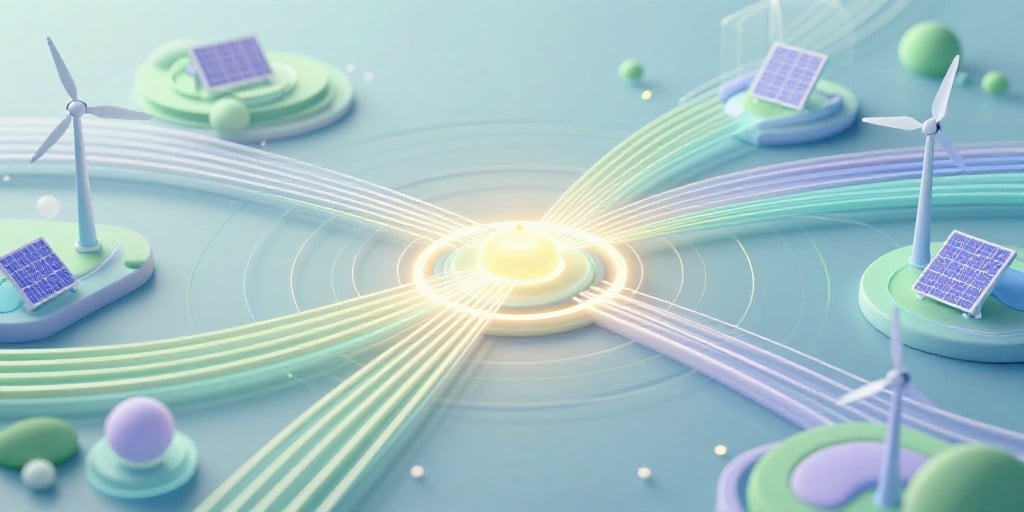
Centrica’s generation portfolio is diversifying toward a higher share of renewable assets, particularly wind and solar farms. The company is pursuing several megawatt‑scale projects that incorporate advanced in‑grid energy storage solutions to mitigate intermittency. By deploying battery storage systems with capacities ranging from 50 to 150 MWh, Centrica can smooth output fluctuations, thereby enhancing grid stability and reducing reliance on peaking thermal generators. The integration of these storage assets aligns with the broader industry shift toward flexible, low‑carbon generation mixes.
Transmission and Distribution Modernization
Centrica’s transmission network is undergoing a systematic upgrade to accommodate bidirectional power flows associated with distributed generation and electric vehicle (EV) charging infrastructure. The company is implementing high‑voltage direct current (HVDC) links and adaptive protection schemes to improve fault isolation and minimize outage durations. In the distribution domain, smart grid technologies—such as microgrids, advanced metering infrastructure (AMI), and dynamic load‑management platforms—are being deployed to enable real‑time voltage regulation and asset health monitoring.
These upgrades address the technical challenges of integrating variable renewable generation into an existing grid that was originally designed for unidirectional flow from centralized plants to consumers. By enhancing grid flexibility, Centrica aims to reduce congestion losses and support higher penetration levels of renewables without compromising reliability.
Grid Stability and Renewable Integration Challenges
The transition to a renewable‑heavy grid presents several engineering hurdles:
| Challenge | Technical Implication | Centrica’s Mitigation |
|---|---|---|
| Voltage fluctuations | Rapid changes in power injection can cause voltage sags or swells. | Deployment of static voltage regulators and on‑line capacitor banks. |
| Frequency regulation | High penetration of inverter‑based resources weakens natural frequency support. | Integration of battery storage with fast response capabilities (≤ 250 ms) to provide synthetic inertia. |
| Grid congestion | Limited transmission capacity in key corridors restricts renewable dispatch. | Construction of HVDC backbones and dynamic line rating technologies. |
| Cyber‑physical security | Increased digitalization raises vulnerability to cyber threats. | Adoption of zero‑trust network architecture and continuous anomaly detection systems. |
By addressing these issues, Centrica demonstrates its readiness to support the grid’s evolving operational paradigms while maintaining system reliability.
Regulatory Frameworks and Rate Structures
Centrica’s modernization initiatives are shaped by a complex regulatory landscape:
- National Grid Codes: Mandate technical standards for renewable integration, including ride‑through requirements and maximum inverter penetration levels.
- Independent System Operator (ISO) Market Rules: Define market participation incentives for storage and demand response services, influencing Centrica’s revenue mix.
- Utility Regulatory Bodies: Set tariff structures that balance cost recovery with consumer affordability, often incorporating performance‑based rate elements tied to reliability metrics.
The company’s strategic investments are calibrated to meet these regulatory mandates while optimizing cost‑to‑service. For instance, the inclusion of demand‑side management in Centrica’s rate design can lower peak demand charges and reduce the need for expensive generation expansions.
Economic Impact and Consumer Costs
The capital intensity of GTD upgrades translates into higher upfront costs, yet these investments yield long‑term benefits:
- Reduced Transmission Losses: Improved line ratings and HVDC links lower energy losses, enhancing overall efficiency.
- Lower Peak Demand Charges: Smart load management diminishes peak demand, leading to lower operating costs for both utilities and consumers.
- Enhanced Reliability: Faster fault isolation and restoration times reduce the economic impact of outages on businesses and households.
- Renewable Integration Savings: By accommodating more renewables, Centrica can avoid costly fossil‑fuel procurement and comply with carbon‑reduction mandates.
While some short‑term rate adjustments may be necessary to finance infrastructure projects, regulatory bodies are increasingly incorporating cost‑of‑service mechanisms that allow utilities to recover investments without disproportionately burdening consumers.
Conclusion
Centrica PLC’s recent trading performance reflects broader market sensitivities but does not signal fundamental shifts in its business model. The company’s focused investment strategy in advanced GTD technologies positions it to navigate the technical challenges of renewable integration, grid stability, and regulatory compliance. By aligning engineering innovations with sound economic frameworks, Centrica aims to sustain steady growth while contributing to the broader energy transition.