
Carnival Corporation Faces Safety‑Driven Market Headwinds While Preparing Strategic Overhauls
Carnival Corporation & plc, the world’s largest cruise operator, has recently confronted a series of safety incidents that have reverberated through its financial performance, brand perception, and strategic roadmap. The tragic loss of two passengers aboard the Carnival Splendor during a four‑day Sydney‑bound cruise has not only drawn regulatory scrutiny but also accelerated a broader industry pivot toward integrating digital safety solutions within physical maritime environments. As the company navigates these challenges, it simultaneously rolls out consumer‑centric initiatives—such as the transition to a spending‑based loyalty program and the launch of themed festivals—that align with evolving generational expectations and the convergence of digital and experiential retail.
The Safety Shockwave and Its Market Implications
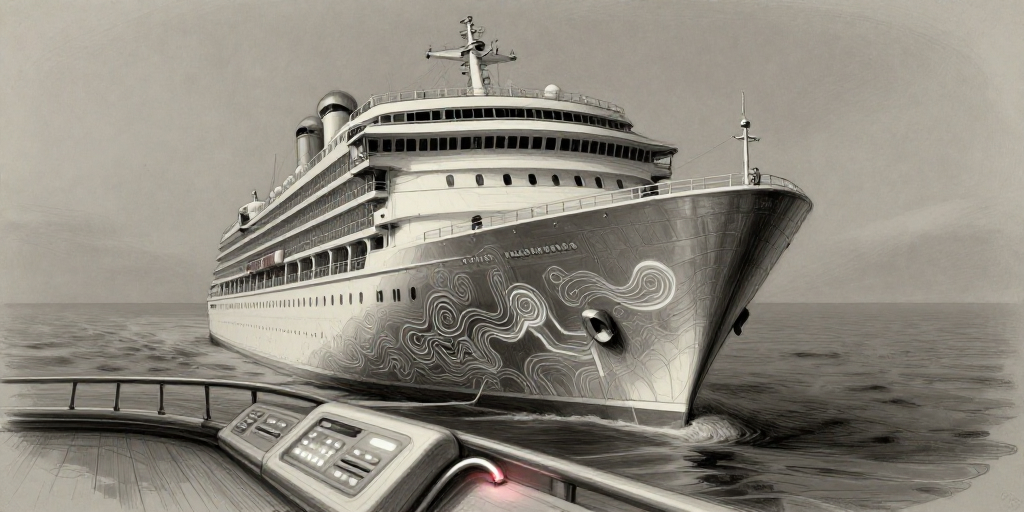
On the Splendor, one passenger died while snorkeling off Moreton Island, and the second was reported missing after falling over a railing and overboard. Despite coordinated rescue efforts involving aircraft and vessels, the second victim remains unaccounted for. Carnival confirmed both incidents through on‑board camera footage, yet the company has not yet deployed the Man‑Over‑Board Detection System (MOBS), a technology that could provide real‑time alerts to ship crews in the event of a passenger falling into the water.
The absence of such a system has amplified concerns among safety regulators, investors, and the traveling public. The company’s share price has slipped below its 200‑day moving average, reflecting a roughly 12 % decline since the start of the year. This price erosion underscores how operational incidents can quickly erode trust and translate into tangible capital costs, particularly in an industry where consumer confidence is paramount.
From a broader perspective, the maritime sector is witnessing a digital transformation that blends automated safety monitoring with traditional crew oversight. The MOBS and similar systems represent a growing trend toward “digital twins” of the ship environment—allowing for predictive analytics, rapid incident response, and data‑driven safety culture. For Carnival, the delay in adopting such technology poses a competitive disadvantage, as newer entrants and even legacy fleets are increasingly integrating these solutions to meet both regulatory demands and consumer expectations for transparency.
Aligning Consumer Experiences with Generation‑Specific Spending
Amid these safety concerns, Carnival is simultaneously restructuring its consumer engagement model. The existing VIFP Club loyalty scheme—based on the number of nights spent aboard Carnival ships—will be supplanted by Carnival Rewards on 1 September 2026. The new program will pivot toward rewarding onboard spending rather than nights, reflecting a shift in how different demographic cohorts value time versus experience.
The younger cohorts (Gen Z and Millennials) demonstrate a pronounced preference for spending on curated experiences rather than traditional hospitality metrics. By rewarding spend, Carnival acknowledges that these travelers are more likely to invest in dining, entertainment, and specialty excursions, thereby boosting ancillary revenue streams. The program also leverages data analytics to tailor offers, upsell high‑margin services, and create a more personalized journey that resonates with digitally native customers who expect seamless integration between on‑board activities and off‑shore social media engagement.
In addition to loyalty program changes, Carnival plans to launch Carnival Festivale in 2027. This themed festival concept will offer immersive, culturally relevant events that cater to diverse tastes—ranging from music and culinary showcases to wellness retreats—while ensuring that safety protocols meet the heightened expectations set by the Splendor incidents. By positioning Festivale as both a cultural celebration and a safety benchmark, Carnival can leverage the event to rebuild trust and attract a broader demographic spectrum.
Capitalizing on Digital‑Physical Retail Convergence
The intersection of digital transformation and physical retail is a fertile ground for consumer brands, and the cruise industry is no exception. Carnival’s new initiatives illustrate a broader industry trend: using data, technology, and experiential design to create a unified customer journey that extends beyond the ship’s hull.
- Data‑Driven Personalization – The loyalty program’s spend‑based metrics will feed into predictive models that anticipate guest preferences, enabling real‑time offers and dynamic pricing.
- Integrated Safety Analytics – Deploying MOBS and similar systems will generate real‑time data streams that can be analyzed for operational efficiency and communicated to passengers as a tangible safety guarantee.
- Omni‑Channel Engagement – Festivale and other events will be promoted through digital platforms that allow customers to pre‑book, customize, and share experiences, effectively blending physical entertainment with social media amplification.
These strategies collectively create new revenue avenues: ancillary sales, targeted advertising, and premium experiences that can be monetized both onboard and through partner ecosystems.
Forward‑Looking Opportunities
- Safety‑First Brand Positioning – By leading the adoption of MOBS across its fleet, Carnival can differentiate itself as a safety‑conscious leader, thereby attracting risk‑averse travelers and gaining regulatory goodwill.
- Experiential Upsell – The shift to spend‑based loyalty aligns with the rising trend of experiential luxury. Carnival can develop tiered experiences—such as concierge‑level excursions and exclusive ship‑board lounges—to capture higher margins.
- Cross‑Sector Synergies – Carnival’s parent company’s ongoing projects, such as the 2028 Cunard four‑queen gathering, can be leveraged to create cross‑portfolio experiences that appeal to affluent, safety‑conscious demographics.
- Digital Integration with Off‑Shore Retail – Partnerships with destination retailers, tourism boards, and digital marketplaces can extend the cruise experience beyond the vessel, creating a seamless off‑shore shopping and entertainment ecosystem that generates additional footfall and sales.
Conclusion
The Carnival Splendor incidents have illuminated critical vulnerabilities in the cruise industry’s safety protocols, yet they also catalyze a necessary evolution toward digitally empowered, customer‑centric operations. By reorienting its loyalty model, launching culturally resonant festivals, and investing in real‑time safety monitoring, Carnival Corporation is positioning itself to meet the dual demands of modern consumers: the desire for immersive, personalized experiences and the expectation of uncompromised safety. For investors and industry observers, the company’s ability to translate these societal shifts into tangible market opportunities will be a key indicator of its resilience and long‑term competitiveness.