
Carnival Corp Ltd’s Shift to Fully Digital Governance Mirrors Broader Retail and Consumer Goods Transformation
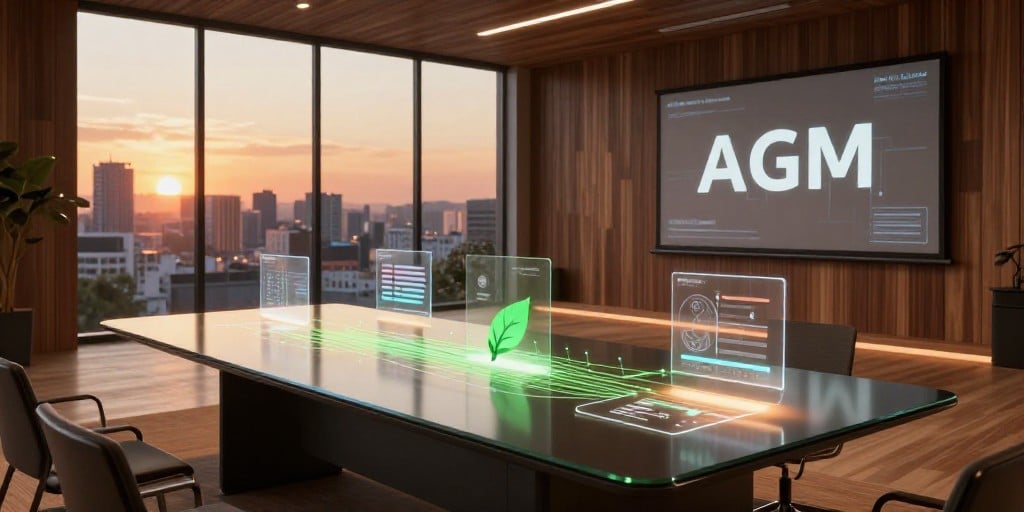
Carnival Corp Ltd announced that its 19th Annual General Meeting (AGM) will be conducted exclusively via video conference on 23 September 2026, with shareholders invited to participate remotely through an electronic voting platform. The company will distribute its annual report electronically to all members and will conduct the meeting in strict compliance with the Companies Act and SEBI listing regulations. Shareholders, whether holding dematerialised or physical shares, are encouraged to register their contact details with the appropriate depository or the company’s registered transfer agent to receive notices and to participate in the e‑voting process. All related documents and additional information will be posted on the company’s website and accessible through the BSE and NSDL portals.
While the AGM’s procedural details may appear routine, the move to a fully digital, remote meeting reflects a broader strategic alignment with prevailing trends across consumer goods, retail, and supply‑chain innovation. Below we examine how Carnival’s governance shift dovetails with short‑term market movements and the long‑term transformation of the industry.
1. Omnichannel Governance as a Microcosm of Omnichannel Retail
The transition to a virtual AGM exemplifies the omnichannel approach that has become indispensable in the consumer goods sector. Just as retailers now integrate physical stores, e‑commerce platforms, mobile apps, and social‑media channels to deliver a seamless customer experience, corporations are extending the omnichannel paradigm to shareholder engagement.
- Consumer‑Centric Engagement: Shareholders increasingly expect real‑time access to company information, mirroring consumers’ demand for instant product discovery and transparent supply chains.
- Data‑Driven Decision Making: The electronic voting platform allows the collection of granular engagement metrics—time spent on each agenda item, frequency of platform visits—that can inform future governance strategies.
- Cost Efficiency: Eliminating in‑person logistics (travel, venue, printed materials) reduces operational expenses, echoing the cost savings retailers achieve by streamlining offline and online operations.
2. Consumer Behavior Shifts and Corporate Transparency
Modern investors, like contemporary consumers, prioritize transparency and sustainability. Digital AGMs provide:
- Enhanced Accessibility: Remote participation removes geographic barriers, ensuring that a wider spectrum of shareholders can engage in the decision‑making process.
- Real‑Time Information Flow: Live streams and instant messaging features enable shareholders to pose questions and receive answers in near real‑time, fostering a more dynamic dialogue.
- Sustainability Messaging: By showcasing the company’s commitment to digital governance, Carnival signals alignment with ESG priorities that investors increasingly scrutinize.
This shift mirrors broader consumer behavior changes: a move toward digital self‑service, a demand for ethical sourcing, and a preference for brands that demonstrate accountability.
3. Supply‑Chain Innovations Reflected in Governance Structures
The adoption of an e‑voting platform underscores the importance of technology‑enabled efficiency in modern supply chains. Key parallels include:
- Digital Documentation: Just as blockchain and IoT are used to track provenance in the supply chain, digital platforms in corporate governance ensure audit trails, tamper‑proof records, and instant verification of shareholder participation.
- Resilience and Agility: In an era of global disruptions—pandemics, geopolitical tensions, climate events—digital governance tools enable rapid response to changing regulatory environments, akin to agile supply‑chain practices that pivot sourcing and logistics in real time.
- Data Integration: Aggregated voting data can be linked to broader market analytics, allowing leadership to align corporate strategy with consumer sentiment and supply‑chain performance metrics.
4. Cross‑Sector Patterns: From Consumer Goods to Financial Services
The convergence of digital governance and retail innovation is not confined to consumer goods. Financial services firms have long embraced remote board meetings and digital shareholder portals. The migration of such practices across sectors suggests:
- Industry‑Wide Standardization: A growing expectation that companies will provide digital avenues for stakeholder interaction, regardless of industry vertical.
- Competitive Differentiation: Firms that adopt advanced digital platforms early gain a reputational advantage, attracting tech‑savvy investors and consumers alike.
- Regulatory Momentum: Regulators are increasingly mandating digital disclosures and electronic voting, reinforcing the trend toward a unified, transparent corporate ecosystem.
5. Short‑Term Market Movements and Long‑Term Industry Transformation
In the immediate term, Carnival’s digital AGM may:
- Boost Shareholder Participation: By lowering friction points, the company may see higher voter turnout, potentially stabilizing shareholder sentiment in a volatile market.
- Signal Technological Maturity: Positive reception can elevate the firm’s valuation relative to peers who lag in digital governance adoption.
Over the long haul, however, the strategic implications are deeper:
- Reshaping Investor Expectations: As digital AGMs become standard, investors will increasingly view technological sophistication as a core valuation metric, analogous to how retail brands assess omni‑presence.
- Catalyzing Innovation Cycles: Digital governance fosters a culture of continuous improvement, encouraging the integration of AI, predictive analytics, and blockchain in corporate decision‑making.
- Accelerating ESG Integration: Transparent, real‑time reporting of corporate actions—including supply‑chain sustainability metrics—aligns with evolving ESG frameworks, positioning firms for future regulatory compliance and investor appeal.
6. Conclusion
Carnival Corp Ltd’s decision to conduct its 19th Annual General Meeting exclusively through a video‑conferenced, e‑voting platform is more than a procedural update; it is a strategic alignment with the evolving dynamics of consumer goods and retail. By embracing omnichannel engagement, transparent governance, and digital supply‑chain parallels, the company is positioning itself at the forefront of a broader industry transformation. This shift illustrates how short‑term operational decisions—such as virtual AGMs—can reverberate across corporate culture, investor relations, and market positioning, ultimately contributing to sustainable, long‑term growth in an increasingly digital world.