Corporate News
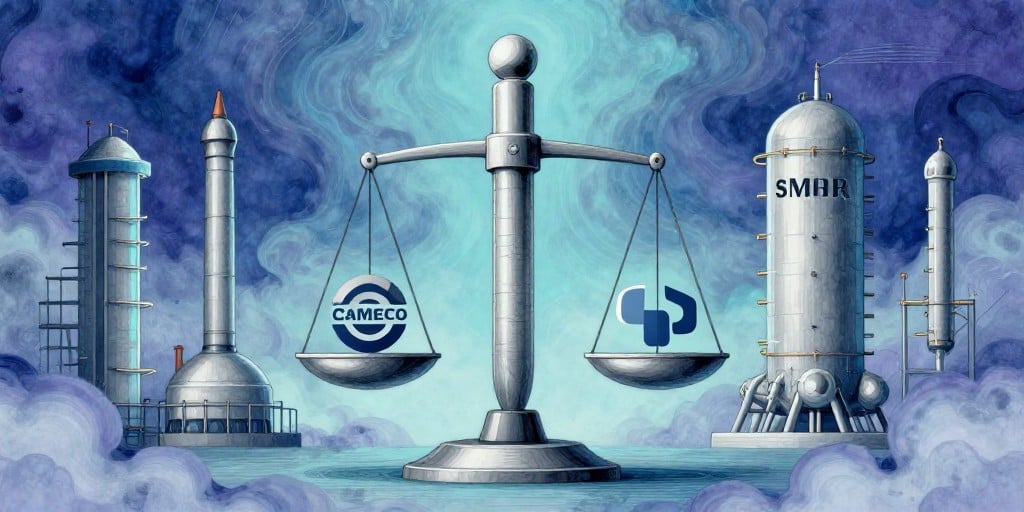
Cameco Corp. is scheduled to release its financial results for the quarter ended 30 September 2026 on 30 October 2026. The company’s latest guidance and market expectations illustrate how the uranium sector is responding to a confluence of macro‑economic and energy‑policy drivers.
Earnings Outlook
Analysts forecast modest earnings‑per‑share (EPS) growth for the reporting period, projecting an EPS of roughly $0.33 Canadian dollars—an improvement over the flat figure of $0.28 reported for the same quarter in 2025. While the quarterly EPS increase is modest, the company’s full‑year guidance paints a more upbeat picture. The fiscal‑year EPS is projected to reach $1.50 Canadian dollars, with revenue expected near $3.0 billion Canadian dollars, representing a ~20 % year‑on‑year increase.
Drivers of Revenue Growth
The revenue lift is largely attributed to the expanding global demand for uranium, which is being fueled by two key sectors:
Nuclear Generation – Governments in North America, Europe, and parts of Asia continue to emphasize low‑carbon power generation. The phase‑out of coal and the push for decarbonisation have led to renewed investment in nuclear plants, which in turn drives uranium consumption.
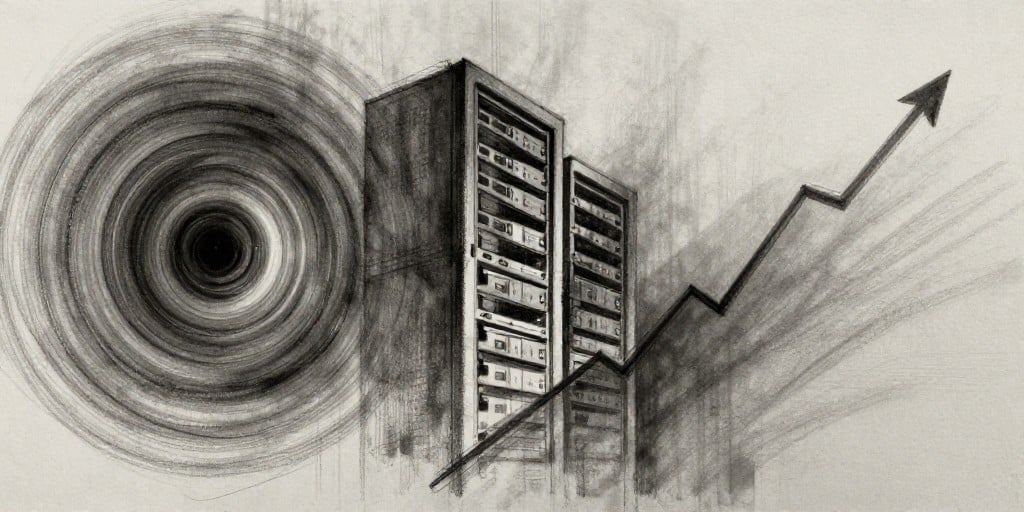
Data‑Centre Operations – The exponential growth of cloud computing, artificial intelligence, and edge‑computing infrastructure has increased the power demand of data‑centres worldwide. Many operators are opting for nuclear‑powered facilities to meet stringent carbon‑emission targets, thereby boosting uranium demand indirectly.
The company’s guidance reflects a sustained upward trajectory in uranium prices and the expectation that these two macro‑drivers will continue to exert upward pressure on demand.
Market‑Wide Volatility and Short‑Term Risks
Cameco’s management notes that price and equity market volatility can still influence short‑term performance. The uranium market is known for its cyclical nature, often reacting swiftly to policy shifts, geopolitical events, and shifts in supply‑side dynamics such as new mine development or production cuts by competitors. Additionally, the company’s share price has historically been sensitive to global risk sentiment, which can lead to temporary deviations from earnings fundamentals.
Sector Context and Competitive Landscape
In the broader mining landscape, Cameo competes with a mix of vertically integrated uranium producers and smaller, commodity‑focused firms. While the company’s production costs and operating efficiencies remain competitive, its strategic focus on long‑term contracts with utilities and data‑centre operators positions it favorably against rivals that rely more heavily on spot‑market sales.
The global nuclear renaissance trend, supported by increased energy security concerns and a pivot to low‑carbon sources, creates a tailwind for uranium producers. However, the sector must also contend with policy uncertainty—particularly around nuclear waste management and public perception—and technological disruption such as the potential of fusion or advanced reactors that may alter future demand profiles.
Conclusion
Cameco Corp.’s forthcoming quarterly results will provide further clarity on how the company is capitalising on rising uranium demand driven by nuclear expansion and data‑centre energy needs. While the forecasted earnings growth is modest on a quarterly basis, the projected revenue increase and full‑year EPS outlook suggest a positive trajectory. Investors and industry observers will closely monitor how market volatility and broader economic factors influence the company’s performance in the coming months.