Corporate Analysis: Bolloré SE’s Dual‑Sector Strategy
Bolloré SE continues to consolidate its standing within the logistics and media sectors, reinforcing its reputation as a stable, diversified entity. Recent commentary highlights the company’s focus on strengthening core operations while exploring opportunities for further growth. Market observers note that the firm’s strategy revolves around leveraging its existing infrastructure and expanding its service offerings, which could enhance resilience in a dynamic economic environment.
Analysts underscore that Bolloré SE’s integrated approach, spanning transportation, warehousing, and digital media, positions it to benefit from evolving supply‑chain demands and content consumption trends. Despite broader market volatility, the company’s consistent emphasis on operational efficiency and strategic investments suggests a measured path forward. Investors and stakeholders are advised to monitor how Bolloré SE balances its traditional logistics expertise with the evolving media landscape, as this dual focus is likely to influence its long‑term performance.
1. Consolidation of Core Logistics Operations
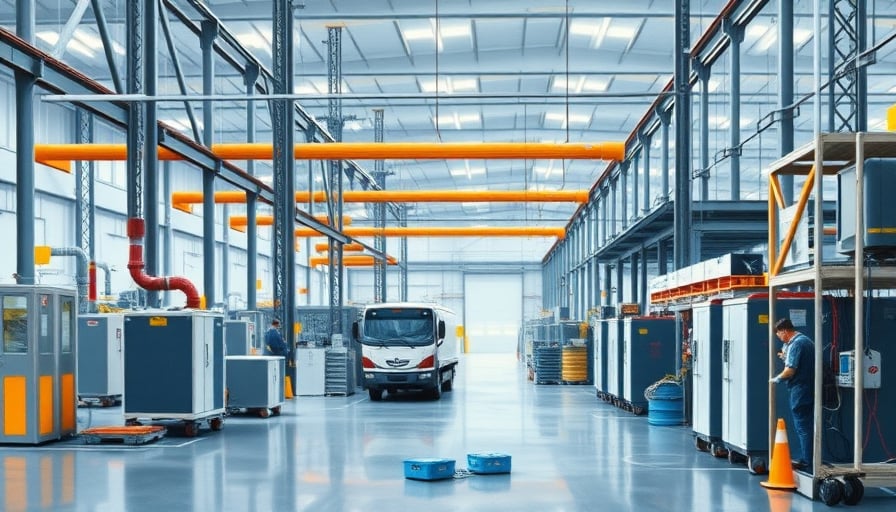
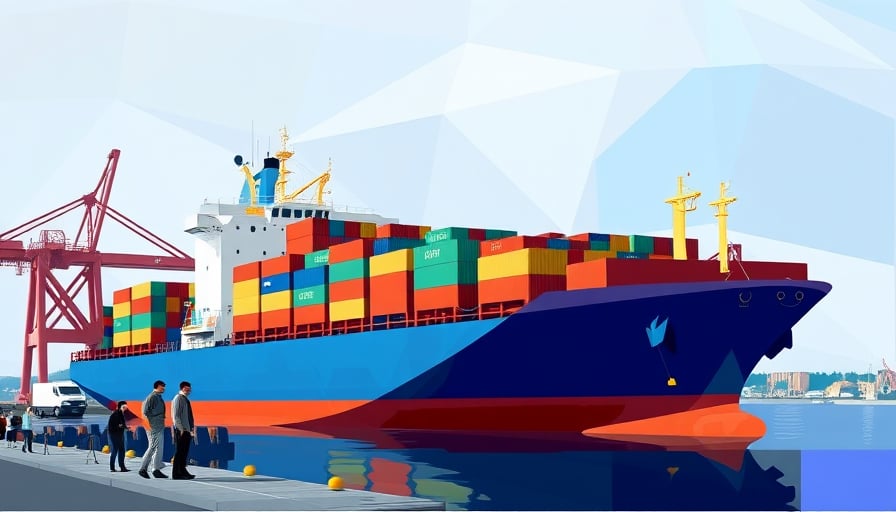
Bolloré SE’s logistics arm remains the cornerstone of its revenue base, offering end‑to‑end transportation services across multiple modes—road, rail, air, and sea. The firm’s extensive network, underpinned by a fleet of over 15,000 vehicles and more than 300,000 square meters of warehousing space, has enabled it to maintain high utilization rates even amid fluctuating freight volumes. Recent capital expenditures have focused on digitizing asset tracking, implementing AI‑driven route optimization, and upgrading cold‑chain facilities to meet the growing demand for perishable goods in emerging markets.
Strategic partnerships with global shippers have also been reinforced. By integrating advanced telematics and IoT sensors, Bolloré SE can offer real‑time visibility to clients, a key competitive differentiator in an industry where transparency and speed are increasingly valued. These investments also enhance operational resilience, allowing the company to pivot quickly during disruptions such as port congestion or regulatory changes.
2. Expansion into Digital Media
Parallel to its logistics footprint, Bolloré SE has accelerated its presence in digital media, acquiring stakes in several online content platforms and launching its own proprietary advertising network. The media portfolio, while smaller in scale than logistics, has shown rapid growth in revenue and audience engagement metrics. The firm’s approach leverages its existing data infrastructure—collected from logistics operations—to inform targeted content distribution and personalized advertising, thereby creating cross‑sector synergies.
In a broader context, the rise of e‑commerce has amplified the need for integrated supply‑chain visibility and digital customer engagement. Bolloré SE’s dual focus allows it to capture value across the entire value chain, from product movement to consumer interaction. Analysts note that this positioning could unlock new revenue streams, such as bundled logistics‑media packages for retailers seeking to streamline operations and marketing simultaneously.
3. Market Drivers and Competitive Positioning
The logistics sector continues to be shaped by global trade patterns, trade‑policy shifts, and the increasing importance of sustainability. Bolloré SE’s commitment to green logistics—evidenced by a 10% reduction in fleet emissions over the past five years—aligns with regulatory pressures and consumer expectations. This focus not only differentiates the company from competitors but also positions it to capture market share in the growing “green freight” niche.
In the media domain, the convergence of data analytics, artificial intelligence, and content personalization drives demand for sophisticated advertising solutions. Bolloré SE’s existing data assets and analytics capabilities give it an advantage over traditional media companies that lack exposure to logistics data streams. By integrating freight‑movement data with consumer behavior analytics, the firm can provide advertisers with actionable insights, thereby enhancing the relevance and effectiveness of campaigns.
4. Economic Context and Resilience
Macroeconomic indicators—such as GDP growth rates in key emerging markets, inflation dynamics, and commodity prices—directly impact freight volumes and advertising spend. Bolloré SE’s diversified revenue mix mitigates exposure to any single economic cycle. During periods of trade slowdown, the firm’s logistics services may see modest contraction, but its media operations can offset losses through increased digital advertising demand.
Moreover, the company’s disciplined capital allocation strategy—prioritizing high‑return projects and maintaining healthy liquidity—provides a buffer against market volatility. Investors should watch for continued investment in digital infrastructure and sustainability initiatives, as these are likely to reinforce Bolloré SE’s long‑term competitive advantage.
5. Outlook for Stakeholders
The confluence of logistics and media presents both opportunities and risks. For stakeholders, the key questions revolve around:
- Integration Effectiveness: How will Bolloré SE continue to integrate data and operational insights across sectors to create value‑added services?
- Scalability of Media Ventures: Will the company’s media portfolio achieve economies of scale comparable to its logistics operations, or remain a niche complementary asset?
- Regulatory Compliance: How will evolving data protection laws affect cross‑sector data usage and advertising practices?
- Sustainability Commitment: To what extent will environmental initiatives influence cost structures and regulatory compliance in logistics?
Maintaining a balanced approach—fortifying core logistics capabilities while scaling media operations—appears to be the company’s strategic imperative. By leveraging its infrastructure, data assets, and operational expertise, Bolloré SE is positioned to navigate the interdependencies of supply‑chain dynamics and digital content consumption, thereby sustaining long‑term performance amid an evolving economic landscape.