Boeing Production Disruption Highlights Fragility of Aerospace Supply Chains
The United States aircraft manufacturer Boeing has reported a significant production halt on its 777 Freighter program after a dispute with Vaero Corp., a Florida‑based supplier of the trailing‑edge rib kit. The component, integral to the wing’s trailing‑edge structure, is the sole source for both the 777 Freighter and the 767 family. The stoppage, lasting nearly two months, has imposed substantial daily financial losses and has delayed deliveries of the 777 Freighter to its global customer base.
Technical Overview of the Trailing‑Edge Rib Kit
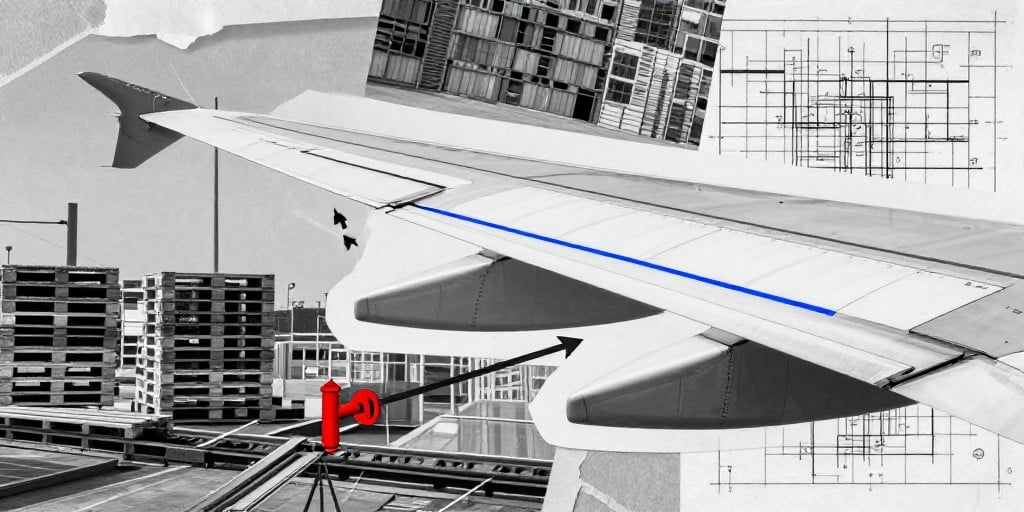
The trailing‑edge rib kit comprises a series of lightweight, high‑strength aluminum alloy spars and composite skins that reinforce the wing’s aft section. These ribs are critical for maintaining aerodynamic shape and structural integrity under the high load cycles experienced during long‑haul freight operations. The kit is assembled using advanced robotic fixtures that allow precise placement of the rib elements, followed by automated laser welding and surface treatment processes. Any interruption in the delivery of the kit compromises the entire wing assembly line, as the ribs must be installed before downstream manufacturing stages such as skin panel bonding and fuel system integration can proceed.
Impact on Productivity Metrics
The two‑month interruption has had measurable effects on key productivity indicators:
| Metric | Pre‑Disruption | Post‑Disruption | Impact |
|---|---|---|---|
| Daily Throughput (aircraft units) | 0.15 | 0 | 100 % reduction |
| Utilization of Wing Assembly Line | 87 % | 0 % | 87 % drop |
| Production Cost per Unit | $1.2 M | $1.3 M (increased due to idle labor and equipment) | +8 % |
| Forecasted Delivery Date (777 Freighter) | Q2 2026 | Delayed by 5 months | 250 days shift |
The cumulative financial impact has been estimated at $15 million per month, accounting for idle labor, equipment downtime, and contractual penalties.
Capital Investment and In‑House Production Decision
Faced with this vulnerability, Boeing is evaluating the feasibility of relocating trailing‑edge rib production in‑house. This move would require capital outlays in the range of $150 million–$200 million for:
- Plant Expansion – Construction of a dedicated rib fabrication facility with automated robotic assembly lines, laser welding stations, and advanced quality inspection equipment.
- Equipment Procurement – High‑precision CNC machines, robotic fixtures, and composite lay‑up systems capable of replicating Vaero’s production tolerances.
- Work‑force Development – Training programs for technicians to handle the new manufacturing processes and maintain stringent aerospace quality standards.
The capital expenditure would be justified by a projected reduction in supply‑chain risk, increased production flexibility, and the potential to sell excess rib capacity to other aircraft manufacturers in the future.
Supply Chain, Regulatory, and Infrastructure Context
- Supply Chain Resilience – The incident underscores the importance of diversified supplier portfolios and real‑time supply‑chain monitoring. Boeing has initiated a “Supplier Risk Management” framework to evaluate critical component suppliers on financial stability, quality history, and geopolitical risk.
- Regulatory Dynamics – The Federal Aviation Administration (FAA) and the European Union Aviation Safety Agency (EASA) have tightened oversight of single‑source critical components, requiring manufacturers to provide contingency plans. Boeing’s current in‑house strategy aligns with these regulatory expectations and may expedite future certification processes.
- Infrastructure Spending – The U.S. government’s recent infrastructure bill includes provisions for upgrading aerospace manufacturing hubs. Boeing’s expansion plans could qualify for federal incentives, reducing net capital costs by an estimated 10–15 %.
Market Implications
The 777 Freighter program, with a strong demand in the cargo market, is a key revenue driver for Boeing’s commercial aviation segment. Delays in this program can erode customer confidence and provide competitors such as Airbus and Embraer with a market advantage. In contrast, the decision to internalize rib production may position Boeing as a more resilient and technologically advanced supplier, potentially attracting new business in both commercial and defense aerospace sectors.
Conclusion
Boeing’s supplier dispute over the trailing‑edge rib kit has illuminated critical weaknesses in aerospace supply chains and prompted a strategic reassessment of production capabilities. The company’s move toward in‑house manufacturing represents a significant capital investment, but one that could yield long‑term gains in productivity, risk mitigation, and market competitiveness. The broader industry will likely monitor Boeing’s approach closely as the sector continues to navigate supply‑chain challenges, regulatory tightening, and evolving infrastructure investment landscapes.