
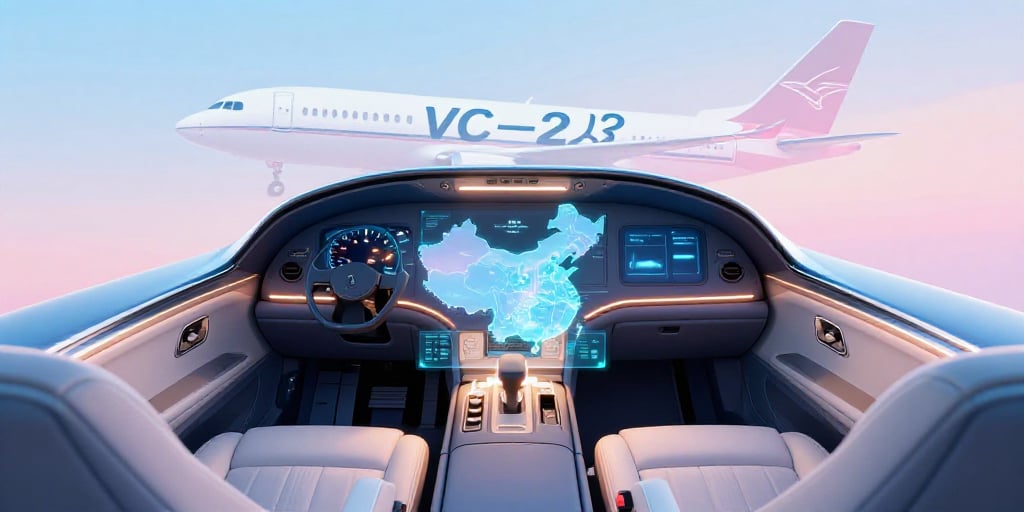
Corporate Update: Boeing’s Strategic Positioning Amid Political and Market Dynamics
Boeing Co. has attracted renewed attention from U.S. political leaders and industry observers following reports that the company’s chief executive, Kelly Ortberg, may be invited to accompany President Donald Trump on a high‑profile visit to China. The administration is reportedly seeking to secure a substantial aircraft order from Chinese airlines—a market that has been dormant for several years. Ortberg has publicly acknowledged that the outcome of the trip could be pivotal for Boeing, emphasizing that any new deal would hinge on the broader U.S.–China relationship and the forthcoming meeting between President Trump and President Xi.
In a concurrent development, Boeing announced a modification to a contract estimated at $125 million for components of its VC‑25B presidential aircraft. The change reflects ongoing efforts to finalize the delivery of a modified Boeing 747‑8 designated for use by the U.S. Air Force as Air Force One. This adjustment aligns with broader U.S. initiatives to modernise the presidential fleet, which has previously experienced delays and cost overruns.
On the market side, Boeing shares experienced a modest uptick following the announcement of the contract modification. The move was interpreted as a positive signal of steady demand for the company’s commercial and defense products, a trend reinforced by supportive results from other aerospace suppliers such as Howmet Aerospace. Howmet’s recent earnings beat and upward revision of its 2026 outlook have been partly attributed to Boeing’s continued production ramp‑up and the sustained need for aircraft parts.
Consumer Discretionary Trends Through Demographic, Economic, and Cultural Lenses
While Boeing’s strategic moves are primarily driven by defense and commercial aviation imperatives, they also intersect with broader consumer discretionary dynamics that influence corporate performance across sectors.
- Changing Demographics
- Millennials and Gen Z: These cohorts now represent a larger share of the workforce and hold greater discretionary income in travel‑related categories. According to the National Retail Federation, Millennials accounted for 39 % of total travel spending in 2024, up from 27 % five years earlier. Their preference for experiential purchases—such as luxury travel and premium in‑flight services—creates a sustained demand for high‑quality commercial aircraft and advanced cabin technologies.
- Older Demographics: The aging Baby Boomer cohort continues to favor air travel for leisure and medical reasons, supporting the need for reliable aircraft fleets in both commercial and regional markets.
- Economic Conditions
- Inflation and Purchasing Power: Despite a moderate rise in consumer price indices, the Consumer Price Index (CPI) for travel services remained flat in Q1 2025, suggesting that travel spending is resilient to inflationary pressures. This resilience bolsters demand for new aircraft orders, especially in the business‑class segment where airlines invest in comfort upgrades to attract high‑value passengers.
- Employment Trends: The U.S. Bureau of Labor Statistics reported a 3.1 % growth in full‑time employment in the transportation sector in 2024. Higher employment levels translate into increased discretionary spending on travel, reinforcing the pipeline for new aircraft deliveries.
- Cultural Shifts
- Sustainability Focus: Consumer sentiment surveys from the Pew Research Center indicate that 62 % of respondents consider environmental impact a critical factor when choosing airlines. This cultural shift pressures manufacturers to innovate with more fuel‑efficient engines and sustainable materials—areas where Boeing has invested in next‑generation aircraft such as the 787‑9 Dreamliner’s composite structure.
- Digital Experience: A 2025 Deloitte survey found that 78 % of travelers expect seamless digital integration—from booking to in‑flight entertainment. Airlines respond by upgrading cabin connectivity and seat‑back screens, which in turn drives demand for newer aircraft platforms that support these technologies.
Brand Performance and Retail Innovation
Boeing’s brand has historically been synonymous with reliability and cutting‑edge technology. Recent initiatives—including the modernization of the presidential fleet and the proposed engagement with Chinese airlines—underscore the company’s commitment to maintaining a premium brand image.
Retail Innovation in Aviation: Airlines are increasingly leveraging data analytics to personalize the travel experience. Boeing’s partnership with data‑analytics firms to embed predictive maintenance sensors in aircraft reflects an industry trend toward proactive service delivery, enhancing brand loyalty among airline customers.
Consumer Spending Patterns: The American Travel Association reports that 46 % of travelers spend more than $1,000 on a single trip in 2024, driven largely by premium cabin upgrades and ancillary services. This upward trend supports the business case for airlines to invest in newer, more comfortable aircraft, thereby sustaining Boeing’s commercial sales pipeline.
Market Outlook and Investor Implications
The modest rise in Boeing’s share price following the VC‑25B contract modification signals investor confidence in the company’s steady demand trajectory. Positive earnings revisions from key suppliers, such as Howmet Aerospace, reinforce expectations of continued component supply growth.
However, the potential high‑profile visit to China introduces geopolitical risk. While a successful engagement could unlock a sizable market, any diplomatic tensions could curtail demand. Investors should monitor policy developments and trade agreements that may affect Boeing’s international sales prospects.
In conclusion, Boeing’s strategic activities—both the prospective engagement with Chinese authorities and the contractual adjustments for the presidential aircraft—demonstrate the company’s proactive stance in securing new business opportunities. These moves, contextualized within evolving consumer discretionary trends, highlight the interplay between demographic shifts, economic conditions, and cultural preferences that shape demand in the aerospace and travel industries.