
Corporate News Analysis: BHP Group Ltd.’s Strategic Focus on Sustainability and Market Dynamics
BHP Group Ltd. has reaffirmed its strategic emphasis on a core metals portfolio while actively pursuing sustainability initiatives that align with global decarbonisation efforts. Recent developments illustrate the company’s commitment to environmental stewardship, operational transparency, and responsive market positioning.
Global Decarbonisation Collaboration
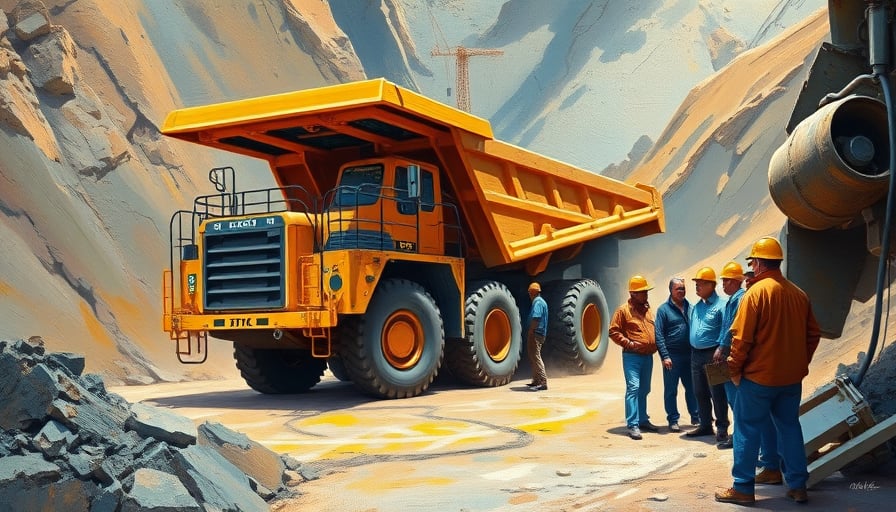
A joint initiative led by BHP, Rio Tinto, and Vale has identified eight technology providers capable of advancing electric haul truck solutions for mining operations. This collaborative effort underscores several key industry trends:
- Technological Standardisation – By converging on a shortlist of suppliers, the consortium seeks to accelerate deployment of proven technologies, reducing fragmentation across the sector.
- Cost‑Efficiency Gains – Electric haul trucks promise lower fuel costs and reduced maintenance expenditures, translating into long‑term operating‑cost advantages.
- Regulatory Alignment – The partnership positions participating companies to meet increasingly stringent emissions regulations in key markets such as the EU and the United States.
- Supply‑Chain Resilience – Diversifying technology sources mitigates risks associated with single‑vendor dependencies, particularly for critical components like batteries and power electronics.
BHP’s role as a leading advocate for this collaboration signals a broader industry shift toward integrating low‑carbon solutions into core operations, reinforcing the company’s competitive positioning against peers that have yet to commit to similar initiatives.
Domestic Operational Transparency
In the Australian market, BHP issued a blast notification regarding its Mt Arthur coal asset. While a routine regulatory update, the communication serves multiple strategic purposes:
- Regulatory Compliance – Public disclosure of blasting activities demonstrates adherence to safety and environmental standards, mitigating legal and reputational risk.
- Stakeholder Communication – Transparent reporting fosters trust with local communities and investors, reinforcing BHP’s reputation as a responsible resource producer.
- Operational Oversight – Routine notifications enable internal monitoring of mine safety metrics, facilitating continuous improvement of operational protocols.
The blast notification aligns with BHP’s broader operational framework, wherein safety and regulatory compliance are integral to sustaining long‑term production capacity.
Market Sentiment and Investor Response
Analysts and investors monitoring the Australian share market have noted a general steadiness in mining equities after a brief early‑day rally. Several macro‑economic and sector‑specific factors contribute to this muted volatility:
- Commodity Price Stability – While iron ore and copper prices remain supportive, volatility in the coal sector, particularly from the Mt Arthur asset, tempers overall market enthusiasm.
- Geopolitical Uncertainty – Ongoing trade tensions and regulatory changes in key export destinations dampen risk‑tolerant investor behaviour.
- Earnings Season Dynamics – The proximity to earnings releases encourages conservative positioning, as market participants await updated guidance from major mining companies.
Simultaneously, broader Asian markets have remained cautious, characterised by thin trading volumes and limited new corporate disclosures at year‑end. The subdued activity suggests a cautious appetite for risk amid potential macro‑economic headwinds, including inflationary pressures and shifting monetary policy stances.
Strategic Implications for BHP
The convergence of sustainability initiatives, regulatory compliance, and market sentiment positions BHP in a favourable competitive niche:
- Differentiated Value Proposition – The company’s active participation in decarbonisation projects differentiates it from peers that lag in low‑carbon investments.
- Operational Resilience – Transparent communication regarding mining operations strengthens stakeholder confidence and reduces potential for regulatory disruption.
- Capital Allocation Discipline – Maintaining a core metals portfolio while selectively investing in cleaner technologies demonstrates prudent capital allocation, balancing short‑term profitability with long‑term growth.
These factors collectively reinforce BHP’s capacity to navigate both the immediate operational landscape and the broader economic environment, thereby sustaining shareholder value amid evolving industry dynamics.