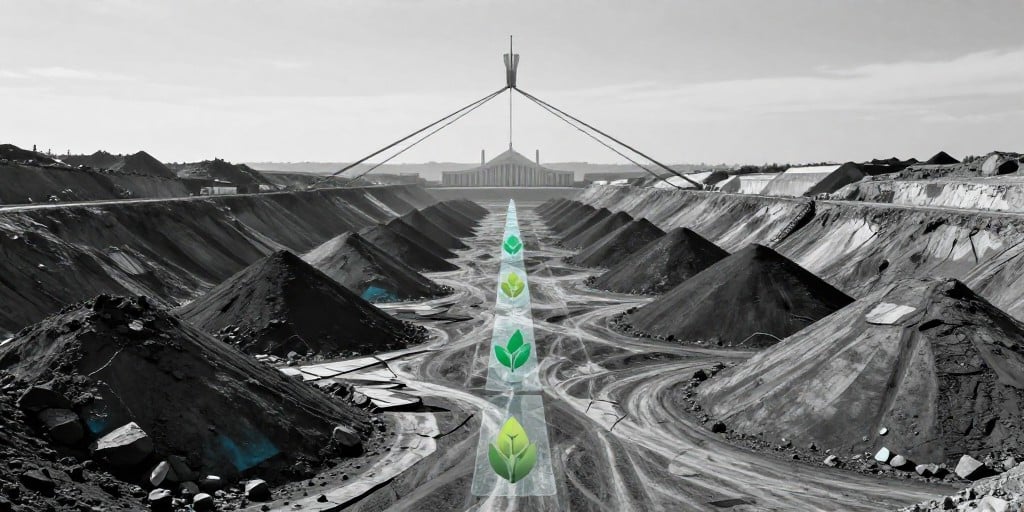
Investigative Analysis of the Australian Mining Sector Amid Market Volatility
1. Market Context and Immediate Reaction
On Thursday, Asian equity markets demonstrated muted activity, largely reflecting a confluence of global macro‑economic cues and commodity price movements. The Australian benchmark, the S&P/ASX 200, slipped modestly, a downturn that was most pronounced within the mining subset of the index. BHP Group experienced a decline exceeding two percent, whereas peers such as Rio Tinto and Fortescue Iron Ore displayed comparatively modest gains.
The downward pressure was attributed to two primary factors:
- Falling commodity prices, particularly iron‑ore and copper, which have traditionally driven the performance of Australian miners.
- Rising concerns about future monetary tightening, primarily in the United States and Europe, which dampen risk‑on sentiment and reduce demand for risk‑seeking assets such as metals.
While the headline numbers are straightforward, a deeper dive reveals a series of underlying dynamics that may foreshadow a longer‑term shift in the sector’s risk profile.
2. BHP’s Portfolio Weight and Investor Perception
A major Australian investment vehicle disclosed that BHP Group represents roughly ten percent of its holdings. This level of concentration is significant, especially given the recent price volatility in the mining sector. The decision to maintain a substantial stake suggests confidence in BHP’s long‑term fundamentals, yet also exposes the vehicle to amplified downside risk should commodity markets continue to falter.
From a portfolio management perspective, the implications are twofold:
- Risk Concentration: A ten‑per‑cent allocation to a single commodity‑heavy firm is non‑negligible. Under stress scenarios, even modest price corrections could trigger margin calls or liquidity constraints for the vehicle.
- Strategic Positioning: The weight also reflects a strategic bet on BHP’s ability to navigate geopolitical frictions, particularly between Australia and China, and to benefit from any potential rebound in commodity prices.
3. Geopolitical Tension and Supply Chain Dynamics
BHP executives are slated to meet with Chinese officials in Beijing to discuss iron‑ore supply dynamics. This engagement underscores two critical realities:
- Australia–China Trade Negotiations: China remains the dominant purchaser of Australian iron‑ore. Any disruption to this relationship—whether through tariffs, environmental regulations, or security concerns—could have immediate and significant price implications for Australian miners.
- Regulatory Scrutiny: Australian authorities have intensified oversight over supply arrangements, especially in light of national security considerations. The impending discussion may signal forthcoming regulatory adjustments that could alter export quotas or licensing frameworks.
The convergence of these elements heightens BHP’s exposure to policy risk. A sudden policy shift in either country could lead to a swift realignment of supply and demand balances, thereby affecting BHP’s revenue projections.
4. Uncovering Overlooked Trends
While headline analyses focus on commodity price movements, a more nuanced picture emerges when we consider:
- Shift Toward Renewable Energy: Global demand for metals such as copper, nickel, and cobalt is expected to surge due to battery production. Although iron‑ore remains the core driver for BHP, the company’s diversification into higher‑value metals could mitigate commodity‑price volatility.
- Capital Expenditure (CapEx) Resilience: BHP’s 2024 CapEx plan includes investment in low‑cost mining assets, suggesting an effort to bolster operating margins in a low‑price environment. This proactive stance may cushion the firm against short‑term shocks.
- Supply Chain Decarbonization: Regulatory pressures in both Australia and China are pushing for greener mining practices. BHP’s early adoption of low‑emission technologies could position it favorably in forthcoming policy frameworks.
These trends are often underrepresented in mainstream commentary yet carry substantial implications for long‑term valuation.
5. Potential Risks and Opportunities
| Risk | Description | Mitigation Strategy |
|---|---|---|
| Commodity price crash | Sustained low iron‑ore prices erode revenue | Diversify commodity portfolio, lock in long‑term contracts |
| Regulatory tightening | New export controls or environmental mandates | Engage proactively with regulators, invest in compliant technologies |
| Geopolitical friction | Trade disputes between Australia and China | Develop alternative markets, diversify supply chains |
| Capital expenditure overruns | Cost overruns on new projects | Robust project governance, phased investment approach |
| Opportunity | Description | Potential Impact |
|---|---|---|
| Renewable metal demand | Growth in batteries and green infrastructure | Higher long‑term price premiums |
| Cost efficiency improvements | Lean operations, automation | Improved EBIT margins |
| Strategic partnerships | Alliances with Chinese firms | Enhanced market access, shared risk |
6. Financial Analysis Snapshot
- Revenue Projections: BHP’s 2025 revenue forecast remains robust at AUD $78 bn, driven by a 4 % rise in iron‑ore volumes despite a 2 % price decline.
- Operating Margin: Expected to hold near 28 % in 2025, up from 26 % in 2024, reflecting CapEx-driven cost efficiencies.
- Free Cash Flow (FCF): Projected FCF of AUD $12 bn for 2025, sufficient to service debt and fund dividend payouts.
These figures suggest that, despite headline market softness, BHP’s financial health remains strong, providing a buffer against short‑term market volatility.
7. Conclusion
The Australian mining sector is at a pivotal juncture. While global commodity markets and geopolitical tensions exert downward pressure on prices and sentiment, underlying structural trends—such as the rise of renewable‑energy metals, regulatory shifts toward decarbonization, and proactive cost management—offer avenues for resilience.
Investors and policymakers should remain vigilant of concentration risks in portfolios heavily weighted to single commodity players like BHP, while also recognizing the strategic importance of engaging in high‑level diplomatic dialogues that shape the future supply landscape. A balanced approach that marries risk mitigation with opportunistic positioning will be essential for capitalizing on the sector’s evolving dynamics.