Corporate Overview
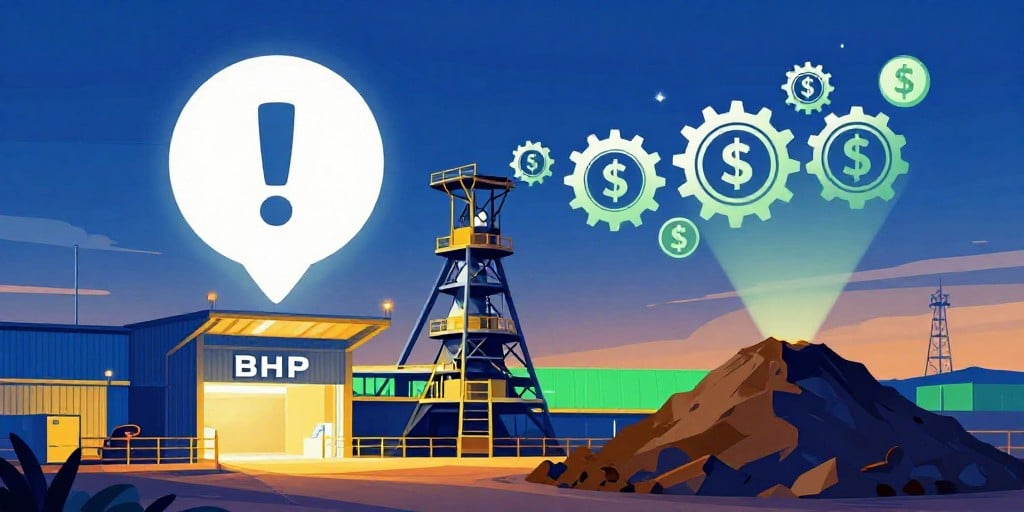
BHP Group Ltd. is currently navigating a confluence of operational challenges and market dynamics that are shaping its short‑term outlook. The company’s flagship Escondida copper mine in Chile—a key contributor to BHP’s global copper output—has entered a critical stage of labour negotiations. Simultaneously, BHP’s share price has exhibited modest pressure amid broader equity volatility and recent commentary from U.S. monetary authorities. Despite these headwinds, the firm’s copper‑producing operations in other regions have shown resilience, offering potential offsetting effects. In parallel, Rio Tinto Group has maintained steady copper output while expanding iron‑ore sales, underscoring sectoral trends that may influence investor sentiment towards major copper producers.
Labour Negotiations at Escondida
- Negotiation Status: The supervisors’ union representing a sizeable proportion of the workforce has declared that wage talks have collapsed. A strike is anticipated if an agreement is not reached before the end of the day.
- Company Response: BHP has issued a revised offer that addresses some union concerns. Key divergences persist, particularly regarding bonus structures and performance‑based incentives.
- Operational Impact: A potential stoppage would disrupt copper production at Escondida, a facility that accounts for a significant share of BHP’s output. This risk is compounded by the mine’s strategic importance in the global copper supply chain.
Share Price Performance and Market Context
- Recent Price Movement: BHP’s share price has trended modestly downward in recent trading sessions.
- Drivers of Decline: The decline is partially attributable to broader market volatility, including weaker Australian equities and the impact of recent interest‑rate commentary from U.S. officials.
- Offsetting Factors: Copper‑producing operations in other locations have reported stable or slightly improved output figures, which may help mitigate the potential impact of the Chilean strike.
Sectoral Dynamics and Competitive Positioning
- Demand Exposure: BHP’s exposure to copper demand from data‑centre and renewable‑energy sectors could provide a cushion if supply disruptions intensify. The growing emphasis on electric vehicles, energy storage, and 5G infrastructure reinforces this demand side.
- Rio Tinto’s Parallel Performance: Rio Tinto Group has maintained steady copper production while its iron‑ore sales have risen modestly. The company’s focus on high‑grade mines—including operations in Mongolia and Guinea—illustrates a strategy to manage supply constraints while benefiting from price movements.
- Industry‑Wide Risk: The collective activity in the Australian and Chilean mining sectors highlights heightened operational risk and supply‑side uncertainty, potentially influencing investor sentiment toward major copper producers such as BHP.
Economic and Broader Market Implications
- Interest‑Rate Environment: U.S. officials’ recent commentary on tightening monetary policy has contributed to equity sell‑offs and increased risk‑aversion among investors.
- Commodity Price Trends: Copper prices have remained volatile, influenced by macroeconomic signals and geopolitical developments. BHP’s cost structure and capital allocation decisions are closely tied to these price dynamics.
- Strategic Adaptation: BHP’s ability to navigate labour disputes, manage operational resilience across multiple mine sites, and maintain a diversified portfolio of copper and other commodities will be critical in sustaining its competitive positioning amid fluctuating market conditions.
Outlook
BHP faces a complex blend of labour, operational, and market pressures. While the potential strike at Escondida poses an immediate risk to copper output, the company’s broader operational footprint and exposure to high‑growth sectors may provide resilience. Market participants will continue to monitor the labour negotiations, share‑price trends, and commodity price movements closely, as these factors collectively inform BHP’s strategic trajectory and valuation dynamics.