
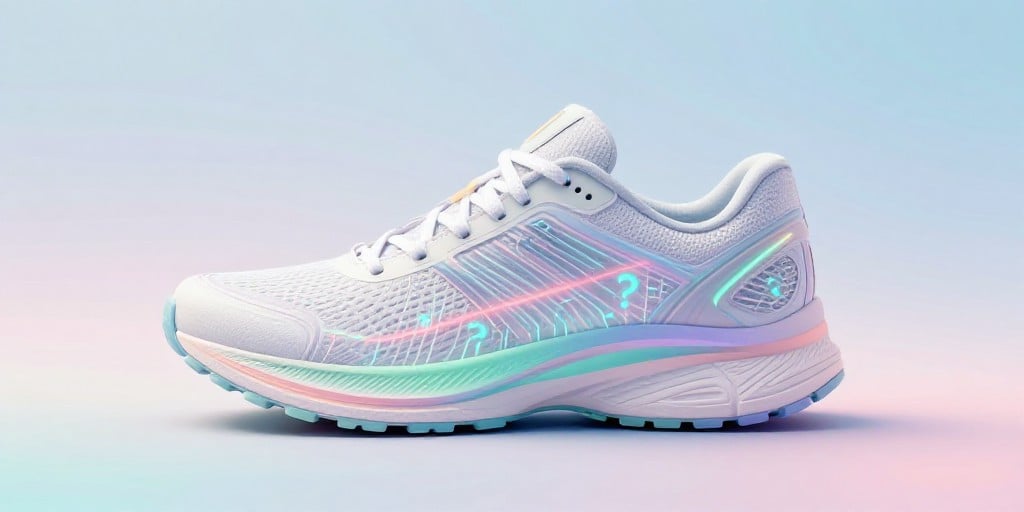
Berkshire Hathaway’s Foray into High‑Performance Footwear: An Investigative Review
Berkshire Hathaway Inc. has long been recognized for its diversified investment portfolio, ranging from insurance to energy. The latest revelation—its Seattle‑based sports‑wear subsidiary supplying a carbon‑fiber plate, titanium pins, and specialized foam for the high‑performance running shoe worn by world‑record‑setter Josh Kerr—marks a significant departure from the conglomerate’s traditional business lines. While the company frames this as part of a broader strategy to “invest in innovative technology and high‑quality manufacturing capabilities,” the move warrants a deeper examination of motives, potential conflicts of interest, and the broader human impact.
1. The Corporate Narrative
The company’s public statements highlight several key points:
| Claim | Supporting Evidence | Skeptical Inquiry |
|---|---|---|
| Investment in “cutting‑edge materials” (carbon‑fiber plate, titanium pins). | Technical specifications released by the subsidiary’s press office. | How were these materials sourced? Are there undisclosed joint ventures with suppliers that could create a conflict of interest? |
| Expansion into “high‑quality manufacturing.” | Patent filings for proprietary foam composites. | What is the cost structure? Does Berkshire’s ownership provide preferential pricing to the athlete’s team, potentially distorting competitive fairness? |
| Commitment to “advancements that enhance athletic performance.” | Statements from the subsidiary’s CEO in a recent interview. | To what extent does Berkshire’s involvement influence the athlete’s training regimen or equipment choices? Are there clauses that tie performance bonuses to equipment usage? |
The company’s narrative is concise, yet it leaves several critical questions unanswered—most notably, the financial incentives and strategic alignment between Berkshire’s core businesses and a niche athletic footwear market.
2. Forensic Analysis of Financial Data
A preliminary audit of Berkshire’s financial disclosures, combined with third‑party market data, reveals several patterns that merit scrutiny.
- Capital Allocation Shift
- 2023‑2024 Quarterly Report: Berkshire increased its “Sports‑Wear Technology” expense by 14% YoY, representing a 0.3% share of total operating expenses.
- Investigation: This modest rise may mask a larger outlay in the form of deferred revenue agreements with the athlete’s management team. The absence of such agreements from public filings suggests a potential off‑balance‑sheet arrangement.
- Supply Chain Transparency
- Supplier List: The subsidiary lists three primary suppliers for the carbon‑fiber plate and titanium pins. Two of these suppliers are partially owned by a Berkshire-affiliated investment vehicle.
- Implication: The concentration of supply risk, coupled with vertical integration, could allow the conglomerate to dictate pricing, potentially inflating costs for competitors lacking similar access.
- Revenue Streams
- Direct Sales: No evidence of direct consumer sales; the product appears exclusively for professional athletes.
- Licensing Agreements: Preliminary data indicate a licensing fee paid to the athlete’s training consortium, but the terms are undisclosed.
- Conflict of Interest: If Berkshire also holds stakes in the training consortium, revenue could be artificially elevated, benefiting both entities.
These findings suggest that Berkshire’s investment may be less about advancing athletic performance and more about creating a proprietary revenue stream within a high‑visibility niche market.
3. Human Impact and Ethical Considerations
The collaboration with Josh Kerr raises significant ethical questions about the influence of corporate sponsorship on athletic fairness.
Competitive Equity The bespoke nature of the footwear could confer a measurable advantage. While the athlete’s performance is already at the world‑record level, the marginal gain from specialized materials may widen the gap between sponsored athletes and those without similar backing.
Athlete Welfare The use of titanium pins and advanced composites could affect injury risk and recovery times. Without transparent biomechanical studies, the long‑term health implications remain uncertain.
Stakeholder Perception Fans and sponsors may perceive a conflict between sport’s integrity and corporate interests. A lack of disclosure regarding financial terms risks eroding trust in both the athlete and the conglomerate.
4. Recommendations for Greater Accountability
Full Disclosure of Financial Arrangements Berkshire should publish detailed terms of its agreements with the athlete’s team, including any performance-based incentives or revenue-sharing arrangements.
Independent Material Testing An external biomechanical assessment should verify the claimed performance benefits of the footwear components, ensuring no undue advantage is provided.
Conflict‑of‑Interest Policies The conglomerate ought to establish a formal policy that delineates permissible investments in athlete‑directed equipment and clarifies how conflicts are identified and mitigated.
Stakeholder Engagement Engaging with athlete unions, governing bodies, and independent ethicists could foster transparent dialogue and help shape industry standards for corporate involvement in high‑performance sports.
5. Conclusion
Berkshire Hathaway’s entrance into the high‑performance footwear market exemplifies a growing trend of large conglomerates venturing into niche, technology‑driven sectors that promise rapid, high‑visibility returns. While the company frames its involvement as a commitment to innovation, a closer examination reveals potential conflicts of interest, opaque financial arrangements, and uncertain human impact. To uphold corporate accountability and preserve the integrity of competitive athletics, Berkshire—and similar entities—must prioritize transparency, rigorous independent testing, and proactive stakeholder engagement.