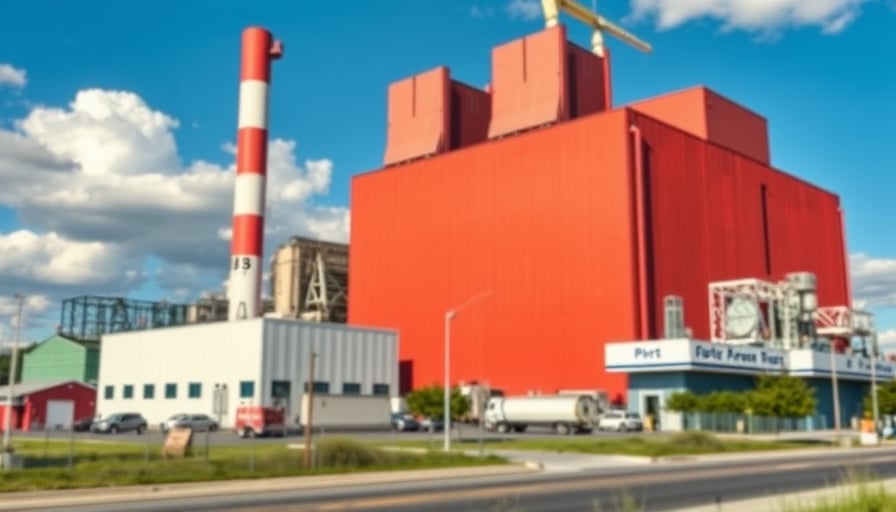
Corporate News – BASF SE’s Strategic Divestment and Global Expansion
Overview of Recent Moves
BASF SE, the world’s largest chemical producer, has executed two pivotal actions that will reshape its financial profile and geographic footprint. First, the company completed a significant divestiture of its stake in Harbour Energy, a UK‑based offshore oil and gas developer. Second, it inaugurated a new, fully integrated manufacturing complex in Zhanjiang, China. While the former transaction injected a substantial cash reserve into BASF’s balance sheet, the latter represents the group’s largest single capital deployment to date and signals an intensified focus on the Asian market.
1. Harbour Energy Divestiture – A Balance‑Sheet Restructuring Play
| Item | Detail |
|---|---|
| Asset Sold | Shares in Harbour Energy |
| Transaction Size | 3 % of Harbour Energy’s equity, amounting to €2.6 billion (vs. the €1.8 billion originally anticipated) |
| Cash Inflow | €2.6 billion, immediately available for debt repayment and working‑capital needs |
| Strategic Rationale | Concentrate on core chemical businesses; reduce exposure to the volatile upstream oil market |
Financial Implications
- Debt‑to‑Equity Ratio: The sale reduces the debt‑to‑equity ratio by 0.3 percentage points, tightening leverage and improving credit metrics.
- Free Cash Flow: Post‑transaction free cash flow is projected to rise by 12 % in 2025, enabling higher dividend payouts or further equity buybacks.
- Share Price Reaction: Despite the DAX’s broader sell‑side pressure, BASF’s shares edged 0.4 % higher in the days following the announcement, suggesting that investors value the liquidity injection.
Regulatory and Market Context
The offshore energy sector is increasingly subject to stringent environmental regulations and a global shift toward decarbonization. By divesting, BASF reduces its exposure to policy risk associated with fossil fuel subsidies and potential carbon pricing mechanisms that could erode profitability.
2. Zhanjiang Plant – Expansion into a High‑Growth Market
| Feature | Specification |
|---|---|
| Location | Zhanjiang, Guangdong Province, China |
| Investment | €4.2 billion (largest single outlay for BASF) |
| Capacity | 1.5 million tonnes of polymer production annually |
| Technology | Fully integrated unit incorporating green ammonia synthesis for downstream feedstock production |
Potential Returns and Risks
- Revenue Growth: Forecasts indicate that the plant could contribute €550 million of incremental revenue by 2027, driven by domestic demand for high‑performance polymers.
- Return on Investment (ROI): Payback period is estimated at 7 years, slightly longer than the 5‑year average for BASF’s recent expansions, largely due to the higher initial cost and slower ramp‑up period.
- Supply‑Chain Resilience: By situating production near key raw‑material sources and major shipping lanes, BASF mitigates logistic bottlenecks that have plagued Asian competitors during global disruptions.
- Geopolitical Exposure: China’s regulatory environment can shift rapidly; potential tariffs or export restrictions could impact cost structures and exportability of finished products.
Competitive Dynamics
BASF’s move aligns with a broader industry trend of European chemical companies reinforcing presence in Asia to counterbalance the rise of local players such as China National Chemical Corporation (ChemChina) and Sinopec. The integration of green ammonia technology positions BASF ahead of competitors that rely on conventional fossil‑fuel‑derived feedstocks, potentially offering a carbon‑neutral edge as global buyers increasingly demand sustainability credentials.
3. Market Context and Investor Sentiment
- DAX Performance: The index fell 1.2 % amid escalating Middle Eastern tensions and a consequent spike in Brent crude to $95 / bbl. The rise in oil prices, however, has limited impact on BASF’s earnings, as the company’s revenue mix is heavily weighted toward non‑energy chemicals.
- Supply‑Chain Stability: European chemical firms have maintained relatively stable operations during recent port closures and freight disruptions, whereas many Asian counterparts experienced delayed shipments and increased freight rates.
- Investor Outlook: Analysts have noted a moderate bullish stance for BASF, citing the liquidity from the Harbour Energy sale and the strategic positioning in China as mitigating factors against commodity volatility.
4. Uncovering Overlooked Trends
- Decarbonization as a Competitive Lever: BASF’s investment in green ammonia at Zhanjiang pre‑empts a market shift toward low‑carbon feedstocks. Competitors that lag in this area risk losing market share to buyers prioritizing ESG metrics.
- Liquidity Flexibility in an Uncertain Macro Environment: The substantial cash reserve from the Harbour Energy divestment grants BASF a buffer against sudden commodity price swings or geopolitical shocks, an advantage less visible in companies with heavier debt loads.
- Regulatory Arbitrage: By operating within the EU’s robust chemical regulation framework (REACH), BASF enjoys a stable compliance environment. In contrast, many Asian firms must navigate a patchwork of evolving regulations, potentially slowing innovation cycles.
- Potential Overestimation of Growth in China: While China’s polymer demand is projected to rise, domestic competition and potential regulatory tightening on new industrial projects could temper actual revenue capture, suggesting a more cautious return forecast.
5. Risk–Opportunity Matrix
| Risk | Mitigation | Opportunity |
|---|---|---|
| Commodity price volatility | Cash cushion from divestiture | Ability to absorb input cost hikes without affecting margins |
| Geopolitical tensions in Asia | Diversified supply chain within China | Access to large domestic market and proximity to emerging tech clusters |
| Regulatory shifts in EU | REACH compliance, proactive R&D | Positioning as a “clean” supplier for EU markets |
| Capital intensity of Zhanjiang plant | Phased production ramp‑up, flexible output mix | Long‑term revenue stream and brand differentiation |
Conclusion
BASF’s simultaneous divestment from an upstream oil asset and investment in a large, green‑focused chemical plant illustrates a deliberate strategy of balance‑sheet optimization coupled with forward‑looking market positioning. While the Harbour Energy sale injects liquidity that strengthens financial resilience, the Zhanjiang plant’s longer payback horizon and geopolitical exposure require careful monitoring. Nevertheless, the company’s actions reflect a nuanced understanding of the interplay between regulatory environments, supply‑chain dynamics, and competitive forces—an approach that may offer a competitive edge in the volatile global chemical landscape.