AQR Capital Management’s Strategic Investment in Deckers Outdoor Corp.: Implications for Consumer‑Facing Businesses
AQR Capital Management, through its subsidiaries AQR Capital Management, LLC and AQR Capital Management Holdings, LLC, has disclosed that it holds a substantial stake in the common stock of Deckers Outdoor Corp. According to a Schedule 13G filed with the U.S. Securities and Exchange Commission, the investment represents a little over six percent of Deckers’ issued shares. The filing clarifies that AQR exercises only shared voting and disposing powers and does not possess any controlling influence over the company. The shares were acquired in the ordinary course of business, with no intention of influencing Deckers’ control structure or strategic direction.
How This Transaction Reflects Broader Corporate Dynamics
While the transaction itself may appear routine, it underscores several critical currents shaping the consumer‑products sector:
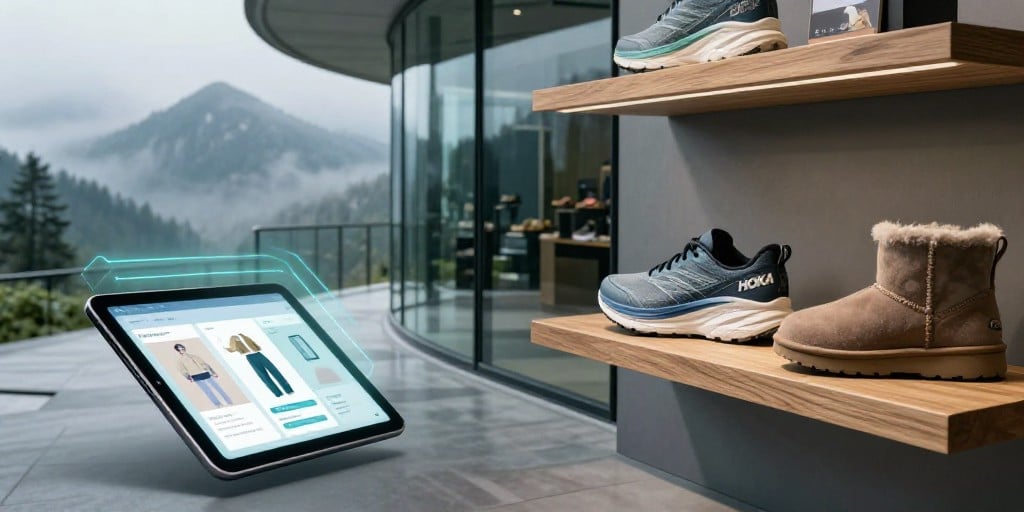
Digital Transformation of Physical Retail Deckers has historically leveraged a direct‑to‑consumer model through its e‑commerce channels and brand‑centric stores. AQR’s passive stake signals confidence in a hybrid retail ecosystem that blends immersive physical experiences with data‑driven digital engagement. As consumers increasingly expect seamless omnichannel journeys, firms that successfully integrate experiential retail with AI‑enabled personalization are poised to capture higher lifetime value.
Shifts in Generational Spending Patterns Millennials and Gen Z consumers are driving growth in outdoor recreation, sustainability, and wellness‑focused apparel. Their willingness to pay a premium for brands that align with personal values amplifies the relevance of Deckers’ product portfolio. AQR’s investment may be interpreted as an endorsement of the company’s positioning at the intersection of lifestyle, performance, and social responsibility—a formula resonating strongly with younger demographics.
Evolution of Consumer Experiences Modern consumers seek authenticity, storytelling, and community engagement. Deckers’ brand architecture—comprising well‑known labels such as Vans and Hurley—provides a platform for experiential storytelling that can be leveraged across social media, pop‑up activations, and collaborations with lifestyle influencers. This aligns with a broader trend where brands transform retail spaces into interactive hubs that foster loyalty beyond transactional relationships.
Forward‑Looking Analysis: Market Opportunities for Similar Players
Investment in Data Analytics: Firms that harness shopper data to tailor in‑store layouts and online recommendations can better anticipate consumer behavior, especially within the “experience economy.” AQR’s passive involvement highlights the growing appetite among institutional investors for data‑centric retail strategies.
Sustainability as a Differentiator: Deckers’ commitment to environmentally responsible sourcing appeals to eco‑conscious consumers, offering a template for other manufacturers. Companies that embed sustainability into supply chains, packaging, and product life cycles may attract not only consumers but also institutional capital seeking ESG‑aligned portfolios.
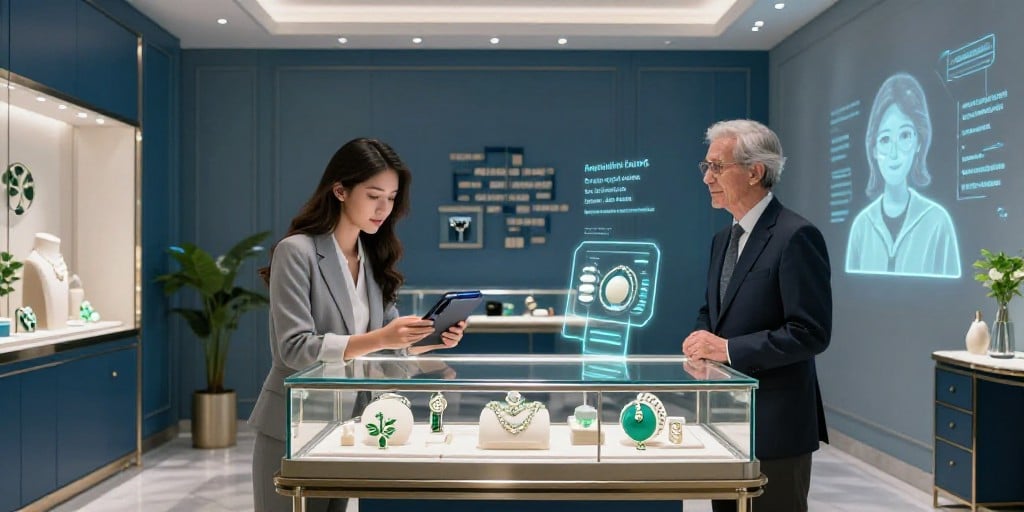
Hybrid Retail Architecture: The coexistence of flagship stores, concept spaces, and digital storefronts presents a replicable blueprint for brands targeting a wide age range. By creating “experience zones” that integrate product demos, community events, and digital touchpoints, retailers can deepen engagement while collecting valuable consumer insights.
Cross‑Generational Product Innovation: Designing modular or customizable products that resonate with both older and younger audiences can extend brand relevance. Deckers’ emphasis on versatile footwear—applicable for casual wear and outdoor activities—illustrates how versatility can bridge demographic divides.
Conclusion
AQR Capital Management’s acquisition of a 6 % stake in Deckers Outdoor Corp. may appear modest, but it signals broader market confidence in consumer brands that adeptly combine digital innovation with immersive physical retail. By aligning product development, sustainability, and experiential storytelling, companies can capitalize on shifting generational preferences and the evolving expectations of modern shoppers. Institutional investors like AQR are increasingly looking beyond traditional equity metrics, focusing on how businesses translate societal trends—such as digitalization, lifestyle shifts, and experiential demand—into sustainable growth trajectories.