
Corporate Analysis: AerCap Holdings NV’s Sustained Growth in the Aviation Leasing Sector
AerCap Holdings NV, the largest aircraft leasing company worldwide, has maintained a steady upward trajectory in its share price over the past twelve months, now nearing the high point it reached earlier this year. This performance reflects the company’s solid valuation, which remains underpinned by its substantial market share and a geographically diversified portfolio.
Valuation Strength and Geographic Diversification
AerCap’s valuation continues to demonstrate resilience in the face of a fluctuating aviation market. The firm’s assets are spread across multiple regions—North America, Europe, Asia, and the Middle East—allowing it to mitigate region‑specific risk factors such as regulatory changes, economic downturns, or fluctuating fuel prices. This geographic spread also positions AerCap favorably for capturing growth opportunities in emerging markets where air travel demand is projected to rise sharply.
Portfolio Expansion and Fleet Modernization
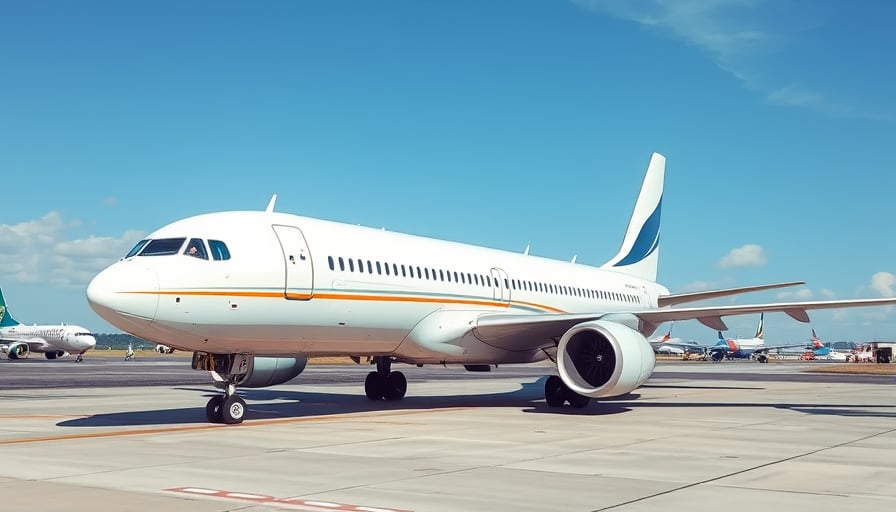
Recent activity has seen AerCap actively enlarging its leasing holdings, with the delivery of a new Airbus A321neo to Thai Airways serving as a prime example. The A321neo, renowned for its fuel efficiency and lower operating costs, aligns with airlines’ broader strategy of fleet modernization. By providing such aircraft, AerCap not only secures long‑term lease agreements but also reinforces its reputation as a strategic partner that delivers technologically advanced solutions.
Strategic Positioning Within the Global Leasing Market
AerCap’s continued focus on modern, high‑efficiency aircraft strengthens its competitive positioning against other global leasing entities such as GECAS, Aerodyne, and SMBC Aviation Capital. By maintaining a balanced mix of legacy and next‑generation aircraft, AerCap can cater to airlines with varying financial strategies—some favoring outright purchases, others opting for leasing to preserve liquidity.
Broader Economic Implications
The company’s growth reflects wider economic trends in the aviation sector:
- Post‑pandemic Recovery: Air travel demand has rebounded, prompting airlines to replace older fleets and expand capacity.
- Fuel Efficiency Imperative: Rising fuel costs and environmental regulations drive airlines toward newer, more efficient models.
- Capital Constraints: Many carriers lack the capital for large fleet purchases, increasing reliance on leasing.
In this context, AerCap’s robust valuation and portfolio expansion are not merely isolated corporate successes but indicators of the sector’s health and evolving dynamics.
Conclusion
AerCap Holdings NV’s share price momentum and strategic leasing activities, exemplified by the delivery of an Airbus A321neo to Thai Airways, underscore the company’s effective alignment with global aviation trends. Its diversified geographic footprint, commitment to modern aircraft, and solid valuation position AerCap to capitalize on the continuing resurgence of air travel and the broader shift toward more efficient, sustainable fleets.