
Corporate Overview
AerCap Holdings NV, the preeminent aircraft‑leasing enterprise by fleet value, has recently filed its 2025 annual report with the U.S. Securities and Exchange Commission (SEC). The audited financial statements are now available on both the company’s investor relations portal and the official SEC database, fulfilling the statutory disclosure obligations that accompany the firm’s U.S. public listing.
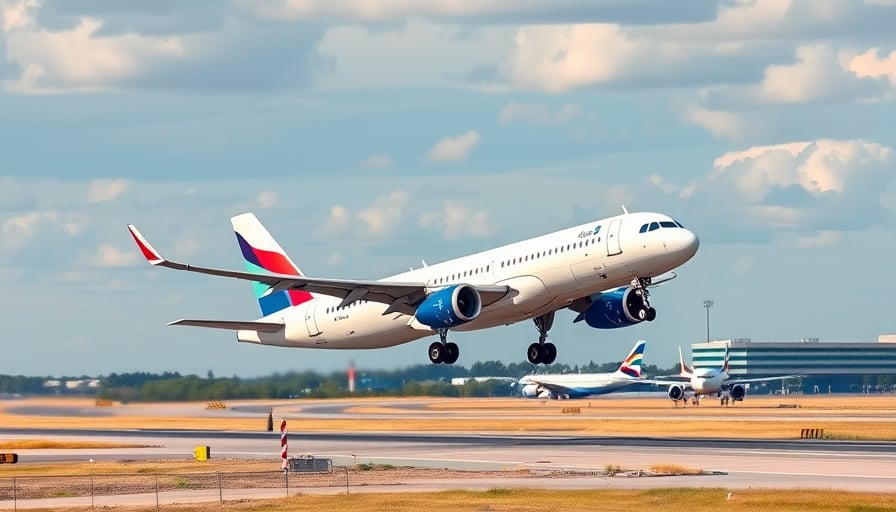
In a related transaction, Frontier Group Holdings has signed a non‑binding agreement with AerCap to return 24 of its A320neo aircraft ahead of schedule. The anticipated completion of these returns is slated for the second quarter of 2026. Concurrently, AerCap has committed to pursue ten future sale‑leaseback arrangements with Frontier, underscoring a sustained partnership that enhances fleet optimization and capital structure management.
These events illustrate AerCap’s strategic emphasis on portfolio management and collaborative asset stewardship with leading airlines, a focus that dovetails with broader trends in capital expenditure, technological adoption, and regulatory compliance within the heavy‑industry leasing sector.
Impact on Manufacturing and Production Processes
Aircraft Production Cycles
The early return of A320neo units necessitates recalibration of the production and supply chain schedules for Airbus, the manufacturer of the A320neo family. When a leasehold operator opts to return aircraft earlier than anticipated, Airbus must adjust the production backlog, potentially reallocating resources to other programs such as the A350 or the forthcoming A321XLR. This shift can lead to temporary capacity constraints or accelerated lead times for new orders, compelling manufacturers to adopt flexible manufacturing systems (FMS) that can pivot production lines with minimal downtime.
Component Supply Chains
Early aircraft returns increase demand for spare parts and maintenance, repair, and overhaul (MRO) services. MRO providers must anticipate higher volumes of components, which in turn pressures component suppliers—particularly for advanced avionics, composite materials, and high‑strength alloys. Leveraging just‑in‑time (JIT) inventory strategies combined with digital twin simulations enables suppliers to forecast demand spikes and optimize inventory levels, reducing stock‑out risks without inflating capital tied up in excess inventory.
Capital Expenditure Trends in Heavy Industry
Shift Toward Asset-Light Models
AerCap’s sale‑leaseback strategy exemplifies a broader move in the aerospace and transportation sectors toward asset-light models. By selling aircraft and immediately leasing them back, operators free up working capital while preserving operational flexibility. This approach mitigates balance‑sheet exposure to fluctuating asset values, especially in an environment of volatile fuel prices and uncertain demand cycles. Consequently, capital expenditure (CapEx) allocations shift from outright purchases to service‑based contracts, affecting manufacturing volumes and downstream supply chains.
Investment in Technological Innovation
To maintain competitive differentiation, manufacturers and leasing companies invest heavily in next‑generation technologies:
Digital Twins and IoT Analytics: Real‑time monitoring of aircraft health enables predictive maintenance, reducing downtime and extending component life. Leasing firms can use these analytics to refine risk models and adjust lease terms dynamically.
Advanced Composite Materials: Light‑weight composites lower fuel consumption, enhancing the economic attractiveness of new fleets. However, their manufacture demands sophisticated lay‑up and curing processes, which require significant upfront capital for equipment and skilled labor.
Hybrid‑Electric Propulsion R&D: While still nascent, investment in hybrid systems is accelerating, driven by regulatory incentives to reduce carbon emissions. Manufacturers must balance the high R&D costs against future market potential, often partnering with leasing firms to share risk.
Economic Drivers of CapEx Decisions
Fuel Price Volatility
Fluctuating jet fuel prices exert a direct influence on fleet composition decisions. Higher fuel costs incentivize operators to retire older, less efficient aircraft earlier—an impetus that can accelerate early return agreements like the one between AerCap and Frontier. Conversely, lower fuel prices can justify the purchase or lease of newer, fuel‑efficient models.
Interest Rates and Financing Costs
In periods of elevated interest rates, the cost of debt financing for aircraft acquisition rises. Leasing firms, by providing an alternative financing route, can offset this burden. However, higher rates also compress operating margins for airlines, potentially curtailing demand for new aircraft and slowing capital deployment.
Regulatory and Environmental Mandates
Stringent emissions regulations—such as the International Civil Aviation Organization’s (ICAO) Carbon Offsetting and Reduction Scheme for International Aviation (CORSIA)—impose additional compliance costs. To meet these standards, airlines may need to invest in newer, cleaner aircraft, thereby stimulating capital outlays in the leasing market.
Supply Chain Resilience and Infrastructure Implications
Diversification of Supplier Base
The early return of aircraft intensifies pressure on supply chains that were previously calibrated to a slower demand profile. Diversification—both geographic and vendor—reduces single‑point failures. For example, integrating suppliers from regions with stable geopolitical environments ensures continuity of critical component deliveries.
Infrastructure Investment in MRO Facilities
Increased maintenance activity associated with early returns requires expansion of MRO infrastructure. This includes the acquisition of high‑volume tooling, robotics for composite repair, and advanced diagnostic equipment. Leasing firms often partner with MRO providers to co‑invest in these facilities, aligning operational readiness with fleet deployment schedules.
Digitalization of Logistics Networks
Advanced logistics platforms leveraging blockchain for traceability, coupled with AI‑driven routing algorithms, can optimize spare parts distribution. Such systems reduce lead times, lower inventory carrying costs, and improve overall supply chain responsiveness—key factors when adapting to sudden changes in fleet composition.
Market Implications and Forward Outlook
- Fleet Composition Adjustments: Operators will increasingly tailor fleets to specific route structures, balancing capacity with fuel efficiency, which may alter the mix of aircraft models in the leasing market.
- CapEx Allocation: Leasing firms may redirect capital from purchasing to refurbishing older aircraft, extending their service life through modular upgrades that incorporate newer avionics or lightweight materials.
- Technological Differentiation: Companies that successfully integrate digital twins, predictive maintenance, and sustainable propulsion will command premium lease rates, influencing the competitive landscape.
- Regulatory Alignment: Compliance with emerging environmental standards will necessitate a continued shift toward greener fleets, potentially accelerating the adoption of electric or hybrid propulsion in the mid‑term.
In summary, AerCap’s latest regulatory filings and strategic transactions with Frontier Group illuminate a sector in dynamic flux, driven by capital optimization strategies, technological innovation, and evolving regulatory landscapes. Manufacturing processes, supply chain architectures, and infrastructure investments are all being recalibrated to accommodate these shifts, positioning the heavy‑industry leasing market for a future defined by agility, sustainability, and data‑centric operations.