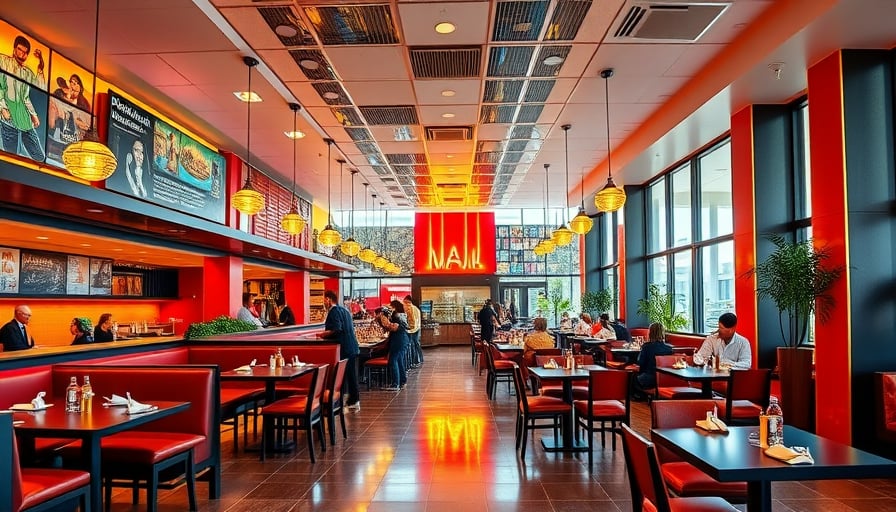
Digital‑Physical Synergy in an Era of Geopolitical Uncertainty and Shifting Consumer Preferences
The global food‑stabiliser sector is poised at a critical juncture where macro‑economic pressures, demographic transitions, and evolving lifestyle habits intersect. For companies such as Archer‑Daniels‑Midland Co. (ADM), the challenge is to translate a volatile commodity backdrop into sustainable growth opportunities while aligning product portfolios with the next generation’s purchasing behaviors.
Geopolitical Tensions and Energy Volatility
The United Nations Food and Agriculture Organization’s latest assessment indicates that regional instability in West Asia is projected to keep food inflation elevated through 2026. The conflict has amplified energy costs, which in turn raise the prices of nitrogen‑based fertilizers and freight—a double whammy that compresses margins for agribusinesses and processors alike. ADM’s extensive supply‑chain footprint, encompassing both energy‑intensive production sites and high‑risk logistics corridors, magnifies its exposure to these dynamics.
Companies that secure diversified sourcing strategies and maintain robust hedging frameworks are better equipped to absorb input‑cost shocks. For ADM, this translates into a continued focus on building resilience through strategic partnerships, alternative energy sourcing, and advanced predictive analytics to anticipate freight disruptions.
Consumer Demand for Convenience and Clean‑Label Ingredients
Parallel to the commodity pressure, consumer preferences are increasingly tilting toward convenience and clean‑label products. The rise of plant‑based diets and premium confectionery has heightened demand for functional ingredients that deliver mouthfeel, phase stability, and moisture retention without compromising on natural or traceable sourcing.
Digital platforms have accelerated this shift. Generational cohorts—particularly Millennials and Gen Z—are leveraging e‑commerce, subscription services, and social‑media‑driven recipe content to discover and purchase niche food items. These consumers not only prioritize taste and convenience but also seek transparency about ingredient provenance. Consequently, ingredient producers that can demonstrate traceability, sustainability credentials, and high‑performance attributes gain a distinct competitive edge.
Bridging Digital and Physical Retail
The convergence of digital and physical retail is redefining the consumer experience. Brick‑and‑mortar stores now host in‑store digital kiosks, virtual reality tastings, and data‑driven personalized offers. Simultaneously, online marketplaces rely on sophisticated recommendation engines that integrate real‑time inventory and regional supply‑chain data. For ADM, this environment offers a dual opportunity: to supply high‑quality stabilisers to physical retailers looking to differentiate their private‑label products, and to partner with digital platforms that enable consumers to explore new flavor profiles through immersive content.
Generational Spending Patterns
Spending behavior is shifting: Gen X maintains a preference for value and brand loyalty, whereas Millennials and Gen Z favour experiential purchases and are more willing to pay a premium for health‑conscious, ethically sourced ingredients. Retailers that can harness data analytics to tailor marketing strategies to each cohort—and that can seamlessly integrate digital touchpoints with physical product availability—will capture higher market share.
Forward‑Looking Market Opportunities
Diversified Sourcing and Energy Hedging – Companies that proactively manage their commodity exposure will be better positioned to stabilize margins. ADM’s investment in alternative energy sources and forward‑contract hedging can serve as a benchmark for the sector.
Clean‑Label Functional Ingredients – The demand for traceable, plant‑based stabilisers is set to grow as consumers continue to prioritize health and sustainability. Firms that can innovate in low‑sodium, low‑sugar, and allergen‑friendly formulations will attract premium pricing.
Digital‑Enabled Retail Partnerships – Collaborations with e‑commerce platforms and data‑centric retailers will allow ingredient suppliers to gain real‑time insights into consumer preferences, enabling rapid product iteration and targeted marketing.
Integrated Consumer Experiences – The convergence of physical and digital retail spaces offers an avenue for immersive brand storytelling. Ingredient manufacturers can sponsor virtual tastings, recipe challenges, or AR experiences that showcase their product performance, thereby strengthening brand perception among tech‑savvy consumers.
Risk Management in the Agricultural Value Chain – As portfolio managers increasingly scrutinize the correlation between crude oil and grain futures, companies that can demonstrate robust risk mitigation strategies will attract institutional investment. This includes advanced supply‑chain monitoring, scenario planning, and dynamic pricing models that respond to macro‑economic signals.
Conclusion
Archer‑Daniels‑Midland Co.’s position at the nexus of commodity supply, geopolitical risk, and evolving consumer demands makes it both a target for scrutiny and a case study in strategic adaptation. By fortifying supply‑chain resilience, advancing clean‑label functional ingredient development, and leveraging the digital‑physical retail continuum, ADM—and its peers—can turn macro‑economic headwinds into sustained market opportunities. The coming years will test the agility of firms that can align operational excellence with the nuanced expectations of a digitally empowered, generation‑diverse consumer base.