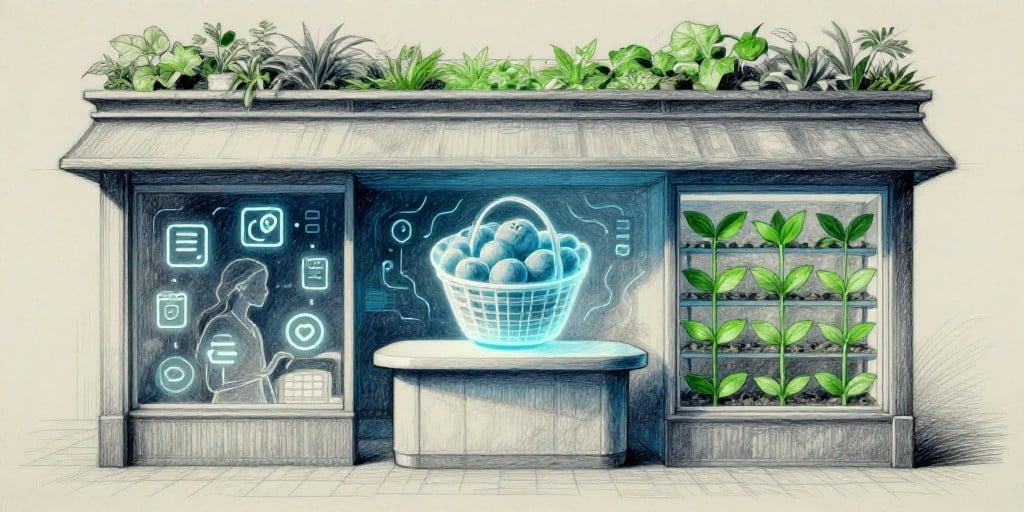
Corporate Analysis: Consumer‑Goods Dynamics in a Digitally‑Driven Retail Landscape
The recent modest decline in the share price of Associated British Foods PLC—a movement that mirrored the broader underperformance of consumer‑goods stocks—offers an instructive lens through which to examine the evolving interplay between digital transformation and physical retail, generational spending patterns, and shifting consumer experiences. While the company’s day‑to‑day fluctuations appear routine, a deeper exploration reveals how societal trends are shaping strategic opportunities within the food and beverage sector and the wider consumer‑goods arena.
1. Digital‑Physical Synergy in Retail
The retail sector is increasingly defined by a hybrid model in which brick‑and‑mortar outlets coexist with omnichannel digital platforms. The recent market data shows that Associated British Foods—which operates both grocery and specialty food brands—has not yet fully capitalised on this convergence. However, the modest decline signals a growing investor expectation that firms in the space must accelerate digital integration to sustain margins.
- E‑commerce Growth: Across Europe, online grocery sales have risen to nearly 15 % of total retail food spend, a figure that has been amplified by pandemic‑driven changes in consumer habits. Companies that can offer seamless online ordering, real‑time inventory updates, and personalised recommendations stand to capture a larger share of the market.
- Data‑Driven Supply Chains: Digitisation allows firms to refine demand forecasting, reduce waste, and optimise distribution routes. For a conglomerate like AB Foods, integrating data analytics across its supply chain could translate into cost savings that offset the slight downward pressure on earnings.
- Experiential Physical Stores: Physical locations can no longer rely solely on product presence; they must deliver curated, sensory experiences that reinforce brand identity. This may involve pop‑up events, interactive product demonstrations, or partnerships with local producers—strategies that can drive both traffic and loyalty.
2. Generational Spending Patterns
The consumer‑goods market is being reshaped by the divergent spending behaviours of Generation Z, Millennials, and the aging Baby Boomers. Each cohort brings distinct priorities that influence purchasing decisions.
| Generation | Key Drivers | Implications for Consumer‑Goods |
|---|---|---|
| Generation Z | Sustainability, authenticity, digital convenience | Demand for transparent sourcing, eco‑friendly packaging, and mobile‑first purchasing experiences. |
| Millennials | Value‑for‑money, health consciousness | Preference for functional products with clear health benefits and flexible payment options (e.g., subscriptions). |
| Baby Boomers | Trust, quality, ease of use | Loyalty to established brands, appreciation for in‑store assistance, and willingness to pay for premium quality. |
AB Foods has a portfolio that spans these demographics, yet the market’s modest weakness suggests that the company’s messaging or product offerings may not fully resonate across the spectrum. Targeted initiatives—such as a line of plant‑based snacks for Gen Z, a subscription model for Millennials, and premium, heritage‑produced goods for Boomers—could diversify revenue streams and buffer against market volatility.
3. Evolution of Consumer Experiences
Contemporary consumers no longer view shopping as a transactional act; they seek immersive, emotionally engaging interactions. This trend is redefining the parameters of customer loyalty and brand perception.
- Personalisation: Leveraging customer data to tailor product recommendations and promotions enhances engagement. A data‑driven loyalty program could encourage repeat purchases and increase basket size.
- Sustainability as Value: Environmental stewardship is now a core expectation. Brands that communicate robust sustainability narratives—e.g., zero‑waste packaging or fair‑trade sourcing—tend to outperform peers in the long term.
- Cross‑Channel Cohesion: Seamless transitions between online and offline touchpoints reduce friction. For instance, “buy online, pick up in store” (BOPIS) models have proven resilient during periods of supply chain disruption.
4. Market‑Level Observations
The broader market context provides further insight into how AB Foods is situated within its sector:
- Sectoral Pressure: Consumer‑goods stocks experienced modest weakness, reflecting a broader concern over slower retail demand and tightening margins. This environment underscores the importance of cost optimisation and strategic pricing.
- Commodity Volatility: A brief spike in commodity prices earlier in the week, followed by a mild easing, suggests that price volatility remains a key risk factor for food producers. Hedging strategies and diversified sourcing can mitigate this exposure.
- Peer Performance: While peers such as Imperial Brands and Babcock International posted gains, others like Unilever and Haleon recorded only minor fluctuations. This disparity highlights the differential impact of digital maturity and brand positioning across the sector.
5. Forward‑Looking Analysis
- Accelerate Digital Integration – Investment in omnichannel platforms and AI‑driven supply‑chain solutions will be critical for maintaining competitiveness and driving profitability.
- Tailor Product Offerings to Generational Needs – A segmented product strategy that addresses the distinct preferences of Gen Z, Millennials, and Boomers can expand market reach and reduce concentration risk.
- Enhance Sustainability Credentials – Transparent, measurable sustainability initiatives can differentiate the brand and meet consumer expectations, potentially commanding premium pricing.
- Leverage Data for Personalisation – Robust customer data platforms can support targeted marketing, improve customer lifetime value, and reinforce brand loyalty.
- Mitigate Commodity Risk – Proactive hedging and diversified sourcing will protect margins in a volatile commodity landscape.
By aligning operational strategy with these evolving consumer dynamics, Associated British Foods PLC can translate the current modest decline into a catalyst for long‑term value creation. The intersection of digital transformation and physical retail, coupled with an acute understanding of generational spending patterns and experiential expectations, presents a fertile landscape for innovation and growth within the consumer‑goods sector.