Market Dynamics in the U.S. Meatpacking Sector: A Catalyst for Broader Consumer Goods Trends
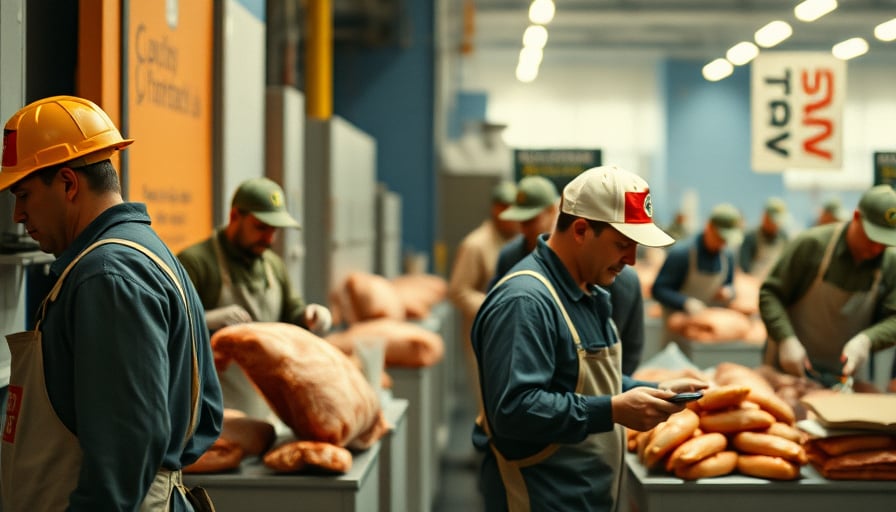
The temporary lull in industrial activity within the United States meatpacking industry, triggered by a three‑week strike at the largest global producer, JBS, has amplified existing supply‑chain vulnerabilities and highlighted emerging trends across the broader consumer goods landscape. While the immediate concern centers on labor negotiations at the Greely, Colorado facility, the ripple effects are reshaping retail innovation, brand positioning, and omnichannel strategies in several intersecting sectors.
1. Short‑Term Market Movements: Labor, Supply, and Price Pressures
| Driver | Impact on Meatpacking | Wider Implications |
|---|---|---|
| Labor Dispute | Production halted for 21 days; potential backlog of orders. | Forces retailers to seek alternative suppliers, accelerating the shift toward diversified sourcing. |
| Cattle Supply Contraction | Higher input costs leading to upward pressure on wholesale prices. | Drives consumers to seek lower‑priced alternatives, boosting demand for plant‑based or value‑added products. |
| Union Settlement | JBS to resume operations next week, but future negotiations remain uncertain. | Creates volatility in supply forecasts, prompting retailers to adopt real‑time inventory monitoring. |
| Tyson’s Nebraska Closure | Further reduced national processing capacity. | Amplifies scarcity narratives, supporting premium branding for scarce products. |
2. Consumer Behavior Shifts and Brand Positioning
The immediate labor and supply disruptions are accelerating a consumer shift toward:
- Value‑for‑Money Sourcing: Price‑sensitive shoppers increasingly consider alternative protein sources, prompting brands to emphasize transparent pricing and ingredient sourcing.
- Health and Safety Assurance: The strike spotlighted protective equipment costs; brands now emphasize safety protocols to build trust.
- Local and Sustainable Narratives: With global supply chains in flux, consumers gravitate toward local producers, providing an opening for regional brands to reposition themselves as reliable, community‑anchored options.
Retailers and manufacturers that can weave these themes into cohesive narratives—highlighting product integrity, traceability, and responsible sourcing—are likely to strengthen brand equity in a competitive environment.
3. Omnichannel Retail Strategies: From Brick‑And‑Mortar to Digital Integration
The meatpacking sector’s labor disruptions have accelerated the adoption of omnichannel tactics across the consumer goods industry:
| Channel | Adaptation | Key Benefits |
|---|---|---|
| E‑Commerce | Rapid inventory updates, AI‑driven demand forecasting. | Maintains sales momentum even when physical supply chains falter. |
| Curbside Pickup / Delivery | Expanded fulfillment options to compensate for reduced in‑store stock. | Enhances convenience, capturing price‑sensitive shoppers. |
| Subscription Services | Bundled meal kits featuring alternative proteins. | Stabilizes revenue streams and fosters brand loyalty. |
| Social Commerce | Influencer partnerships showcasing brand safety practices. | Drives immediate conversions and community engagement. |
Integrating real‑time data across these touchpoints allows retailers to mitigate the impact of supply disruptions and provide a seamless customer experience.
4. Supply Chain Innovations and Long‑Term Industry Transformation
The short‑term shock is prompting a re‑evaluation of supply chain resilience:
- Diversified Sourcing: Companies are expanding supplier networks to reduce dependency on single facilities.
- Vertical Integration: Some brands are investing in upstream operations—such as controlled‑environment livestock farms—to secure raw material inputs.
- Digital Twins and Simulation: Advanced modeling tools enable stakeholders to anticipate bottlenecks and test mitigation strategies in a virtual environment.
- Blockchain Traceability: Ensures end‑to‑end visibility, reinforcing consumer confidence in product provenance.
These innovations not only address immediate volatility but also lay the groundwork for a more agile, data‑driven industry capable of adapting to future disruptions.
5. Connecting Short‑Term Movements to Long‑Term Transformation
The meatpacking sector’s current turmoil underscores a broader narrative: consumer goods markets are becoming increasingly sensitive to the interplay of labor relations, commodity prices, and supply‑chain robustness. In the near term, retailers must focus on:
- Risk‑Adjusted Procurement: Balancing cost with resilience.
- Consumer‑Centric Storytelling: Leveraging transparency to differentiate brands.
- Technology Integration: Deploying AI, IoT, and blockchain to forecast and mitigate disruptions.
In the long term, the industry will likely see a consolidation of supply chains, greater emphasis on sustainable sourcing, and a shift toward personalized, data‑driven retail experiences. Companies that successfully navigate this transition—by aligning operational resilience with consumer expectations—will emerge as leaders in an evolving marketplace.