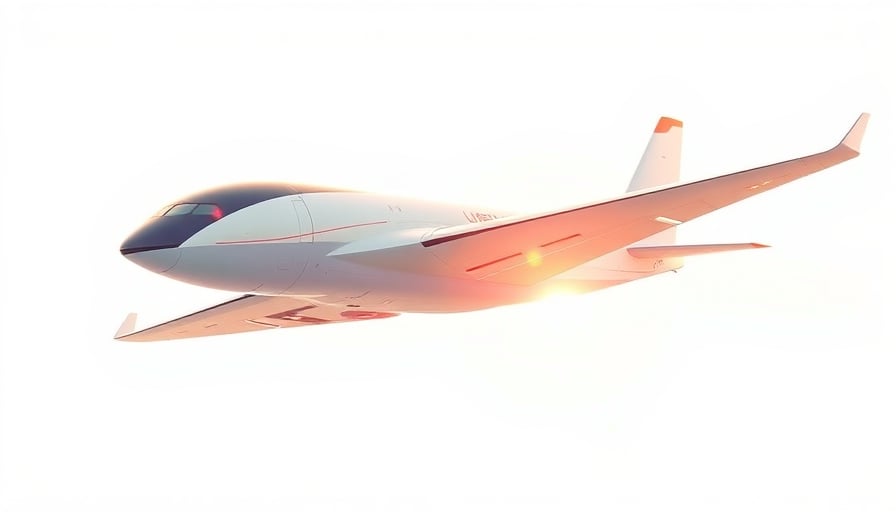
Honeywell International Inc. Announces Planned Separation of Aerospace Division and Strategic Collaboration with FOM Technologies
Honeywell International Inc. (NYSE: HON) disclosed that it intends to file a registration statement to spin off its aerospace division, creating a standalone aerospace and defense company. The separation is positioned as a strategic move to sharpen focus on electrification, autonomous technologies, and safety initiatives within the aerospace sector. Concurrently, Honeywell entered into a collaboration with FOM Technologies to optimize electrode production, reflecting its commitment to improving manufacturing processes.
Key Points of the Announcement
- Separation of Aerospace Division: The planned spin‑off will allow the new entity to concentrate on aerospace and defense markets, facilitating dedicated investment in next‑generation technologies.
- Strategic Focus Areas:
- Electrification: Development of electric propulsion systems for aircraft.
- Autonomous Technologies: Advancement of autonomous flight systems and related software.
- Safety Initiatives: Enhancement of safety features through integrated systems and data analytics.
- Collaboration with FOM Technologies: The partnership targets optimization of electrode production, a critical component in battery and power systems, aligning with the broader electrification strategy.
Impact on Consumer Discretionary Trends
While the announcement itself centers on corporate restructuring and technology development, it intersects with broader consumer discretionary dynamics in several ways:
- Demographic Shifts
- Millennial and Gen Z Consumers: These cohorts prioritize sustainability and technological innovation in the products they consume. Honeywell’s emphasis on electrification and autonomous technologies aligns with these preferences, potentially influencing future demand for electric aircraft and related services.
- Older Generations: Continued investment in safety initiatives addresses the concerns of older travelers, who remain a significant share of the aviation market.
- Economic Conditions
- Post‑Pandemic Recovery: As global travel rebounds, airlines are seeking cost‑effective and environmentally friendly solutions. Honeywell’s focus on electrification could position the new aerospace entity to secure contracts in a market eager to reduce operational costs and emissions.
- Inflation and Fuel Prices: Rising fuel costs increase the appeal of electric propulsion systems that promise lower operating expenses, potentially accelerating adoption rates.
- Cultural Shifts
- Sustainability Culture: The growing cultural emphasis on climate action makes electrification a key differentiator for aerospace companies. Honeywell’s strategy taps into this narrative, potentially strengthening its brand perception among environmentally conscious consumers.
- Tech‑Savvy Expectations: Autonomous flight technologies resonate with a culture increasingly comfortable with automation in everyday life, from self‑driving cars to smart home devices.
Brand Performance and Retail Innovation
Although Honeywell operates primarily in industrial and aerospace markets rather than traditional retail, its brand performance can be inferred from market positioning and innovation adoption:
- Brand Strength: Honeywell’s longstanding reputation for reliability and safety provides a solid foundation for the new aerospace entity to leverage in securing defense and commercial contracts.
- Innovation Adoption: The collaboration with FOM Technologies showcases Honeywell’s proactive approach to process optimization, a practice that can translate into improved product quality and faster time‑to‑market for new technologies.
Consumer Spending Patterns
- Shift Toward High‑Value Purchases: Consumers, particularly in the travel sector, are willing to pay premiums for enhanced safety and reduced environmental impact. This willingness can translate into higher demand for airlines that adopt Honeywell’s electric and autonomous solutions.
- Technology‑Driven Value Perception: Products that incorporate cutting‑edge technology often command higher consumer confidence, potentially influencing airlines’ procurement decisions.
Market Research and Consumer Sentiment
- Market Research Data: Industry analysts project a 15–20% growth in demand for electric aircraft components over the next decade, driven by regulatory mandates and fuel price volatility. Honeywell’s focus areas align closely with these projections.
- Consumer Sentiment Indicators: Surveys indicate increasing consumer support for sustainable travel options, with 62% of respondents expressing a preference for airlines that invest in green technologies. This sentiment supports the strategic direction of the new aerospace entity.
Qualitative Insights
- Lifestyle Trends: The modern traveler values convenience, safety, and environmental responsibility. Airlines that partner with technology firms like Honeywell to deliver electric and autonomous flight experiences are likely to resonate with these lifestyle priorities.
- Generational Preferences: Younger generations’ comfort with automation and their environmental consciousness suggest that airlines embracing Honeywell’s innovations may capture significant market share among these demographics.
Conclusion
Honeywell International Inc.’s decision to spin off its aerospace division and collaborate with FOM Technologies reflects a strategic alignment with evolving consumer discretionary trends. By prioritizing electrification, autonomous technologies, and safety initiatives, the new aerospace entity positions itself to meet the demands of a diverse and increasingly technology‑savvy consumer base. Market research supports the potential for substantial growth in electric aircraft components, while consumer sentiment favors sustainable and innovative travel solutions. These developments collectively indicate a promising trajectory for both Honeywell’s new aerospace entity and the broader aerospace industry as it adapts to demographic, economic, and cultural shifts.