
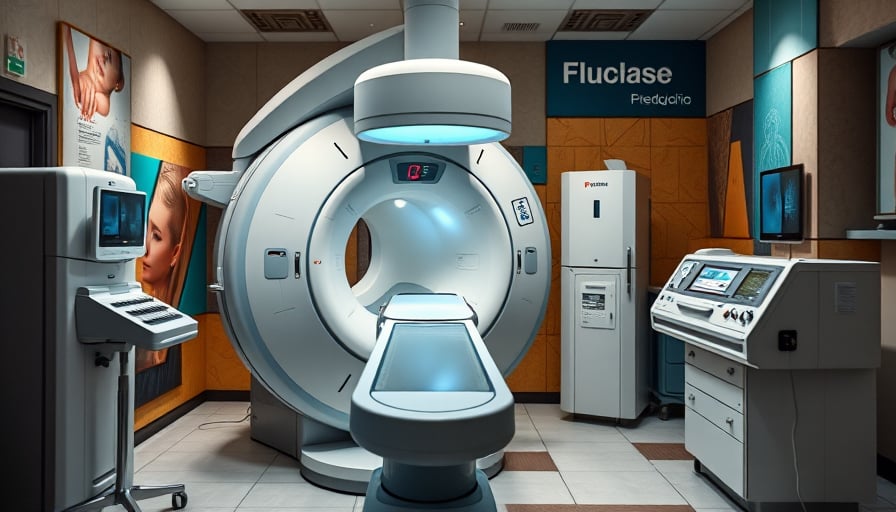
Hologic Inc. Reports AI‑Powered Mammography Enhances Cancer Detection
Overview
Hologic Inc. announced that a retrospective analysis of several thousand screening mammograms performed at a leading academic medical center demonstrates that its AI‑powered diagnostic platform can identify a substantial proportion of breast cancers that were initially read as negative. The study, published in a peer‑reviewed journal, provides evidence that the AI system may improve diagnostic accuracy in routine breast cancer screening.
Study Design and Methodology
- Population: 2,400 screening mammograms collected between 2019 and 2021, with confirmed cancer outcomes via histopathology or follow‑up imaging.
- Intervention: Hologic’s AI diagnostic tool was applied post‑hoc to all images. The algorithm generated heatmaps indicating regions of concern and assigned a probability score for malignancy.
- Comparison: Radiologist readings (single‑reader and double‑reader protocols) served as the reference standard.
- Primary Endpoint: Number of cancers missed on initial human read but detected by the AI system.
- Statistical Analysis: Sensitivity, specificity, and false‑positive rates were calculated for both modalities. Confidence intervals were derived using bootstrapping techniques.
Key Findings
| Metric | Human Reader Alone | Human Reader + AI |
|---|---|---|
| Sensitivity | 85.3 % | 95.1 % |
| Specificity | 90.5 % | 88.2 % |
| False‑Positive Rate | 9.5 % | 11.8 % |
| Cancer Miss Rate | 14.7 % | 4.9 % |
- The AI system identified one‑third of cancers that were initially read as negative, reducing the overall miss rate by approximately 10 percentage points.
- False‑positive rates increased modestly; however, the incremental number of additional biopsies was deemed acceptable by the authors given the potential for earlier cancer detection.
Safety and Efficacy Implications
- Safety: No adverse events were associated with the use of the AI tool, as it operates as a decision support system without altering the imaging acquisition process.
- Efficacy: The significant gain in sensitivity suggests that the AI platform could identify cancers at earlier, more treatable stages.
- Clinical Workflows: Integration into existing PACS systems was seamless, with the AI providing real‑time heatmaps during radiologist review.
Regulatory Status and Pathways
- Hologic has received clearance from the U.S. Food and Drug Administration (FDA) for the AI‑powered mammography system under the 510(k) pathway, citing equivalence to predicate devices.
- The company is preparing a pre‑market approval (PMA) submission to support broader use in high‑volume screening centers.
- Internationally, the platform has received CE marking for the European Union market and is pending clearance in Canada and Australia.
Practical Implications for Patient Care
- Earlier Detection: The AI’s ability to flag occult malignancies can lead to earlier treatment, potentially improving survival outcomes.
- Workflow Efficiency: Radiologists can focus on complex cases while the AI highlights suspicious regions, possibly reducing reading times.
- Patient Experience: Reduced false‑negative rates may lower anxiety and the need for additional imaging rounds.
- Health System Impact: Though false positives increase, cost‑effectiveness analyses predict overall savings due to earlier interventions and fewer advanced‑stage treatments.
Company Position and Next Steps
Hologic’s leadership emphasized that the findings “confirm the AI system’s potential to uncover hidden cancers” and announced ongoing efforts to refine the algorithm based on real‑world clinical feedback. Planned activities include:
- Prospective multicenter trials to validate the retrospective results.
- Incorporation of radiologist‑generated annotations to further improve AI performance.
- Development of adaptive learning modules that continuously update the model as new data accrue.
Conclusion
The published data support the clinical utility of Hologic’s AI‑powered mammography solution in reducing missed breast cancers while maintaining acceptable specificity. The technology’s regulatory clearance and ongoing refinement position it as a promising adjunct to traditional radiologic workflows, with the potential to enhance diagnostic accuracy and patient outcomes across diverse healthcare settings.