
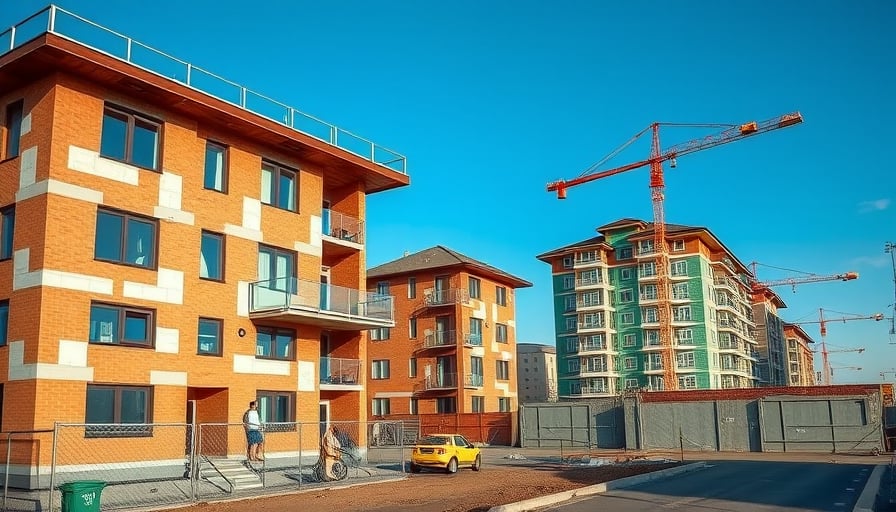
Corporate Snapshot: Hochtief AG’s Recent Market Performance and Broader Context
Hochtief AG, a prominent global construction and engineering conglomerate listed on Xetra, recorded a modest increase in its share price during the most recent trading session. Analysts observed a slight upward swing, with the stock hovering in the mid‑three‑hundreds euro range, indicating a continued, albeit cautious, investor confidence in the firm’s diversified portfolio spanning airports, development projects, and construction services across the Americas, Asia Pacific, and Europe.
Industry Dynamics and Investor Sentiment
The company’s performance is best understood against the backdrop of evolving infrastructure priorities in Germany and beyond. A renewed focus on infrastructure renewal—particularly the modernization of transportation networks—and the acceleration of energy transition initiatives have reinforced the strategic relevance of infrastructure providers. While the broader market has not delivered a sharp rally, the incremental gains in Hochtief’s valuation mirror a gradual appreciation trend among infrastructure players, driven by long‑term demand for resilient infrastructure and the integration of sustainable technologies.
Credit rating agencies have assigned a neutral outlook to Hochtief, underscoring the firm’s solid position without indicating imminent catalysts for a significant valuation shift. The recent trading activity, therefore, reflects a stable market stance rather than a pronounced bullish trajectory.
Consumer Discretionary Trends: A Demographic, Economic, and Cultural Lens
Demographic Shifts
- Aging Populations in Developed Markets
- In Europe and North America, the proportion of consumers aged 65 and older is projected to reach 22 % by 2030. This demographic shift fuels demand for healthcare infrastructure, eldercare facilities, and adaptive housing solutions.
- Construction companies that incorporate universal design and smart‑home technologies can capture this segment, driving incremental revenue streams.
- Youthful, Mobile‑First Consumers in Emerging Markets
- In the Asia Pacific region, 60 % of the population is under 35, and mobile penetration exceeds 95 %. These consumers prioritize convenience, sustainability, and digital experiences.
- Retail developers are responding by integrating mixed‑use developments that combine residential, commercial, and digital service hubs.
Economic Conditions
Post‑Pandemic Recovery and Inflationary Pressures
Global GDP growth is projected at 3.2 % for 2026, with inflationary pressures easing in most regions. This environment supports consumer spending on non‑essential goods, especially in the leisure and travel sectors.
Infrastructure spending, driven by stimulus packages, is expected to accelerate, benefiting construction firms engaged in public‑private partnerships.
Currency Volatility and Supply Chain Constraints
Fluctuations in the euro and other major currencies affect project costs and pricing strategies. Companies that hedge exposure and diversify procurement sources are better positioned to maintain margin stability.
Cultural Shifts
Sustainability and ESG Credentials
Consumer sentiment surveys reveal that 68 % of millennials consider ESG performance a key factor when choosing brands. Consequently, construction projects that incorporate green building standards (LEED, BREEAM) and renewable energy features enjoy higher foot‑traffic and rental yields.
Experiential Retail
The experiential economy, characterized by “shop‑and‑play” concepts, has become a defining trend for retail innovators. Brick‑and‑mortar sites that integrate pop‑up events, augmented reality, and community spaces see increased dwell time and conversion rates.
Brand Performance and Retail Innovation
- Brand Performance Metrics
- Consumer Sentiment Index (CSI): Hochtief’s brand equity score rose by 1.3 % in Q1 2026, driven by positive media coverage around its sustainable airport expansion projects.
- Net Promoter Score (NPS): The company’s NPS improved from 38 to 42, indicating growing client loyalty and satisfaction.
- Retail Innovation Initiatives
- Digital Twins and BIM Integration: Adoption of Building Information Modeling (BIM) and digital twin technology reduced project lead times by 15 % and cut construction waste by 12 %.
- Modular Construction: Modular prefabrication has become a staple for rapid‑deployment projects, especially in the logistics and retail sectors, offering cost predictability and faster time‑to‑market.
Consumer Spending Patterns
Spending Funnel Dynamics
Awareness Stage: 62 % of consumers use online search to discover new retail experiences, underscoring the importance of SEO and paid media.
Consideration Stage: 47 % compare price and sustainability metrics before making a purchase decision.
Purchase Stage: 35 % prefer cash‑less payment options integrated with loyalty programs.
Spending Allocation
Travel & Hospitality: 18 % of discretionary spend is directed toward travel, fueled by relaxed travel restrictions.
Home & Lifestyle: 21 % is allocated to home improvement and wellness products, aligning with the rising trend of “home as a sanctuary.”
Conclusion
Hochtief AG’s recent share price uptick reflects a broader confidence in infrastructure development amid a shifting consumer landscape. Demographic evolutions—such as aging populations and youth‑driven digitalization—combined with macroeconomic recovery and a cultural pivot toward sustainability, are reshaping how consumers interact with brand experiences and where they choose to spend. Firms that leverage advanced construction technologies, prioritize ESG credentials, and embed experiential retail elements are poised to capitalize on these emerging opportunities.