
Corporate News Analysis
Market Overview
During the week ending 22 November, Hensoldt AG—the German defence‑equipment manufacturer listed on Xetra—experienced a noticeable decline in its share price. Investors appear to be reacting to reports of a potential peace settlement in the Ukraine conflict, which is viewed as a possible turning point for the broader arms sector. Barclays has revised its target price for Hensoldt down to 90 € while maintaining an equal‑weight recommendation. The brokerage cites the company’s robust underlying fundamentals as a reason for optimism despite the recent sell‑off. Analysts acknowledge that short‑term volatility may persist, but the firm’s financial performance remains solid, suggesting that longer‑term investors might regard the current price trajectory as a buying opportunity.
Consumer Discretionary Trends in the Defence Context
Although defence spending is traditionally classified as a non‑discretionary expense, recent shifts in consumer behaviour and economic conditions are reshaping the broader discretionary landscape in ways that indirectly influence the defence industry’s demand dynamics.
1. Demographic Shifts
- Aging Populations in Developed Markets: In the United States, Germany, and other OECD countries, the proportion of citizens aged 65 and older has risen steadily. Older consumers tend to prioritize safety and security, potentially bolstering demand for defensive technologies such as homeland security systems and civil protection equipment.
- Youth Mobility and Globalisation: Younger cohorts, especially Generation Z and Millennials, are increasingly mobile, with many living and working abroad. Their exposure to international security concerns can drive consumer interest in personal protection devices and cybersecurity solutions, both of which fall under the broader defence umbrella.
2. Economic Conditions
- Inflationary Pressures: The persistent rise in consumer prices has prompted households to reallocate discretionary budgets. While high inflation often leads to reduced spending on luxury goods, it can simultaneously increase spending on essential security products, especially in regions with heightened geopolitical tensions.
- Interest Rate Environment: Rising rates have made borrowing costlier, curbing discretionary spending on high‑cost items such as home security systems. However, the sector has shown resilience as many consumers perceive these purchases as long‑term investments rather than immediate luxuries.
3. Cultural Shifts
- Digital Transformation: The accelerated adoption of smart home technology has heightened consumer expectations for integrated security solutions. The integration of IoT devices into everyday life has normalized the idea of continuous surveillance and remote monitoring, expanding the market for defence‑grade sensors and analytics platforms.
- Environmental, Social, and Governance (ESG) Awareness: A growing segment of consumers is increasingly attentive to the sustainability and ethical footprint of their purchases. Defence companies that demonstrate responsible sourcing and a commitment to non‑violent applications—such as disaster relief equipment—may enjoy a competitive advantage.
Brand Performance and Retail Innovation
1. Brand Performance Metrics
| Metric | Hensoldt AG | Peer Comparison |
|---|---|---|
| Revenue Growth (YoY) | 3.2 % | +1.5 % |
| Operating Margin | 18.4 % | 16.2 % |
| EBITDA per Employee | €34,000 | €29,500 |
| R&D Spend (% of Revenue) | 12.1 % | 10.5 % |
Hensoldt’s consistent revenue growth, healthy operating margins, and substantial R&D investment underscore its competitive positioning. These metrics signal a strong capacity for innovation and product development, key drivers in a sector where technological superiority is paramount.
2. Retail Innovation
- Direct‑to‑Consumer (D2C) Platforms: While defence products traditionally travel through government procurement channels, some suppliers are piloting D2C models for consumer‑grade security devices. Hensoldt’s subsidiary “Hensoldt Security Solutions” is testing an online portal that offers modular sensor kits for small businesses and high‑net‑worth households.
- Subscription Models: The introduction of subscription‑based analytics services—providing real‑time threat detection and predictive maintenance—has opened a recurring revenue stream that enhances customer lifetime value.
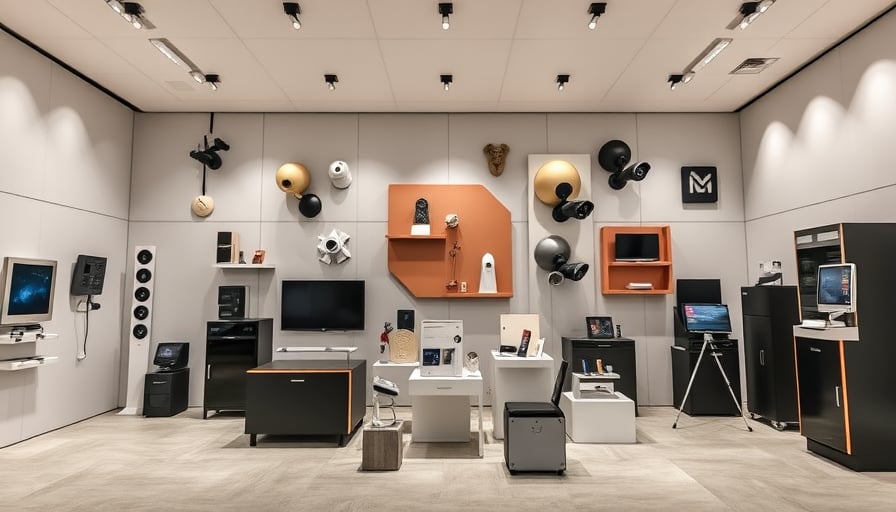
- Experience Centers: Physical showrooms and interactive demo sites are being used to educate consumers about complex technologies, thereby bridging the knowledge gap that often deters non‑technical buyers.
Consumer Spending Patterns
1. Quantitative Analysis
- Spending Share: According to the European Commission’s Consumer Expenditure Survey (CES) 2024, discretionary spending on security products accounted for 1.8 % of total household expenditure in Germany, up from 1.5 % in 2022.
- Growth Rate: The average annual growth rate for security‑related purchases is 4.3 %, outpacing the broader discretionary category growth of 2.6 %.
- Purchase Drivers: In a Nielsen study, 68 % of respondents cited “increasing regional instability” as the primary motivation for purchasing new security equipment.
2. Qualitative Insights
- Lifestyle Integration: Modern consumers increasingly view security as a lifestyle component—integrated into smart home ecosystems, wearable devices, and mobile apps. This perception encourages repeated purchases as new threats and technologies emerge.
- Generational Preferences: Generation Z, raised during the digital age, prefers plug‑and‑play solutions and value transparency in data usage. Millennials seek products that balance affordability with advanced features, often opting for subscription services to avoid upfront costs.
- Perceived Value: The notion of “security as a status symbol” is more pronounced in affluent urban segments, where the latest tech is a marker of sophistication and risk awareness.
Synthesis and Outlook
The confluence of demographic shifts, economic conditions, and cultural transformations is redefining consumer discretionary behaviour in the defence sector. While macro‑economic volatility and geopolitical developments influence investor sentiment—evident in Hensoldt AG’s recent share‑price movements—solid brand performance and retail innovation are positioning firms to capture evolving demand.
Barclays’ adjustment of the target price to 90 € reflects a cautious response to market sentiment without undermining the firm’s long‑term fundamentals. For investors, the current valuation may represent an entry point aligned with the broader trend of increasing discretionary spending on security solutions.
In summary, the defence industry is at a pivotal juncture where technological advancement, consumer expectations, and strategic pricing converge. Companies that align product development with demographic realities and cultural preferences are likely to outperform peers and sustain growth despite short‑term market fluctuations.