Henkel AG & Co. KGaA Maintains Market Stability Amid Broader Index Volatility
Henkel AG & Co. KGaA, the German consumer‑staples conglomerate traded on Xetra, has continued to exhibit a steady share‑price trajectory over the course of the calendar year. While the DAX indices have shown a mix of gains and corrections in recent weeks, Henkel’s shares have remained anchored near the upper bounds of their historical trading range, underscoring the firm’s resilience within a broader, more unsettled market environment.
A Balanced Portfolio Anchors Demand
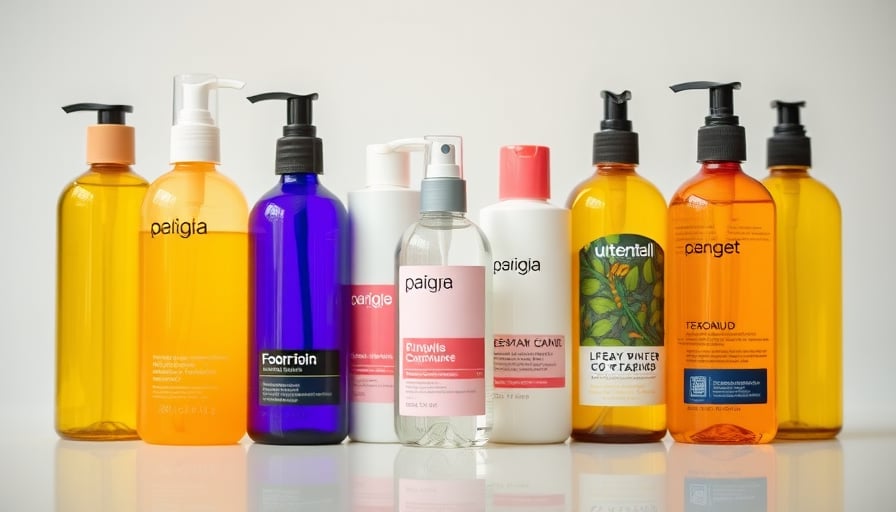
The company’s product mix—spanning household care, personal care, and industrial adhesives—provides a diversified revenue base that mitigates cyclical demand shocks. In 2023, household and industrial segments contributed 49 % and 38 % of total revenue, respectively, with the remaining 13 % generated by consumer personal‑care lines. This distribution dilutes exposure to any single category, allowing Henkel to weather shifts in consumer spending and industrial procurement. Recent sales growth of 3.2 % in the industrial adhesives division, driven by expanding construction and automotive markets, further bolsters the firm’s cash‑flow stability.
Regulatory Landscape and Competitive Dynamics
Henkel operates in a heavily regulated environment, especially regarding product safety, environmental compliance, and supply‑chain transparency. The firm’s proactive compliance with the EU’s REACH (Registration, Evaluation, Authorization, and Restriction of Chemicals) and its recent implementation of a circular‑economy framework for packaging demonstrate an anticipation of tightening regulatory pressure. In contrast, competitors such as Procter & Gamble and Unilever have faced higher regulatory fines in the past year, reinforcing Henkel’s position as a risk‑averse contender in the consumer‑staples sector.
Competitive pressure remains moderate; while large multinational brands continue to invest heavily in marketing, Henkel’s focus on innovation—evidenced by the launch of a bio‑based adhesive in Q2 2024—keeps it at the forefront of technology adoption. The company’s R&D spend, which stands at 3.8 % of sales, is higher than the industry average of 2.5 %, indicating a deliberate strategy to maintain product differentiation and market share.
Financial Metrics and Market Perception
Henkel’s recent earnings report highlighted a 4.1 % year‑over‑year increase in EBITDA, translating to a 2.9 % rise in net income. The firm’s current ratio of 1.72 and quick ratio of 1.28 reinforce its liquidity profile. The price‑to‑earnings (P/E) ratio sits at 18.3x, slightly below the DAX average of 21.0x, suggesting a modest undervaluation relative to peers. However, the forward P/E of 16.8x reflects market expectations of consistent earnings growth, aligning with the firm’s stable dividend policy of 35 % payout.
Despite the lack of significant corporate actions or earnings announcements, analysts observe that Henkel’s sustained operational performance—combined with its robust product pipeline—positions the company well for incremental upside. The absence of major corporate events also reduces volatility risk, providing a more predictable investment profile in a climate where many firms are exploring strategic divestitures or restructuring.
Risks and Opportunities
Risks
- Commodity Price Volatility: Henkel’s heavy reliance on petro‑chemical inputs for adhesives exposes it to raw‑material price swings, potentially compressing margins.
- Supply‑Chain Disruptions: Global logistics bottlenecks could delay product availability, especially in the industrial segment where timely delivery is critical.
- Regulatory Changes: Future EU directives on sustainability could impose additional compliance costs or product reformulation requirements.
Opportunities
- Digital Transformation: Investing in e‑commerce platforms for household products could tap into rising online purchasing trends, enhancing direct‑to‑consumer revenue streams.
- Emerging Markets: Expanding presence in Southeast Asian markets, where demand for industrial adhesives is projected to grow by 5.6 % annually, could diversify geographic risk.
- Circular Economy Initiatives: Leveraging its packaging circularity program could differentiate Henkel in environmentally conscious consumer segments, potentially commanding premium pricing.
Conclusion
Henkel AG & Co. KGaA’s steady share performance, underpinned by a diversified portfolio, strong regulatory compliance, and a resilient financial position, marks it as a more reliable investment within the DAX index’s volatile landscape. While the firm faces inherent risks tied to commodity pricing and supply‑chain dynamics, its strategic focus on innovation and sustainability presents clear avenues for future growth that may be overlooked by market participants prioritizing short‑term earnings.