Corporate News
Heineken Holding N.V. has announced further progress in its share‑buyback programme, which was initially disclosed in February. The latest update covers the second tranche, part of a total buy‑back plan capped at roughly €750 million. Between 23 and 27 March, the company repurchased a substantial number of shares on the exchange, bringing the cumulative shares bought back in this tranche to nearly half a million. The repurchases are being tracked and reported weekly on the company’s investor website, giving shareholders a transparent view of the programme’s pace.
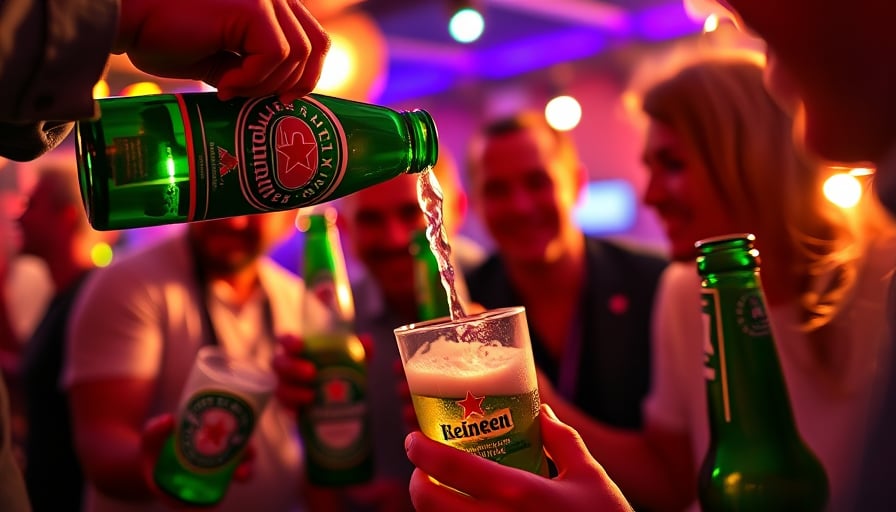
In parallel with the financial activity, Heineken Holding has been promoting a new experiential technology at the Coachella Valley Music & Arts Festival. The company unveiled a smartband called “The Clinker” that wraps around its bottles and glasses. When two consumers clink their devices, a light indicates a musical match, allowing them to connect via a web application. The launch follows the earlier introduction of the “Fans Have More Friends” platform, which aims to deepen fan engagement at major cultural events. The technology is available exclusively at Heineken House during the festival, and interested participants must pre‑register for the device.
These developments illustrate the company’s dual focus on shareholder value through disciplined capital‑return measures and brand innovation that seeks to strengthen consumer relationships. The share‑buyback programme continues to advance, while the Coachella initiative expands Heineken’s presence in experiential marketing and fan connectivity.
Editorial Analysis
Digital‑Physical Synergy in the Consumer Experience
Heineken’s simultaneous execution of a disciplined financial strategy and a high‑tech experiential campaign underscores a growing corporate trend: the convergence of digital transformation and physical retail. While the buy‑back programme reinforces shareholder confidence—a key factor for attracting institutional investment—its transparency, updated weekly on the investor portal, also signals a shift towards open, data‑driven governance. Investors increasingly demand real‑time insight into capital allocation, especially in a period where environmental, social, and governance (ESG) considerations dominate asset‑allocation decisions.
In the experiential arena, “The Clinker” demonstrates how consumer‑centric technology can bridge the gap between a physical product and a digital network. The device leverages the social nature of music festivals, turning a simple bottle clink into a point of contact and a gateway to a broader digital ecosystem. This approach aligns with the broader trend of “experience economy” growth, where brands monetize immersive interactions rather than merely selling goods.
Generational Spending Patterns and Cultural Connectivity
The Coachella initiative targets a demographic that values authenticity, community, and instant digital connectivity. Millennials and Gen Z, who now command a larger share of discretionary spending, often seek brands that facilitate social bonds. By enabling a shared, music‑driven experience, Heineken taps into the “experience premium” that younger consumers are willing to pay for. Furthermore, the pre‑registration requirement creates a data pipeline: Heineken can collect demographic and behavioural insights that feed into future product positioning and marketing strategies.
The “Fans Have More Friends” platform, launched earlier, already points to Heineken’s understanding of the power of network effects. By creating a digital layer over a physical event, the brand moves beyond traditional advertising into participatory culture. Such strategies can translate into higher lifetime value per customer, as brand loyalty is cultivated through meaningful interaction.
Market Opportunities and Strategic Implications
Capital Allocation and Shareholder Value The buy‑back programme, capped at €750 million, signals confidence in Heineken’s earnings power and a belief in undervaluation. For investors, a transparent, weekly update schedule reduces uncertainty and can improve price‑to‑earnings ratios. As more companies adopt similar disclosure practices, industry standards may shift toward real‑time financial reporting, influencing how corporate governance is evaluated.
Experiential Innovation as a Revenue Driver The integration of smart hardware (“The Clinker”) with a cloud‑based social app creates a new revenue channel. Heineken could monetize data, sell premium experiences, or partner with third‑party event organisers. As consumers increasingly reward brands that offer memorable moments, experiential initiatives may become a core component of the consumer goods sector’s growth strategy.
Cross‑Segment Synergies The same technology could be adapted for other retail touchpoints, such as in‑store kiosks or online communities, creating a unified brand experience across channels. By leveraging the same digital platform, Heineken can reduce marginal costs while amplifying brand reach.
Demographic Targeting The focus on music festival culture indicates a strategic alignment with younger, socially connected audiences. As older generations become more digitised, the experiential model can be expanded to other cultural events—sporting, theatrical, or virtual reality—ensuring a diversified portfolio of engagement opportunities.
Forward‑Looking Outlook
The confluence of disciplined capital returns and digital‑physical engagement positions Heineken at the intersection of two powerful forces: shareholder expectations and evolving consumer lifestyles. Companies that emulate this dual strategy—combining financial prudence with immersive, data‑driven customer experiences—are likely to reap competitive advantages in a marketplace where trust, transparency, and experiential value are paramount.
As the industry continues to navigate post‑pandemic realities, the lessons from Heineken’s approach will resonate across sectors. Firms that can articulate a clear value proposition to both investors and consumers, while harnessing technology to deepen brand affinity, will be best positioned to thrive in a dynamic, consumer‑centric economy.