Corporate News Analysis
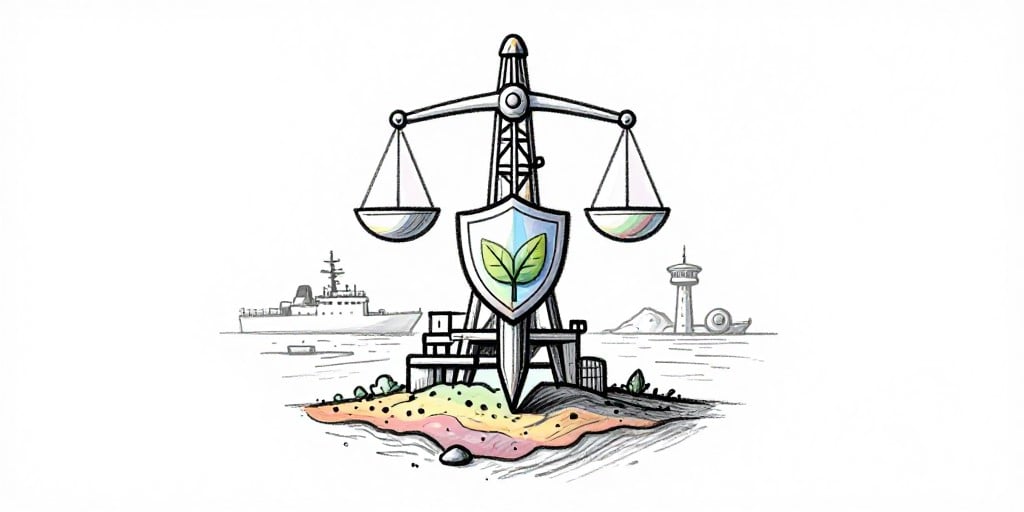
Halliburton Co. sits at the confluence of several strategic currents that are shaping its future trajectory. The company’s activities span defense procurement, advanced technology deployment, and environmental stewardship—each domain presenting distinct drivers and risks that collectively inform its market performance.
1. Defense Sector Dynamics
1.1 Indian Market Opportunity
- Domestic Manufacturing Growth: Indian authorities have underscored significant upside in local defense production, citing an expanding industrial base and government incentives for indigenous technology.
- Hindustan Aeronautics Limited (HAL): Identified as a key beneficiary, HAL’s involvement in the Light Combat Aircraft (LCA) Mk‑1A programme underscores the broader push for self-reliance in advanced aeronautics.
1.2 Technical Progress on the LCA Mk‑1A
- Engine-Related Issues: Recent reports indicate that technical challenges—predominantly engine performance—have been largely mitigated.
- Resolution Timeline: Expected resolution within the next two months, paving the way for imminent aircraft deliveries.
- Strategic Implication for Halliburton: As a supplier of specialized engineering solutions, Halliburton’s engagement in this program positions it favorably within a high-value defense ecosystem, potentially expanding its portfolio in aerospace and advanced propulsion systems.
2. Commercialization of Deep‑Borehole Technologies
2.1 Pilot Collaboration
- Partners: Amentum, NAC International, and Halliburton co‑lead a deep‑borehole commercialization pilot.
- Objective: Enable advanced waste disposal solutions, aligning with regulatory shifts toward safer, long‑term subsurface containment.
2.2 Market Context
- Regulatory Environment: Increasingly stringent waste management mandates are driving demand for secure disposal pathways.
- Competitive Positioning: Halliburton’s expertise in drilling and subsurface operations confers a technological advantage over traditional waste handling firms.
3. Environmental Stewardship and Climate Mitigation
3.1 Legacy Well Scrutiny
- Methane Emissions: Halliburton, a traditional drilling-services provider, faces pressure over legacy wells that contribute to greenhouse gas releases.
- Industry Trend: Similar concerns are echoed across the oil and gas sector, where decommissioning and environmental compliance are becoming cost drivers.
3.2 Innovative Repurposing Strategies
- Carbon Capture & Storage (CCS): Transforming abandoned wells into carbon capture sites presents a dual benefit—reducing emissions and creating new revenue streams.
- Renewable Projects: Repurposed sites can host wind or solar installations, diversifying the company’s asset portfolio and aligning with broader decarbonization mandates.
3.3 Impact on Asset Management
- Asset Revaluation: The potential shift from legacy liabilities to environmentally positive assets may influence balance-sheet dynamics.
- Risk Mitigation: Proactive engagement in remediation projects could mitigate regulatory fines and enhance corporate reputation.
4. Financial Implications
4.1 Defence Contracts Exposure
- Positive Catalysts: Inclusion in defense‑related investment themes is anticipated to bolster investor sentiment and support share price resilience.
- Revenue Streams: Defense projects typically offer higher margins and longer contract cycles, contributing to earnings stability.
4.2 Regulatory Headwinds
- Operational Adjustments: Compliance costs related to environmental remediation and waste disposal regulations may strain short‑term profitability.
- Capital Allocation: Funds earmarked for repurposing activities could divert capital from traditional drilling operations, affecting near‑term cash flow.
4.3 Market Outlook
- Balanced Assessment: While defense procurement provides a robust revenue base, emerging environmental responsibilities introduce uncertainty that may temper growth expectations in the near term.
- Strategic Focus: A disciplined approach to integrating advanced technology deployment with environmental remediation is essential for sustaining long‑term value.
5. Broader Economic Linkages
- Defense‑Infrastructure Synergy: The intersection of defense procurement and infrastructure investment reflects a broader trend of strategic public‑private partnerships.
- Technology Transfer: Innovations in deep‑borehole technology have cross‑industry applicability, extending benefits to utilities, mining, and environmental services.
- Climate Policy Integration: The shift toward carbon-neutral asset portfolios aligns with global economic trends favoring sustainability‑oriented capital allocation.
Conclusion
Halliburton’s strategic positioning at the nexus of defense, advanced technology, and environmental responsibility underscores a complex value proposition. The company’s ability to navigate technical, regulatory, and market challenges—while capitalizing on emerging opportunities—will determine its competitive stance in the evolving corporate landscape.