Halliburton Co. Maintains Competitive Edge Amid Energy Market Volatility
Halliburton Co. (NYSE: HAL) released its latest operational update, underscoring a sustained focus on core energy services and technology solutions while actively pursuing growth opportunities in adjacent markets. The company’s leadership announced the appointment of senior executives to oversee key functional areas, reinforcing its commitment to a robust management structure that can navigate the complex dynamics of the global energy sector.
Operational Resilience in a Volatile Landscape
Despite heightened market volatility, Halliburton’s operating income remained largely unchanged, driven by disciplined cost control and the successful execution of long‑term service contracts. The firm highlighted its continued investment in research and development (R&D) to accelerate product innovation, a strategy that supports both traditional oil & gas operations and emerging renewable energy technologies. Cash flow and liquidity metrics were reported as healthy, enabling ongoing capital deployment into high‑impact projects and infrastructure upgrades.
Regulatory and Environmental Stewardship
Halliburton reiterated its adherence to industry‑wide safety standards and environmental regulations. The company detailed a multi‑pronged approach to compliance, including the adoption of advanced monitoring technologies, enhanced training programs, and a transparent reporting framework aligned with global sustainability indices. These initiatives are designed to mitigate regulatory risk while positioning Halliburton as a responsible steward of the natural resource sector.
Strategic Partnerships and Market Expansion
The firm outlined several joint ventures and strategic alliances that have broadened its geographic reach, particularly in emerging markets where upstream activity is accelerating. By partnering with local operators and technology providers, Halliburton leverages shared expertise and capitalizes on synergies in drilling, completion, and digital asset management. This collaborative model has proven effective in capturing new revenue streams while distributing operational risk across diverse market environments.
Alignment with Energy Transition Trends
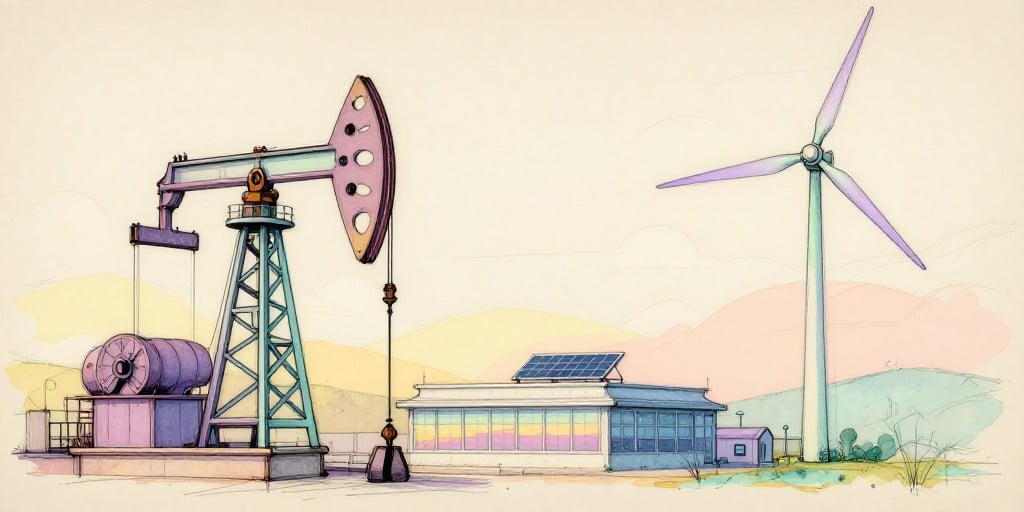
Halliburton’s investment portfolio now includes a growing emphasis on renewable energy support services, such as battery storage integration, grid‑scale solutions, and carbon capture & storage (CCS) platforms. The company’s technology division is actively developing tools to optimize the performance of hybrid energy systems, ensuring that traditional hydrocarbon services remain relevant as the global energy mix shifts toward lower‑carbon alternatives.
Market‑Driven Implications
- Commodity Prices: Fluctuations in crude oil and natural gas prices continue to influence demand for drilling and completion services. Halliburton’s long‑term contracts provide a buffer against short‑term price swings.
- Supply‑Demand Fundamentals: Rising demand for renewable infrastructure in high‑growth regions has increased the need for specialized drilling, decommissioning, and maintenance services—sectors where Halliburton has a proven track record.
- Technological Innovation: Advances in digital twins, AI‑driven predictive maintenance, and autonomous rigs are reshaping operational efficiency. Halliburton’s investment in R&D positions it to capitalize on these developments.
- Regulatory Impact: Stringent emissions regulations and ESG reporting requirements are reshaping capital allocation. Halliburton’s proactive compliance strategy mitigates exposure to potential fines and reputational risk.
Conclusion
Halliburton Co. continues to demonstrate operational resilience, strategic agility, and regulatory prudence in a rapidly evolving energy marketplace. By maintaining a balanced focus on traditional services and renewable energy support, the company is well positioned to navigate both short‑term trading dynamics and the long‑term trajectory of the global energy transition.