Corporate News Analysis – Halliburton Co.
Overview of Recent Earnings and Strategic Direction
Halliburton Co. announced its latest earnings, underscoring a sustained upward trajectory in key service segments. Management highlighted continued growth in exploration and production (E&P) support services, a response to the heightened demand for upstream activities in both conventional and unconventional hydrocarbon plays. The company’s emphasis on operational efficiency—through streamlined processes across its global footprint—suggests a deliberate effort to optimize cost structures amid volatile commodity cycles.
Strategic initiatives include the integration of advanced technologies to enhance service delivery and the deepening of client relationships via customized solutions. Halliburton’s leadership has reiterated a commitment to balancing profitability with responsible resource stewardship, aligning with broader industry expectations for sustainability and risk management.
Energy Market Context
Supply‑Demand Fundamentals
- Crude Oil and Natural Gas Prices: In the past quarter, West Texas Intermediate (WTI) crude traded between $82 and $89 per barrel, reflecting the interplay of OPEC+ production decisions, U.S. shale output, and geopolitical tensions in key supply regions. Natural gas spot prices in Henry Hub ranged from $4.20 to $5.60 per MMBtu, driven by weather‑related demand spikes and supply constraints in the Gulf of Mexico.
- E&P Service Demand: Higher oil prices typically correlate with increased drilling activity. Halliburton’s service revenue uptick aligns with a 5% YoY rise in drilling rigs operating in the Permian Basin and the Marcellus Shale, indicating robust upstream investment.
Technological Innovations
- Digitalization: Halliburton has accelerated digital initiatives, incorporating real‑time data analytics and predictive maintenance tools. These innovations reduce downtime and improve asset utilization—critical in a market where marginal oil is increasingly attractive.
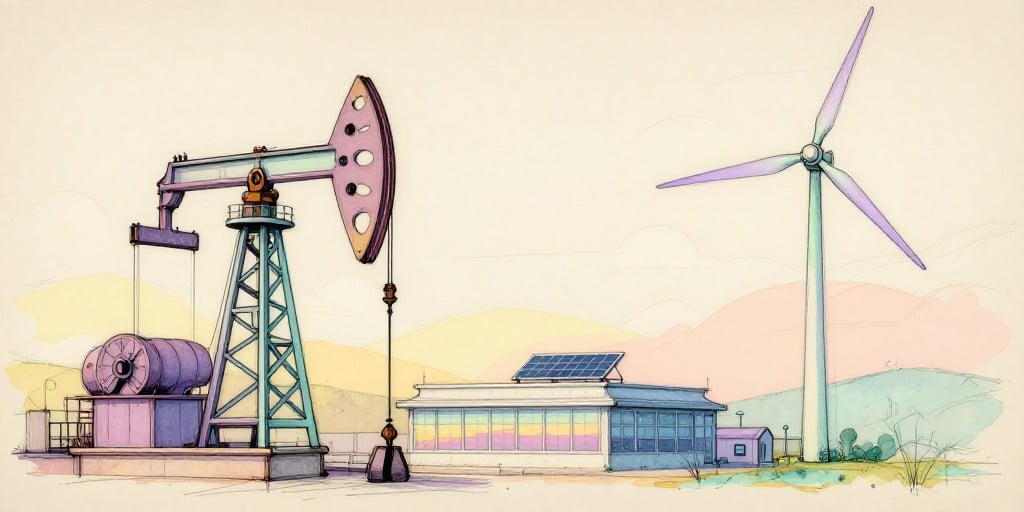
- Energy Storage and Renewables: While Halliburton’s core portfolio remains upstream, the firm is exploring partnerships to provide integration services for hybrid power plants, leveraging its expertise in pipeline and infrastructure management to support battery storage and renewable dispatch.
Regulatory Landscape
- Carbon Pricing and Emissions Regulations: The U.S. Inflation Reduction Act, effective from 2023, introduced a 15% carbon fee for high‑carbon projects. Halliburton’s investment in low‑carbon services—such as CO₂ sequestration and methane capture—positions it to capitalize on emerging markets and mitigate regulatory exposure.
- Environmental, Social, and Governance (ESG) Expectations: Investor mandates increasingly favor companies with transparent ESG disclosures. Halliburton’s focus on sustainability and workforce development aligns with these expectations, potentially enhancing its access to capital and investor confidence.
Infrastructure Developments
Halliburton announced a new joint venture to expand its pipeline maintenance capabilities in the Gulf of Mexico, a region experiencing growing infrastructure demand due to increased LNG export projects. Additionally, the firm secured a contract to support the construction of a 20‑MW solar farm in Texas, integrating its pipeline expertise to streamline the delivery of critical transmission components.
Market Dynamics: Short‑Term vs. Long‑Term
- Short‑Term Trading Factors: Fluctuations in commodity prices, geopolitical events (e.g., Middle East instability), and OPEC+ policy decisions can cause rapid swings in earnings. Halliburton’s focus on operational efficiency serves as a buffer against such volatility, maintaining profitability margins even during price downturns.
- Long‑Term Energy Transition Trends: The gradual shift towards renewable energy and decarbonization creates new service opportunities—such as support for offshore wind farms and energy storage integration. Halliburton’s investment in digital capabilities and sustainability initiatives positions it to capture these emerging markets while diversifying its revenue streams.
Financial Outlook
Management’s confidence in achieving medium‑term financial targets reflects a balanced strategy: leveraging current upstream demand while positioning the company for the long‑term energy transition. Workforce development and digital investments are expected to generate cost synergies and revenue growth, underpinning shareholder value.
Conclusion
Halliburton’s recent disclosures indicate a measured yet proactive approach: sustaining performance in traditional E&P services while strategically expanding into digital and renewable infrastructure sectors. By aligning operational efficiencies with regulatory compliance and technological advancement, the company aims to navigate short‑term market volatility and capitalize on the evolving energy landscape, thereby reinforcing its competitive position and financial resilience.