Holland America Line Accelerates Oosterdam Refurbishment to Capitalise on Shifting Consumer Trends
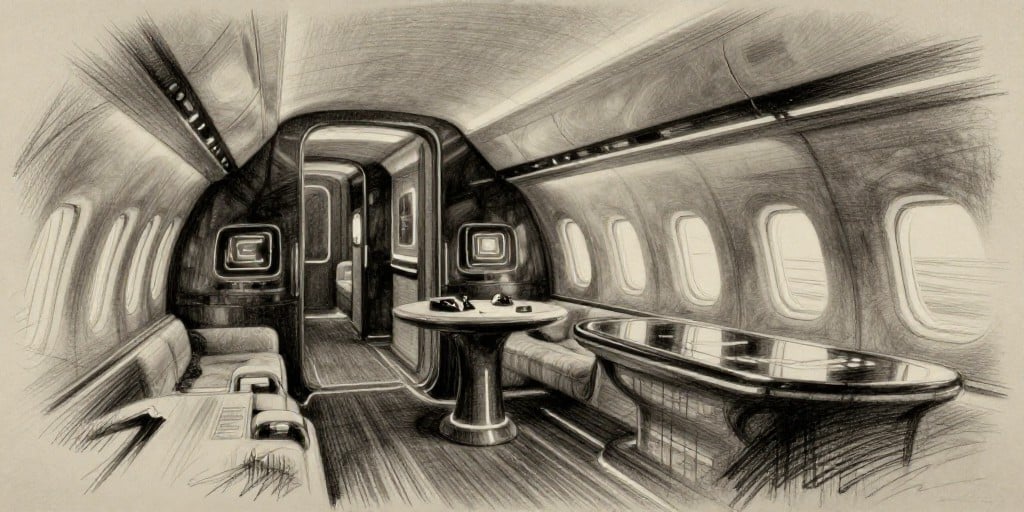
Carnival Corporation’s cruise subsidiary, Holland America Line (HAL), has announced that the refurbishment of its flagship vessel, Oosterdam, will proceed earlier than initially scheduled. The accelerated renovation, taking place in Marseille, enables the company to roll out a series of additional voyages that showcase the upgraded ship. Guests will be able to experience new stateroom and suite categories, a revamped dining venue and a redesigned bar area—all part of HAL’s broader strategy to enhance onboard offerings while maintaining the premium service that has defined the brand for more than a century.
The revised timeline means that several itineraries planned for the first half of 2027 will be replaced by new cruises, extending the vessel’s reach across the Mediterranean, Atlantic and Caribbean. HAL will open sales for the new voyages in early October, allowing travelers to book the post‑renovation experience. The company highlighted that the early launch reflects strong demand for the revamped ship and that HAL remains focused on delivering refined experiences to its guests.
The announcement arrives at a pivotal moment for Carnival Corporation as it continues to expand its portfolio through both organic growth and strategic acquisitions. The parent company’s emphasis on enhancing the guest experience through vessel upgrades aligns with its overall approach to maintaining competitiveness in the global cruise market.
Digital Transformation Meets Physical Retail in the Cruise Experience
The decision to accelerate Oosterdam’s refurbishment is emblematic of a broader trend in the consumer sector, wherein digital engagement and physical service spaces must co‑exist and reinforce one another. Modern travelers—particularly Gen Z and Millennials—expect seamless digital touchpoints that extend into the physical environment. HAL’s investment in upgraded staterooms and dining venues reflects an understanding that the lifestyle experience is as critical as the itinerary itself.
Digital tools are already reshaping pre‑boarding, in‑port interactions, and onboard service delivery. HAL’s new staterooms are being equipped with state‑of‑the‑art connectivity, enabling guests to control lighting, temperature, and entertainment systems via mobile apps. This convergence of physical amenities and digital convenience positions HAL to attract tech‑savvy travelers who value personalization and control over their travel experience.
Generational Spending Patterns and the Rise of Experiential Luxury
Consumer spending data reveal a shift from transactional purchasing to experiential investment, especially among younger demographics. Gen Z and Millennials now allocate a larger share of discretionary income to unique, immersive experiences rather than conventional luxury goods. Cruise lines that can curate distinctive onboard activities—ranging from chef‑curated dining to culturally themed excursions—are likely to capture this market segment.
HAL’s upgraded dining venue, featuring a revamped menu that incorporates global culinary trends, speaks directly to this demand. By offering a diverse array of gastronomic experiences, HAL positions itself not just as a transportation service but as a destination in its own right. This aligns with the broader industry move toward “experience-first” marketing, where the focus shifts from the destination to the quality of the journey.
Cultural Movements Driving Market Opportunities
Several cultural currents are converging to create new opportunities for cruise operators:
| Cultural Movement | Impact on Cruise Strategy | Market Opportunity |
|---|---|---|
| Sustainability consciousness | Implementation of green technologies, carbon‑offset programs, and transparent reporting. | Attraction of eco‑mindful travelers and eligibility for regulatory incentives. |
| Wellness & self‑care trend | Expansion of onboard spa, fitness, and mindfulness programs. | Differentiation through holistic health offerings. |
| Global interconnectedness | Demand for culturally diverse itineraries and authentic local partnerships. | Ability to offer “immersive” experiences that resonate with multicultural travelers. |
| Digital nomadism | Need for robust connectivity and flexible booking options. | Creation of hybrid travel packages that blend cruise itineraries with remote work amenities. |
HAL’s commitment to upgraded amenities dovetails with these cultural trends, allowing the company to capitalize on evolving consumer priorities. For instance, the redesigned bar area can become a hub for curated social experiences, while the new staterooms can be marketed as wellness retreats with integrated smart‑home technology.
Forward‑Looking Analysis: Translating Societal Shifts into Market Advantage
Accelerated Deployment as a Market Signal By advancing the Oosterdam refurbishment, HAL signals confidence in high demand for upgraded experiences. Early deployment mitigates inventory risk and captures revenue during peak booking windows, especially as travel confidence rebounds post‑pandemic.
Digital‑Physical Synergy Enhances Customer Loyalty Seamless integration of digital controls and physical comforts can increase average spend per guest. Personalised itineraries powered by data analytics enable upsell opportunities for premium suites and exclusive experiences.
Targeting the Experience Economy Positioning Oosterdam as a mobile destination allows HAL to appeal to travelers seeking short, high‑value trips. The Mediterranean, Atlantic, and Caribbean itineraries can be curated to highlight regional cultures, tapping into the desire for authentic, culturally rich experiences.
Sustainability as a Differentiator Incorporating green technologies into the refurbishment—such as LED lighting, advanced waste‑management systems, and renewable energy sources—will not only reduce operating costs but also resonate with eco‑conscious consumers, enhancing brand reputation.
Data‑Driven Personalisation Collecting data on guest preferences and behaviours during the Oosterdam’s early voyages will inform future upgrades across the fleet. Predictive analytics can anticipate demand for specific amenities, enabling HAL to proactively adjust inventory and pricing strategies.
Strategic Partnerships and Cross‑Industry Collaboration Collaborating with local tour operators, culinary experts, and wellness brands can deepen the cultural immersion offered aboard Oosterdam. These partnerships create joint marketing opportunities and can expand HAL’s reach into niche markets, such as culinary tourism and wellness travel.
Conclusion
Holland America Line’s decision to expedite Oosterdam’s refurbishment illustrates how cruise operators are aligning physical upgrades with digital innovation to meet the evolving expectations of modern travelers. By responding to generational spending patterns, cultural movements, and the rise of the experience economy, HAL positions itself to capture new market segments while reinforcing its legacy of premium service. For investors and industry observers, the accelerated launch is a clear indicator that the cruise sector is poised to capitalize on the intersection of lifestyle trends, technological integration, and cultural authenticity—key drivers of future growth in the consumer sector.