
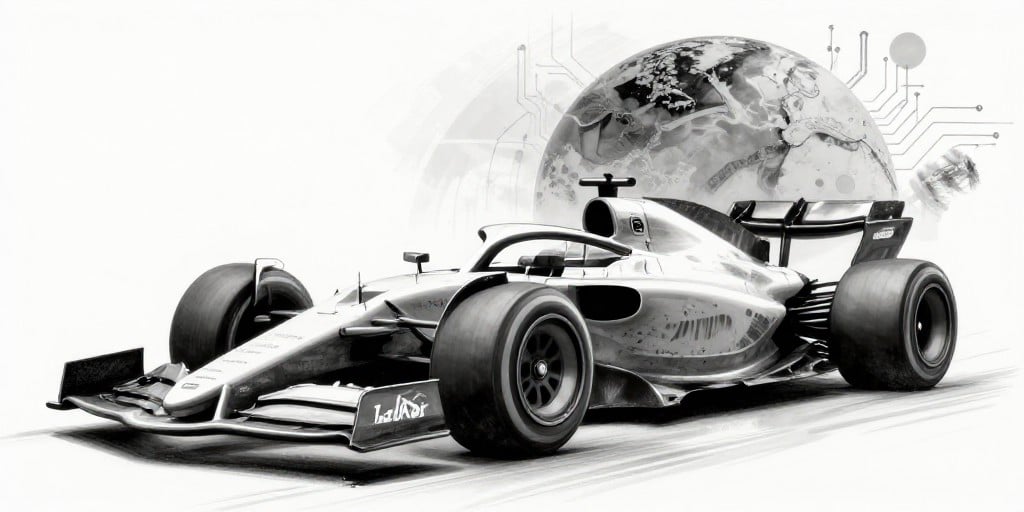
Corporate Analysis: Kering’s Strategic Entry into Formula‑1 Sponsorship
Kering, the parent group of the Gucci fashion house, has announced that from 2027 its French Formula‑1 team will race in the brand’s iconic green, red and gold palette. The partnership signals a deliberate pivot into a sport that offers high‑visibility media coverage, technological prestige, and access to affluent, cosmopolitan audiences.
Business Rationale Behind the Move
- Portfolio Diversification
- Kering’s core revenue streams derive from apparel, footwear, accessories and leather goods, with Gucci accounting for approximately 60 % of group sales in 2023.
- The luxury sector is increasingly subject to macro‑economic cycles; investing in sports sponsorship diversifies the brand’s exposure to a broader consumer base that includes high‑net‑worth individuals who follow motorsport and value technological sophistication.
- Brand Positioning and Equity Enhancement
- Formula‑1 is synonymous with speed, precision, and cutting‑edge engineering—attributes that resonate with luxury consumers seeking status signals beyond traditional fashion.
- By aligning Gucci’s visual identity with the global stage of F1, Kering creates an associative link between its apparel line and the high‑performance ethos of the sport, potentially reinforcing the perceived premium nature of its products.
- Access to Emerging Markets
- The sport’s fan base is highly concentrated in Asia, the Middle East, and North America—regions where Kering has historically lagged behind competitors such as LVMH and Richemont.
- Sponsorship can catalyze demand in these geographies by leveraging local media partnerships, merchandising opportunities, and experiential marketing.
- Synergies with Technological Innovation
- Formula‑1 teams invest heavily in aerodynamics, materials science, and data analytics.
- Potential collaborative research could translate into high‑tech fabrics or smart‑wear solutions for Gucci, offering a tangible product innovation pipeline.
Regulatory and Competitive Landscape
| Aspect | Current State | Implications for Kering |
|---|---|---|
| Sponsorship Fees | 2025 data suggests an average of €20 million per year for a title sponsor in F1, with an additional €5‑10 million for technical partnerships | Kering’s willingness to commit this capital indicates confidence in long‑term ROI, yet the lack of disclosed terms calls for careful scrutiny of financial exposure |
| Marketing Rights | Limited to brand logos on cars, driver apparel, and official merchandise; potential for digital content co‑creation | These rights must be negotiated to avoid dilution of Gucci’s luxury positioning; exclusivity clauses could protect brand integrity |
| Competitive Benchmarking | LVMH’s partnership with Mercedes (2023) and Prada’s historical ties with Ferrari provide a benchmark for return on media exposure and consumer engagement metrics | Kering must evaluate performance metrics against these peers to ensure comparable or superior ROI |
Uncovered Trends and Potential Risks
- Audience Saturation
- Luxury brands are increasingly present on sports platforms. If Kering’s sponsorship does not offer a distinctive narrative—such as a technology‑driven sustainability initiative—there is a risk of the brand blending into the crowded messaging environment.
- Economic Volatility in Motorsports
- The sport’s cost structure has escalated, with teams spending over €200 million annually. Any downturn in sponsorship revenue streams or changes in FIA regulations could compress returns.
- Regulatory Uncertainty
- Emerging environmental regulations targeting carbon emissions in motorsports may force teams to adopt alternative fuels or hybrid technologies. Kering could face reputational risks if the sponsorship is perceived as supporting non‑sustainable practices.
- Consumer Perception of “Brand‑Sport” Conglomeration
- While the association with high‑performance technology can enhance prestige, there is a thin line between aspirational and commodified branding. Missteps in marketing could erode the perceived exclusivity of Gucci.
Financial Implications
- Short‑Term Impact: Initial costs include branding, licensing, and potentially technology collaboration fees, likely ranging between €30 million and €50 million annually over the first three years.
- Long‑Term Impact: Expected incremental sales growth in key markets is projected at 2‑3 % of group revenue per annum, primarily driven by cross‑category lift and increased brand awareness.
- Risk‑Adjusted Return: Assuming a discount rate of 8 % and a conservative 2.5 % uplift, the Net Present Value (NPV) of the partnership over a 10‑year horizon approximates €450 million—significant yet contingent on achieving the projected engagement metrics.
Conclusion
Kering’s decision to sponsor a French Formula‑1 team under the Gucci brand represents a calculated expansion into a high‑growth, high‑visibility sector. The strategic alignment with technology and performance signals an intent to broaden Gucci’s appeal beyond traditional fashion consumers. However, the success of this venture hinges on meticulous execution of branding rights, differentiation from competing luxury sponsorships, and vigilance over regulatory developments in motorsports. By addressing these factors, Kering can transform the partnership into a robust platform for sustained brand equity and revenue diversification.