2026 Guangzhou International Motor Show Highlights Accelerated Electrification and Strategic Shifts
The 2026 Guangzhou International Motor Show opened on 27 November, occupying a 220‑000 square‑meter space that hosted 1,106 vehicles and saw 115 new models unveiled. A striking 707 of these introductions were electric‑powered, underscoring the automotive sector’s rapid pivot toward electrification. The event highlighted an intensified competition across price, product, and technology dimensions, as manufacturers seek to sustain profitability amid tightening margins and shifting consumer expectations.
Electrification Takes Center Stage
The sheer volume of electric vehicles showcased in Guangzhou illustrates a broader industry trend: the transition from internal‑combustion engines to battery‑electric drivetrains is no longer a niche strategy but a core business imperative. Manufacturers are deploying larger battery packs, faster charging infrastructure, and integrated power‑train solutions to meet consumer demands for range, performance, and environmental stewardship. The showcase also demonstrated how economies of scale and advances in battery chemistry are beginning to erode the price premium historically associated with electric vehicles.
Prevost’s First Fully Electric Motorcoach
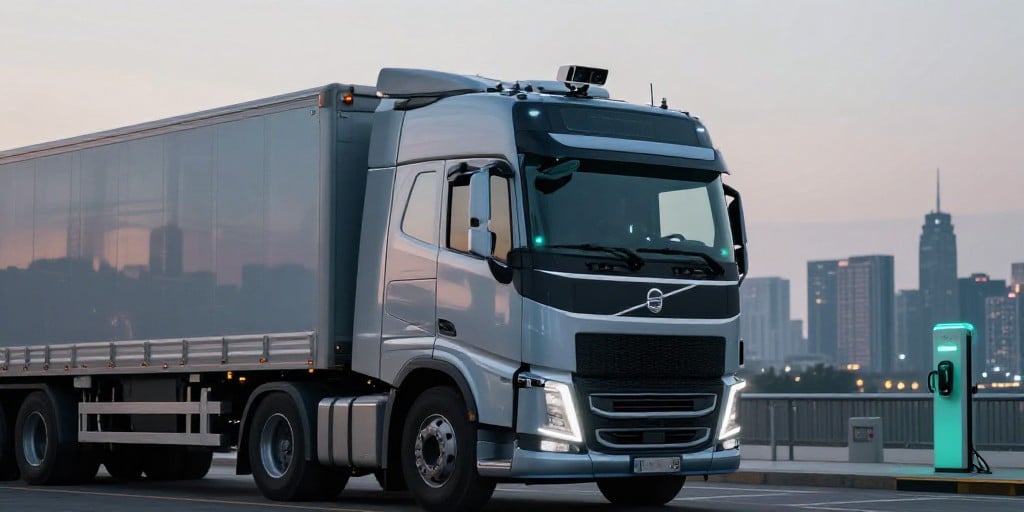
In North America, Volvo Group’s Canadian subsidiary Prevost introduced the H3‑45 Electric, its inaugural fully electric motorcoach. The vehicle features a dual‑motor drivetrain and a sizable battery pack engineered to support long‑range intercity travel while maintaining the premium experience synonymous with the H‑Series line. Prevost’s announcement emphasized its partnership with Volvo’s electric powertrain platform, reinforcing the company’s commitment to sustainable mobility. This move reflects a broader trend within the commercial‑vehicle sector, where operators are increasingly incentivized to reduce emissions and operating costs through electrified fleets.
European Market Dynamics: Mercedes‑Benz
Across the Atlantic, Mercedes‑Benz experienced a modest rebound in share price after a year‑low, yet market analysts remain cautious. Weak margins, a challenging cash‑flow environment, and a shift in strategic focus toward financial services and vehicle electrification temper optimism. Analysts highlight the company’s investment in advanced driver‑assistance systems (ADAS) and regulatory engagement in both China and Europe as key factors influencing its long‑term competitiveness. The emphasis on electrification and ADAS signals a broader industry pattern, where traditional luxury automakers are redefining their value propositions around technology and sustainability.
Technological Leadership and Human‑Insight
In the technology sector, Swedish AI provider Smart Eye announced a change in its finance leadership. Chief Financial Officer Mats Benjaminsson stepped down, with Tural Badebelji assuming interim duties while the firm searches for a permanent replacement. Smart Eye, which supplies driver‑monitoring solutions to automotive and industrial customers, reiterated its commitment to advancing human‑insight technologies that enhance safety and connectivity. The leadership transition occurs at a pivotal time, as the demand for AI‑driven safety systems continues to rise in both passenger and commercial vehicle markets.
Cross‑Sector Implications
The convergence of these developments across automotive manufacturing, commercial‑vehicle electrification, and technology supply illustrates several fundamental business principles:
- Competitive Positioning Through Innovation: Whether it is Guangzhou’s showcase of 707 electric vehicles or Prevost’s new electric motorcoach, companies that invest in R&D to meet emerging consumer expectations gain a strategic advantage.
- Financial Discipline in Tightening Margins: Mercedes‑Benz’s cautious outlook underscores the need for robust cash‑flow management amid high capital expenditures on electrification and ADAS.
- Ecosystem Collaboration: Prevost’s partnership with Volvo’s powertrain platform demonstrates the growing importance of strategic alliances to share risk and accelerate deployment.
- Regulatory Navigation: Companies active in China and Europe must align product development with stringent emissions and safety standards, a factor that shapes investment decisions across the board.
- Human‑Centric AI: Smart Eye’s focus on driver‑monitoring technologies highlights the sector’s move toward safer, more connected vehicles—a trend that will permeate both passenger and commercial fleets.
By examining these interconnected narratives, it becomes clear that the automotive ecosystem is undergoing a fundamental transformation, driven by electrification, advanced technology, and stringent regulatory demands. Firms that adapt to these dynamics while maintaining disciplined financial management will be best positioned to thrive in the evolving market landscape.