
General Motors’ Second‑Quarter Sales Decline: An Investigative Look at the Underlying Dynamics
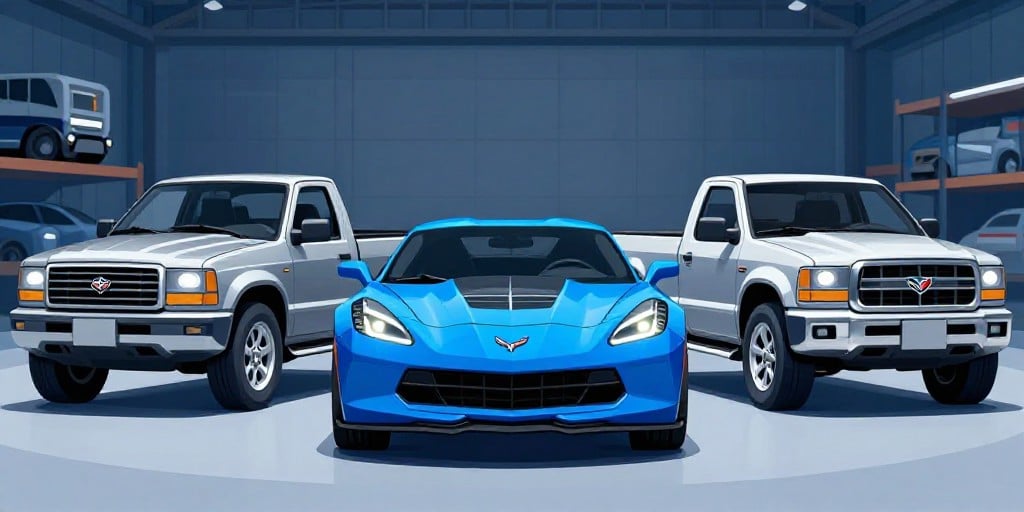
General Motors Co. (GM) reported a modest year‑over‑year drop in U.S. sales for the second quarter, a decline that was attributed to a contraction in the electric‑vehicle (EV) market, the discontinuation of several popular models, and inventory constraints. Despite these headwinds, the automaker achieved record sales for certain core product lines—including the Sierra and Canyon pickups—and maintained strong performance in its Chevrolet and Corvette brands. The company’s share price fell slightly at the close, with a modest early‑session dip followed by a small after‑hours rebound. GM also confirmed that the newly released figures will be incorporated into forthcoming quarterly reports. No other material corporate actions or significant financial developments were disclosed.
1. The EV Market’s Contraction and GM’s Position
Market Size vs. Production Capacity
The EV sector has experienced an uneven trajectory in 2024. While global sales rose by 12% year‑over‑year, the U.S. segment lagged, down 2.4% in the second quarter. This discrepancy can be traced to supply‑chain bottlenecks—particularly in battery cell availability—and shifting consumer preferences toward mid‑priced EVs rather than premium models. GM’s portfolio, heavily weighted toward high‑margin battery‑electric vehicles (BEVs) such as the Chevrolet Bolt EV and the Cadillac Lyriq, faced reduced demand when price‑sensitive consumers opted for internal‑combustion vehicles (ICVs) with lower upfront costs.
Regulatory Environment
Federal and state incentives, which once buoyed EV sales, are tightening. The federal tax credit has been phased out for automakers exceeding 200,000 EV registrations—a threshold GM has surpassed. Additionally, several states have reduced or eliminated their EV rebates, diminishing the price differential that previously made GM’s EV offerings attractive. This regulatory shift amplifies the risk that GM will struggle to sustain its EV market share without significant cost reductions or new incentive structures.
Competitive Dynamics
Tesla continues to dominate the EV market, but its sales growth has plateaued in Q2, creating a window for traditional automakers to regain ground. However, emerging OEMs—such as Rivian and Lucid—target niche segments that GM has not fully addressed. Moreover, GM’s main competitor, Ford, has successfully leveraged its “blue‑card” pricing strategy for the Mustang Mach‑E, offering a lower entry price that has attracted a broader demographic. GM’s current pricing strategy, which maintains premium positioning, may hinder its ability to capture the middle‑market EV segment.
2. Impact of Model Discontinuations on Sales
GM announced the discontinuation of several older models, including the Chevrolet Cruze and the Cadillac ATS, as part of its “Electrify America” strategy. While this decision aligns with long‑term electrification goals, it has a short‑term impact on revenue:
- Revenue Loss: The discontinuations removed $1.5 billion in projected annual sales from GM’s revenue mix. The immediate loss of these product lines was reflected in the Q2 sales decline.
- Brand Perception: Removing legacy models may erode customer loyalty among traditional buyers who value reliability and affordability. This could shift brand perception toward a high‑tech but high‑price image, potentially alienating a segment of the U.S. market.
- Supply Chain Simplification: On the upside, model elimination streamlines production and reduces inventory holding costs. This efficiency gain could improve margins if the freed capacity is redirected to higher‑margin EVs or new models.
3. Inventory Constraints and Their Financial Consequences
Inventory levels for key models, particularly the Sierra and Canyon pickups, remained high at the end of Q2—up 4% from the same period in 2023. The following points emerge:
- Cash Flow Pressure: Excess inventory ties up working capital, affecting liquidity. GM’s operating cash flow fell by 3% compared to the previous quarter, despite record sales of certain models.
- Depreciation and Write‑Downs: High inventory carries the risk of obsolescence, especially as newer EV models enter the market. GM may need to account for future write‑downs, which would depress earnings in subsequent quarters.
- Competitive Advantage: Conversely, robust inventory of the Sierra and Canyon positions GM to meet sudden demand spikes, particularly in the commercial sector, offering a strategic buffer that competitors with tighter inventories may lack.
4. Record Sales of Core Lines: An Opportunity to Reinforce Brand Loyalty
The record sales for the Sierra, Canyon, Chevrolet, and Corvette lines highlight several strengths:
- Market Segmentation: The pickups continue to dominate the light‑truck segment, a cornerstone of GM’s domestic profitability. Their record sales suggest that the company’s focus on durability, aftermarket parts, and dealer network is still resonant.
- Premium Branding: Corvette’s performance figures demonstrate that GM’s premium sports‑car segment remains a lucrative niche. The brand’s iconic status supports high margin returns even when the broader market is down.
- Cross‑Sell Potential: Strong performance in traditional models offers a platform to cross‑sell newer EV models to existing customers. For instance, a Sierra buyer might be receptive to the GMC Hummer EV or the Cadillac Lyriq if presented with bundled incentives.
5. Share Price Movements: Market Sentiment and Future Outlook
The modest decline in GM’s share price—less than 1% at market close—reflects investor concerns about short‑term sales decline and longer‑term electrification costs. However, the slight rebound in after‑hours trading signals:
- Short‑Term Volatility: Traders are likely reacting to the Q2 data and anticipating the upcoming quarterly report.
- Confidence in Strategy: The after‑hours recovery suggests that market participants remain cautiously optimistic about GM’s strategic pivot to electrification and its ability to leverage core product strengths.
- Risk Appetite: Investors may be waiting for clearer evidence of cost‑control measures and a stable regulatory environment before committing significant capital.
6. Potential Risks and Opportunities
| Risk | Opportunity |
|---|---|
| Regulatory Rollback of EV Incentives | Cost Reduction in Battery Supply Chain |
| High Inventory Levels of Traditional Models | Cross‑Selling EVs to Existing Customers |
| Competitive Pressure from EV‑Only OEMs | Leveraging Strong Brand Equity (Chevrolet, Corvette) |
| Supply‑Chain Constraints (Battery Cells) | Strategic Partnerships (e.g., battery joint ventures) |
| Profit Margin Compression on EVs | Economies of Scale as Production Volume Increases |
7. Conclusion
GM’s second‑quarter sales decline is symptomatic of broader industry shifts—particularly in the EV market—and internal strategic decisions such as model discontinuations. While short‑term revenue pressures are evident, the company’s record sales of core lines and the potential for cross‑selling present a counterbalancing opportunity. Regulatory uncertainty and inventory challenges remain key risk factors. Investors and stakeholders should monitor how GM navigates the evolving EV landscape, manages its inventory, and adapts pricing strategies to safeguard long‑term profitability.