Corporate News
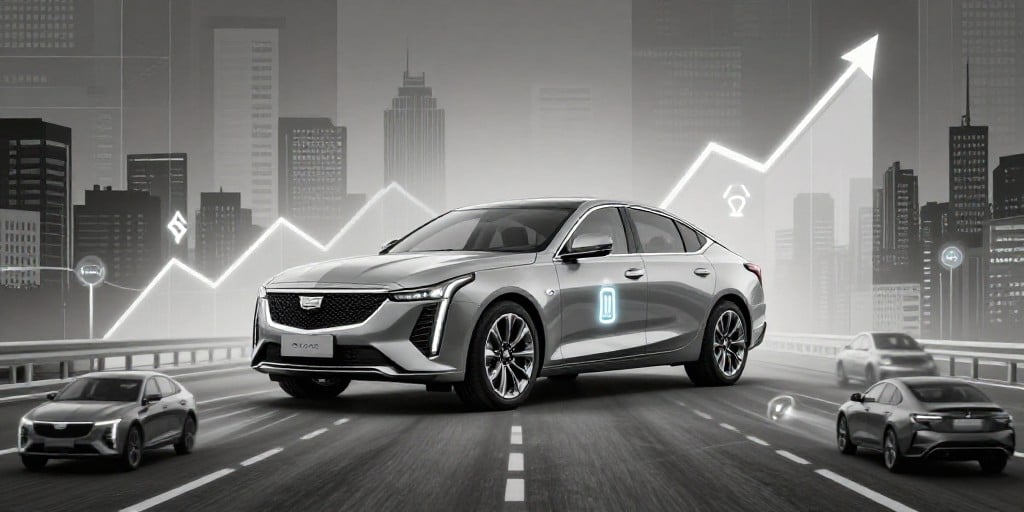
General Motors (GM) recently announced that its closed‑loop battery recycling initiative has reached a pivotal milestone. In a pilot program completed in September 2026, the company successfully converted end‑of‑life electric‑vehicle (EV) batteries into recycled cathode material that can be re‑integrated into new batteries. The recovered batteries yielded substantial quantities of nickel, cobalt, and manganese—critical components for high‑energy‑density EV chemistries. This achievement underscores the growing viability of circular supply chains in the automotive sector, especially as EV sales accelerate across Australia and globally.
Technical and Economic Implications for the Automotive Supply Chain
The pilot demonstrates that recovered materials can meet the stringent purity and performance requirements of contemporary battery chemistries. From a supply‑chain perspective, this capability reduces dependence on virgin mining—a sector increasingly subject to geopolitical risk, price volatility, and environmental scrutiny. By integrating recycled cathodes into new vehicle production, GM can:
- Mitigate Raw‑Material Price Fluctuations – The domestic recycling stream insulates the company from sudden price spikes in nickel, cobalt, and manganese markets.
- Enhance Sustainability Credentials – Meeting regulatory and consumer expectations for lower carbon footprints and responsible resource use.
- Strengthen Competitive Positioning – Early adoption of closed‑loop recycling can differentiate GM in a market where battery supply‑chain transparency is a key competitive lever.
These outcomes reflect broader industry dynamics, where automakers such as Tesla, BMW, and Hyundai are investing in proprietary recycling technologies to secure material supply and reduce environmental impact. GM’s demonstration may accelerate the adoption of similar closed‑loop models across the sector.
Livium–Sumitomo Collaboration: Expanding the Circular Chain
In parallel, Livium Ltd’s subsidiary Envirostream is evaluating the expansion of its black‑mass processing facility in Derrimut, Victoria. A non‑binding memorandum of understanding has been signed with Sumitomo Corporation, a Japanese trading and investment conglomerate, to assess technical, commercial, and regulatory aspects of scaling battery recycling operations. While no definitive purchase agreements or investment commitments have yet been made, the parties are exploring:
- Equipment Options – Identifying scalable technologies that can handle larger volumes of lithium‑ion batteries while maintaining material recovery efficiency.
- Cost Structures – Analyzing capital expenditure, operating costs, and potential revenue streams from recovered cathodes, anodes, and electrolyte components.
- Regulatory Approvals – Navigating Australian environmental compliance and potential Japanese import/export controls for recycled battery materials.
Should the collaboration materialize, it would create a regional circular battery supply chain that links Australian collection and processing with downstream refining capabilities in Japan. This arrangement could enable Envirostream to broaden its service portfolio and capture new market share, while providing Sumitomo with a secure source of recycled battery components for its own manufacturing and trading activities.
Cross‑Sector Synergies and Broader Economic Trends
Both initiatives highlight a shift toward sustainable battery life cycles that transcend industry boundaries. The automotive sector’s focus on circularity dovetails with the growing demand for recycled materials in electronics, renewable energy storage, and infrastructure projects. Key economic factors driving this convergence include:
- Regulatory Pressure – Stringent emissions and waste‑management standards in Australia, the European Union, and Asia are accelerating investment in recycling infrastructure.
- Resource Scarcity – Declining global supplies of critical metals and increasing production costs are compelling firms to seek alternative sources.
- Market Growth – EV sales are projected to rise by over 70 % in the next decade, amplifying the volume of end‑of‑life batteries available for recovery.
By establishing robust, cross‑border recycling networks, companies can create resilient supply chains that reduce geopolitical risk, stabilize raw‑material costs, and align with global decarbonization targets.
Conclusion
General Motors’ closed‑loop recycling pilot and Livium’s prospective partnership with Sumitomo exemplify a strategic pivot toward integrated, circular resource management within the automotive value chain. These developments not only reinforce the economic and environmental imperatives of battery recycling but also signal a broader industry trend: the convergence of sustainability, supply‑chain resilience, and competitive advantage across multiple sectors. As firms continue to invest in and refine recycling technologies, the circular economy for EV batteries is poised to become a foundational pillar of global industrial strategy.