General Motors Faces Data‑Privacy Scrutiny While Expanding EV Infrastructure
General Motors Co., a flagship name on the New York Stock Exchange, has recently attracted regulatory attention in Iowa over its handling of customer data collected via the OnStar telematics platform. State authorities allege that the automaker failed to adequately disclose the extent to which driving data—captured through OnStar’s sensors and connectivity services—is shared with third‑party entities, notably insurance carriers. The complaint contends that consumers were unaware that their vehicle telemetry could be accessed by external organizations, potentially infringing on privacy expectations and regulatory obligations.
Data‑Privacy Concerns in the Automotive Sector
The issue underscores a broader industry trend wherein connected‑vehicle services increasingly blur the lines between consumer data protection and commercial data sharing. While telematics can improve vehicle safety, streamline maintenance, and enable new revenue streams, automakers must balance these benefits against strict data‑privacy standards. In the United States, privacy expectations vary by state, and regulators are progressively scrutinizing how automotive data is collected, stored, and shared, particularly when it can influence insurance underwriting or pricing.
General Motors’ OnStar platform, integrated in most of its models, aggregates data ranging from location and speed to engine diagnostics. The platform’s third‑party partnerships—such as with insurers for usage‑based insurance (UBI) programs—require a robust privacy framework to assure customers that their data is handled responsibly. The Iowa complaint raises questions about whether GM’s privacy disclosures met the legal thresholds for informed consent, a point that could reverberate across other U.S. markets.
Strategic Expansion of Electric‑Vehicle Charging Network
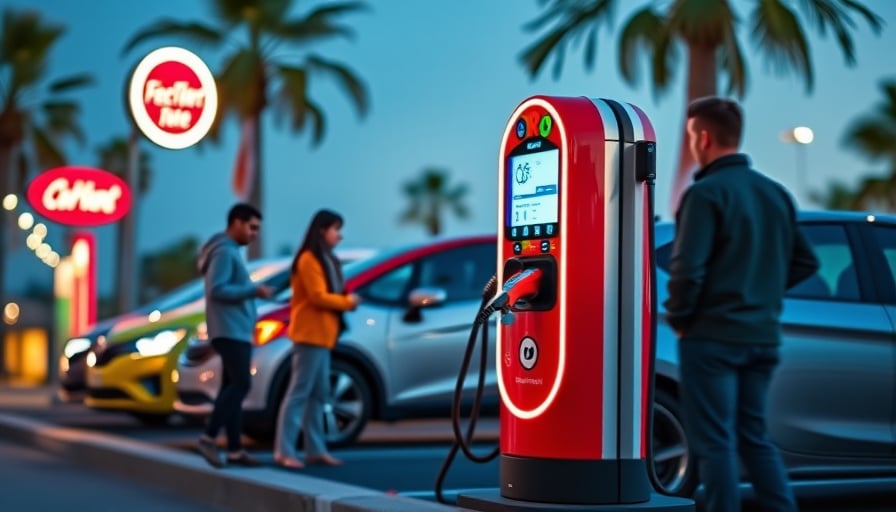
In contrast to the privacy concerns, GM has announced a partnership with a national charging‑network provider aimed at enhancing the experience for its electric‑vehicle (EV) customers. The collaboration seeks to broaden access to charging infrastructure, addressing one of the key barriers to EV adoption: range anxiety and limited charging availability. By integrating the charging network’s infrastructure into GM’s ecosystem, the company intends to offer seamless charging experiences for drivers of its EV lineup, potentially accelerating market penetration.
This move reflects a broader sectoral convergence between automotive manufacturing and energy distribution. As automakers transition toward electrification, alliances with utilities, infrastructure operators, and technology firms become pivotal. The partnership could position GM more competitively against rivals such as Tesla, which has cultivated its own charging network, and established manufacturers that are forming similar collaborations with grid operators and battery suppliers.
Economic and Competitive Implications
From an economic standpoint, data‑privacy compliance costs and potential regulatory penalties could affect GM’s profit margins, especially in a landscape where automakers already face high capital expenditures for research and development and supply‑chain investments. Conversely, the EV charging partnership could unlock new revenue streams through service contracts, data monetization (within privacy constraints), and increased vehicle sales driven by improved customer confidence in charging accessibility.
The dual narratives—privacy scrutiny and charging infrastructure expansion—illustrate the tension automakers face: safeguarding customer trust while pursuing strategic growth in emerging mobility markets. Competitors who effectively navigate both dimensions may reap substantial gains, while those who falter could lose market share in an era where data governance and electrification are equally critical.
Conclusion
General Motors’ recent challenges and initiatives highlight the intersection of regulatory compliance and strategic partnership in the evolving automotive landscape. The company’s ability to reconcile data‑privacy obligations with the pursuit of expanded EV infrastructure will likely influence its competitive positioning, investor perception, and broader industry practices.