Corporate News Report
Glencore PLC has navigated a complex blend of operational adjustments and market responses over the past few days. The company’s 2025 financial statements, recently released, reflect a modest decline in earnings before interest, tax, depreciation and amortisation (EBITDA) compared with the previous year. Nevertheless, management has highlighted a rebound in the fourth quarter that has helped stabilize the year‑to‑date performance.
Financial Performance and Strategic Portfolio Management
The 2025 report indicates that EBITDA fell by a modest margin, a trend attributed to lower commodity prices and increased operating costs. However, the company’s strategic focus on portfolio rationalisation has begun to take shape. A planned divestiture of a substantial stake in the Kazakh zinc‑gold producer Kazzinc—valued in the multi‑billion‑dollar range—is positioned as a strategic step to streamline Glencore’s asset base and support cash flow. The proceeds from this sale are expected to provide liquidity for further investment in core businesses and to reinforce the company’s balance sheet.
Management also announced a deliberate reduction in operating costs across the enterprise, targeting a cost‑saving program that will be realized over the next 12 to 18 months. This initiative aligns with broader industry trends where commodity companies seek to enhance margin resilience amid volatile price cycles.
Operational Developments
Cape Town Refinery
Glencore’s Cape Town refinery, held via Astron Energy, is slated to resume production in April following a period of maintenance shutdown. The refinery processes approximately 100,000 barrels per day and is a critical node in the company’s global supply chain. Its restart is viewed as a timely reinforcement of supply capabilities amid ongoing uncertainties in the global fuel market, providing a buffer against potential disruptions in other regions.
Australian Bauxite Project
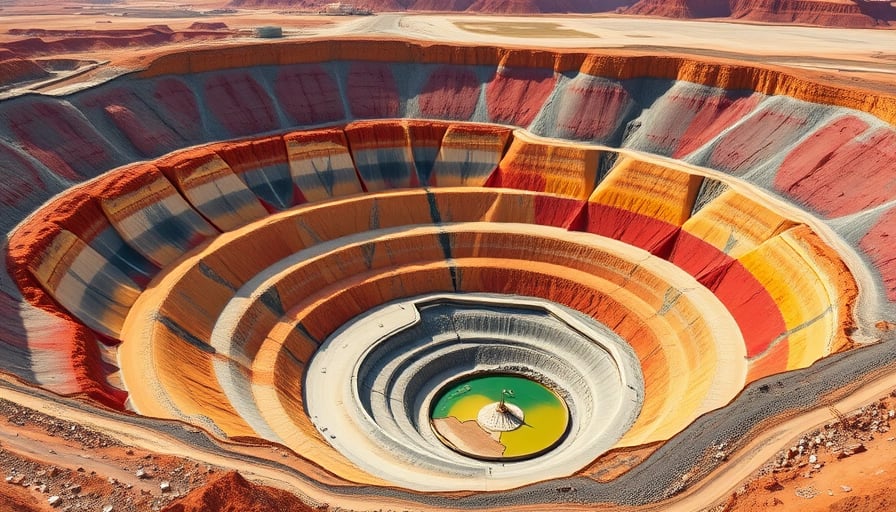
In addition to refining operations, Glencore’s involvement in a significant Australian bauxite project has attracted investor attention. The project’s output is anticipated to diversify the company’s commodity mix, potentially reducing reliance on metals and expanding exposure to the high‑growth aluminium sector. While the project is still in developmental stages, its strategic positioning in a resource‑rich region aligns with Glencore’s long‑term objective of balanced portfolio diversification.
Market Reaction
Glencore shares experienced a broad positive reaction in London trading. The stock was among the top gainers of the day, rising more than two percent. Its inclusion in the FTSE 100 index has provided an additional catalyst, as investors note that the company has been one of the better performers in the benchmark during the first half of the year. Analysts have underscored the company’s robust dividend policy, highlighting a declared base dividend along with an additional special dividend supported by the asset sale proceeds.
Summary
Glencore PLC is actively steering a period of portfolio rationalisation, cost optimisation, and operational resumption across key assets. The company’s strategic initiatives—including the divestiture of Kazzinc, the restart of the Cape Town refinery, and the development of a bauxite project—have been well‑received by markets, reflected in positive share price performance. By maintaining a disciplined approach to cost management and capital allocation, Glencore continues to demonstrate resilience in a challenging commodity landscape while positioning itself for sustainable long‑term growth.