
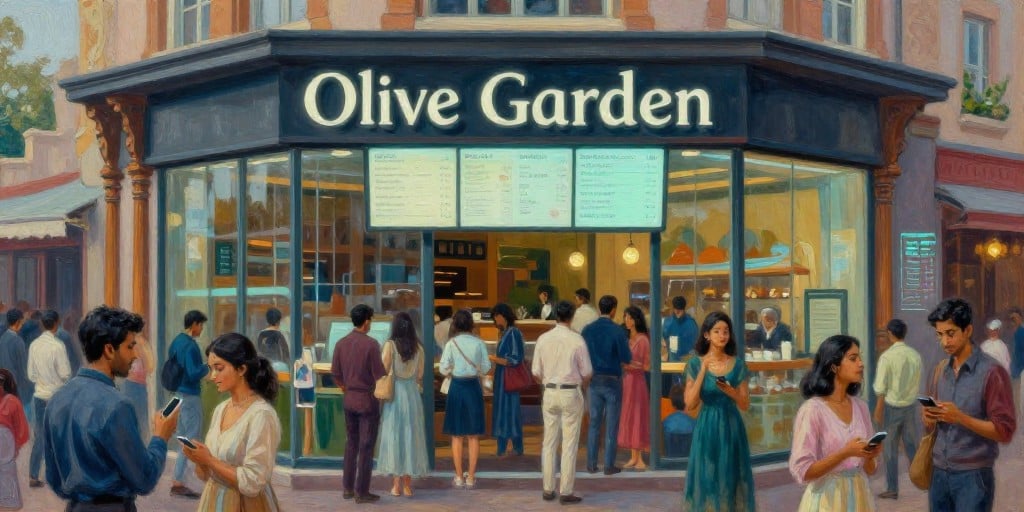
Corporate Expansion and the Re‑shaping of Dining Experiences in India
Strategic Context
Indian operator Gourmet Investments Hospitality Group (GIHG), the parent company of well‑known brands PizzaExpress and Chili’s, has announced an aggressive expansion strategy that includes the launch of the Olive Garden brand in India. The company plans to double its restaurant portfolio over the next three years, targeting between 100 and 125 outlets, with a clear focus on major metropolitan markets such as Mumbai, Delhi, Bengaluru, and Hyderabad. While the announcement did not disclose specific financials, the scale of the expansion signals a broader strategy by U.S. restaurant groups to leverage India’s rising affluence in the face of global inflationary pressures.
Digital Transformation Meets Physical Retail
India’s hospitality sector is experiencing a rapid convergence of digital and physical retail. The adoption of online ordering, contactless payment, and mobile loyalty programmes has accelerated during the pandemic and is now entrenched in consumer expectations. GIHG’s expansion plan reflects a keen awareness that a successful restaurant footprint must be supported by a robust digital ecosystem:
- Omnichannel Ordering – Integration of table‑top tablets and QR‑code menus to streamline service while reducing staff workload.
- Data‑Driven Personalisation – Use of customer data from loyalty apps to tailor promotions, seasonal menus, and delivery options.
- Digital Supply Chain – Real‑time inventory management that links back‑office operations with front‑of‑house staff, ensuring consistency across all outlets.
These capabilities not only improve operational efficiency but also enhance the overall dining experience, positioning GIHG’s new Olive Garden restaurants as “premium casual dining” venues that combine traditional menu items with a technology‑enhanced service model.
Generational Spending Patterns
India’s consumer base is markedly younger than many Western markets, with a median age of approximately 28 years. Two generational cohorts—Generation Z (born 1997‑2012) and Millennials (born 1981‑1996)—drive the bulk of discretionary spending. Key behavioural insights include:
- Health Consciousness – A growing preference for plant‑based and low‑calorie options.
- Experience Over Ownership – A willingness to spend on memorable dining experiences, especially in social settings.
- Digital Fluency – High engagement with social media, food‑review platforms, and mobile payment systems.
GIHG’s Olive Garden concept, with its emphasis on a “premium casual dining” experience and the addition of vegetarian options, directly taps into these preferences. By offering a familiar international menu alongside localized vegetarian dishes, the brand positions itself to attract both traditional diners and the health‑savvy, younger crowd.
Cultural Movements and Market Opportunities
India’s evolving cultural landscape is characterized by a blend of global cosmopolitanism and deep-rooted regional identities. Several macro‑trends present concrete opportunities for international hospitality groups:
| Trend | Impact on Consumer Behavior | Business Opportunity |
|---|---|---|
| Urbanisation | Concentration of high‑income earners in tier‑1 and tier‑2 cities | Expansion of flagship restaurants in premium locations |
| Rise of Food‑Culture | Increased consumption of dining‑out experiences | Diversified menu offerings that incorporate global and local flavors |
| Sustainability Awareness | Demand for eco‑friendly packaging and sourcing | Partnerships with local suppliers and certification schemes |
| Digital Economy | Widespread adoption of food‑delivery platforms | Seamless integration of delivery and curb‑side pick‑up services |
The Olive Garden launch is strategically timed to harness these dynamics. By positioning the brand as a “premium casual dining” destination that offers a globally recognised menu while respecting local dietary preferences, GIHG can capture a segment of consumers who seek both comfort and novelty.
Forward‑Looking Analysis
- Revenue Growth through Diversification – With the addition of Olive Garden, GIHG is diversifying its brand portfolio, reducing reliance on a single concept and creating cross‑selling opportunities.
- Economies of Scale in Supply Chain – A larger footprint enables bulk procurement of key ingredients, potentially lowering per‑unit costs and improving margins.
- Digital Leverage for Loyalty – An integrated loyalty programme across PizzaExpress, Chili’s, and Olive Garden can capture data that informs menu development and targeted marketing, creating a virtuous cycle of customer retention.
- Adaptability to Inflation – By offering a tiered menu (e.g., premium pasta dishes alongside budget‑friendly vegetarian options), the brand can maintain relevance across varying consumer price sensitivities.
- Talent Development – The expansion will necessitate a workforce that is adept at both traditional service and digital tools, opening up new training and career pathways within the hospitality sector.
Conclusion
GIHG’s ambitious expansion and the introduction of Olive Garden in India exemplify how international dining operators are capitalising on the intersection of digital innovation, generational spending shifts, and evolving cultural expectations. By embedding technology into the physical retail experience, tailoring offerings to health‑conscious, urban consumers, and aligning with broader societal trends, the company is poised to unlock significant market opportunities in one of the world’s fastest‑growing hospitality ecosystems.