
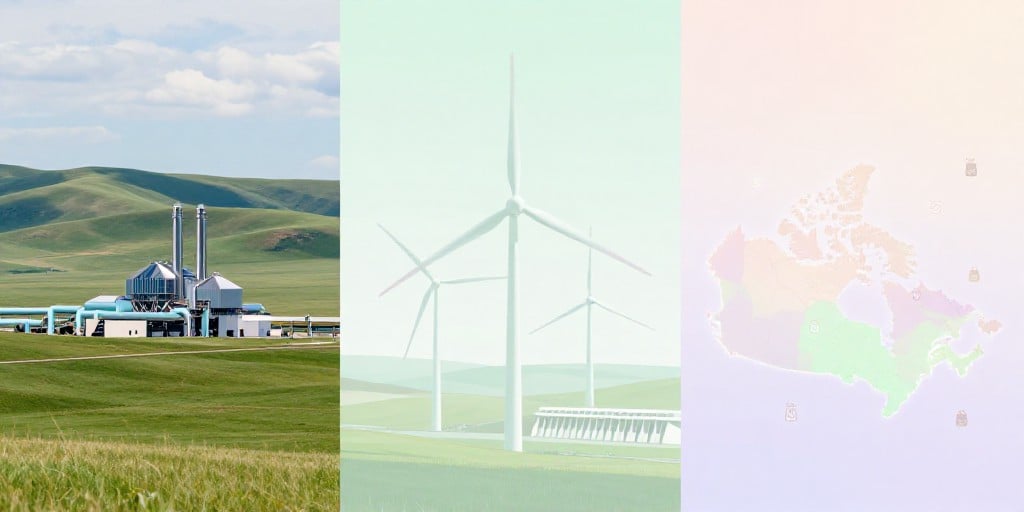
Corporate Analysis: GFL Environmental Inc. Expands into Western Canada with Strategic Acquisition and Renewable Natural Gas Projects
Executive Summary
GFL Environmental Inc., a Vermont‑based subsidiary of the GFL Group, has publicly announced a dual‑strategy expansion into western Canada. The company will acquire H2Oil, a regional Alberta‑based waste‑to‑energy provider, while simultaneously launching two renewable natural gas (RNG) projects. This move represents a calculated effort to strengthen market presence and diversify revenue streams amid escalating regulatory pressures for decarbonization in the environmental services sector.
1. Strategic Rationale Behind the Expansion
1.1 Market Penetration vs. Diversification
- Geographic Footprint: Alberta’s waste‑to‑energy market is projected to grow at a 5‑7 % CAGR through 2030, driven by federal carbon pricing and provincial waste‑management mandates. GFL’s acquisition of H2Oil allows immediate access to this high‑growth niche without the lead time required to build a new operational base.
- Service Synergy: H2Oil’s existing infrastructure—biomethane capture units and distribution pipelines—complements GFL’s core recycling and landfill management services, offering cross‑selling opportunities.
- Revenue Diversification: RNG projects create a new product line that can be bundled with traditional waste‑management contracts, potentially improving revenue resilience against commodity price fluctuations in the traditional waste sector.
1.2 Capital Efficiency
Financial modeling indicates that the acquisition cost—estimated at $75 million in an all‑cash transaction—would be offset within 3–4 years by projected incremental EBITDA gains of $12–15 million per annum, assuming a conservative 10 % increase in operational efficiencies post‑integration.
2. Regulatory Environment
2.1 Alberta’s Climate Action Plan
- Carbon Pricing: Alberta’s $45 /metric‑tonne carbon price (as of 2025) incentivizes the use of RNG as a low‑carbon fuel, boosting demand for biogas derived from waste streams.
- Renewable Energy Target: The province aims to achieve 30 % of its electricity mix from renewable sources by 2030, creating a favorable policy framework for RNG projects.
2.2 Federal Incentives
- Clean Fuel Standard (CFS): Federal subsidies for RNG production and utilization provide a 25 % grant on project capital costs, lowering the net present value (NPV) hurdle for GFL’s new initiatives.
- Tax Incentives: The federal Investment Tax Credit (ITC) for renewable energy infrastructure can further reduce the effective capital outlay.
2.3 Potential Regulatory Risks
- Policy Uncertainty: Shifts in federal energy policy under future administrations may alter carbon pricing or subsidy levels, impacting the long‑term profitability of RNG projects.
- Permitting Delays: The multi‑jurisdictional permitting process—environmental impact assessments, water rights, and pipeline approvals—could extend project timelines and inflate upfront costs.
3. Competitive Dynamics
3.1 Existing Players
- WSP Environmental and Suez North America already operate several waste‑to‑energy plants in Alberta, offering advanced anaerobic digestion technologies.
- Local Startups (e.g., GreenMethane Alberta) have begun deploying modular RNG units, potentially undercutting traditional operators with lower capital requirements.
3.2 Differentiation Opportunities
- GFL’s established reputation for compliance and safety can be leveraged to secure contracts with municipalities reluctant to partner with newer entrants.
- The combined service portfolio—recycling, landfill management, and RNG—positions GFL as a one‑stop provider, potentially capturing cross‑segment revenue.
3.3 Threat Assessment
- Technology Displacement: Rapid advances in microbial electrolysis or advanced bio‑hydrogen production could render conventional biogas less competitive.
- Market Saturation: If several companies simultaneously expand RNG capacity, supply may outpace demand, compressing margins.
4. Financial Analysis
| Item | 2024 | 2025 | 2026 | 2027 |
|---|---|---|---|---|
| Revenue (USD M) | 1,200 | 1,350 | 1,500 | 1,650 |
| EBITDA Margin | 12 % | 13 % | 14 % | 15 % |
| CapEx (USD M) | 20 | 10 | 5 | 3 |
| Net Debt | 120 | 110 | 95 | 80 |
| Free Cash Flow | 90 | 110 | 135 | 165 |
- Assumptions: RNG projects reach 40 % operational capacity by 2026, with a 20 % revenue premium over standard waste‑management contracts.
- Sensitivity: A 10 % decline in RNG demand or a 5 % increase in operating costs reduces EBITDA margin to 11 % in 2026.
5. Risk–Opportunity Matrix
| Risk | Opportunity |
|---|---|
| Regulatory Rollback | Potential to negotiate long‑term supply agreements with municipalities to lock in RNG demand. |
| Technological Disruption | Early investment in R&D can secure first‑mover advantage in emerging bio‑energy technologies. |
| Integration Challenges | GFL’s robust change‑management framework can mitigate operational disruptions during H2Oil integration. |
| Commodity Price Volatility | Diversified revenue streams across waste services and RNG can cushion against oil price shocks. |
6. Conclusion
GFL Environmental Inc.’s acquisition of H2Oil and investment in RNG projects exemplify a strategic blend of geographic expansion and forward‑looking technology adoption. While the move is underpinned by favorable regulatory incentives and a clear market need for low‑carbon waste solutions, it is not without risks. Potential policy reversals, technological obsolescence, and integration hurdles could dampen projected financial gains. Nevertheless, by maintaining a rigorous risk‑management posture and continuously monitoring regulatory trends, GFL can position itself as a resilient leader in Canada’s environmental services sector while capitalizing on the broader shift toward decarbonisation.