Corporate Developments and the Technical Landscape of Germany’s Power Sector
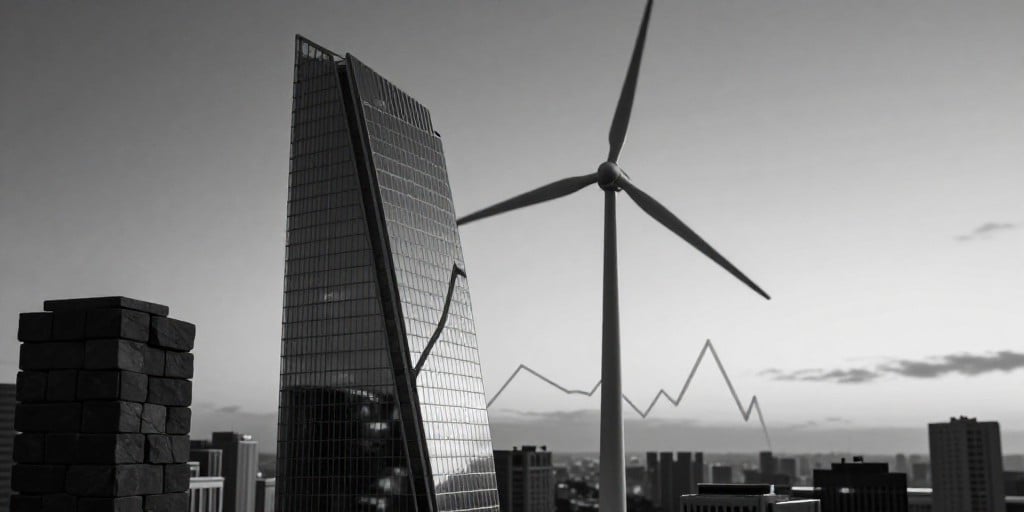
E.ON SE registered a modest uptick on the German exchange on Friday, with its shares nudging upward as the DAX hovered near the level it closed at the previous session. The move mirrored a broader trend among utilities, which benefited from a supportive backdrop of softer crude prices and a rebound in export metrics that bolstered investor confidence. While the price swing was modest, it underscored the resilience of the German power industry amid a complex convergence of market forces.
Market Context and Upcoming Earnings
The German equity market was buoyed by the anticipation of quarterly reports from several high‑profile European firms, notably in the technology and energy arenas. E.ON, along with its peers RWE, Siemens Energy, and Infineon Technologies, was slated to release financial data in the near term. Early consensus models indicated that profit growth for European companies had outpaced expectations, driven largely by earnings momentum in the technology sector and a moderate lift in the energy domain. Analysts highlighted that the strength in export figures and lower oil costs could translate into higher operating margins for utilities that rely heavily on imported fossil fuels for peaking generation.
Regulatory Outlook and Its Implications
Market participants also kept a keen eye on potential regulatory adjustments, particularly those affecting data‑center operations and broader technology investment. Discussions around tighter oversight—especially in data‑center energy consumption and cooling efficiency—were expected to influence valuation metrics for high‑growth tech equities. While such regulatory tightening could temper enthusiasm for new capital deployment in the technology space, it would concurrently incentivize utilities to invest in smarter grid solutions capable of handling the variable load profiles typical of data‑center operations.
Power Generation, Transmission, and Distribution Dynamics
From a technical standpoint, Germany’s power system is at a pivotal juncture. The integration of renewable energy sources—especially wind and solar—continues to present grid stability challenges. The variability of these resources necessitates robust balancing mechanisms, including:
Frequency Regulation and Black‑Start Capabilities: As the share of intermittent generation rises, conventional synchronous generators must be available to provide inertia and rapid frequency support. E.ON’s portfolio now includes a mix of hydro‑electric plants and gas turbines designed for quick start‑up, offering a buffer against supply disruptions.
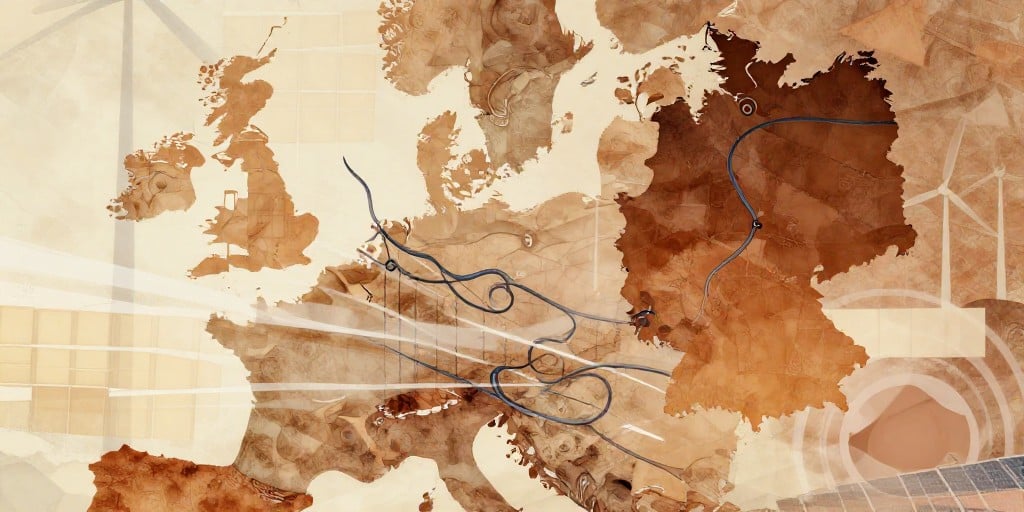
High‑Voltage Direct Current (HVDC) Links: To mitigate congestion on the existing AC transmission network, investments in HVDC interconnectors are accelerating. These links allow for efficient long‑haul transmission of renewable power from the North Sea and Alpine regions to densely populated consumer corridors.
Advanced Distribution Automation: Modernizing the distribution network with smart meters, automated switchgear, and real‑time monitoring systems enhances grid resilience. E.ON’s rollout of a Phasor Measurement Unit (PMU) network provides granular visibility into voltage and phase angle variations, enabling preemptive corrective actions.
Infrastructure Investment and Economic Impact
The requisite infrastructure investments are substantial. Capital expenditure forecasts for the next decade suggest that Germany will need to allocate upwards of €150 billion toward transmission upgrades, renewable integration projects, and distribution automation. These costs will inevitably be reflected in the utility’s rate structures:
Regulatory Rate Design: The Federal Network Agency (Bundesnetzagentur) employs a cost‑of‑service framework that balances investor returns with consumer protection. The inclusion of renewable integration costs—such as grid reinforcement and ancillary services—can lead to incremental rate increases, though these are often mitigated by subsidies or feed‑in tariffs aimed at promoting green energy.
Demand‑Side Management Incentives: By encouraging consumers to shift load to off‑peak periods through time‑of‑use tariffs, utilities can flatten peak demand curves, reducing the need for costly peaking plants. E.ON’s recent pilot programs in smart home devices have shown measurable reductions in peak demand, translating into deferred investment in generation capacity.
From an economic standpoint, modernization yields both short‑term costs and long‑term benefits. While the initial outlay can increase electricity prices in the medium term, the resulting enhancements in grid reliability and renewable penetration reduce the overall cost of electricity generation. Additionally, a more stable grid facilitates the integration of electric vehicles and storage solutions, further smoothing demand profiles and improving energy efficiency.
Conclusion
E.ON’s recent share performance, though modest, reflects a broader confidence in the German utility sector’s ability to navigate a rapidly evolving energy landscape. The convergence of favorable market sentiment, robust regulatory frameworks, and strategic investment in grid infrastructure positions utilities to not only meet the immediate demands of renewable integration but also to deliver sustainable, reliable power to consumers at competitive rates. Continued vigilance in regulatory developments and technological innovation will be essential to sustain this trajectory and ensure that the transition to a cleaner, smarter energy system proceeds with both economic viability and grid security.