Germany’s Offshore Wind Power Licensing Framework Under Scrutiny
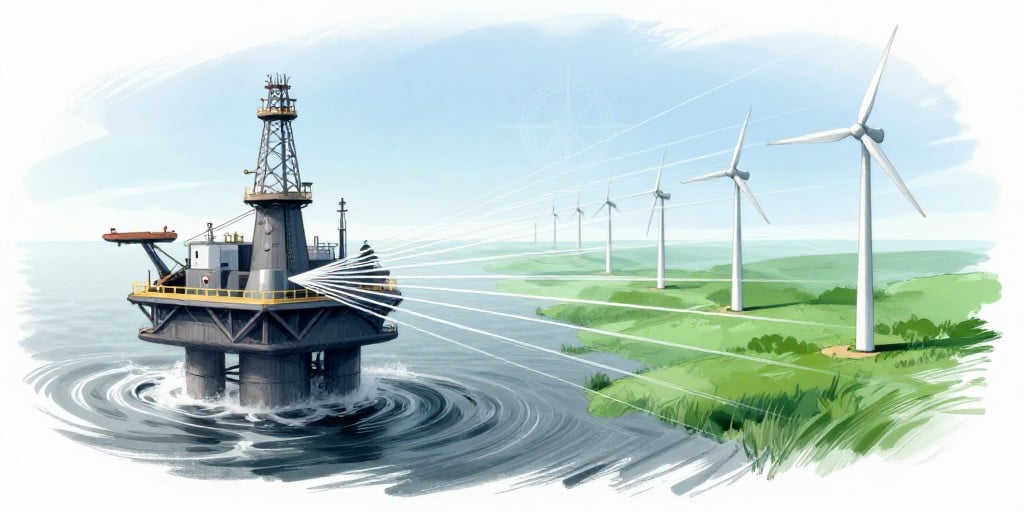
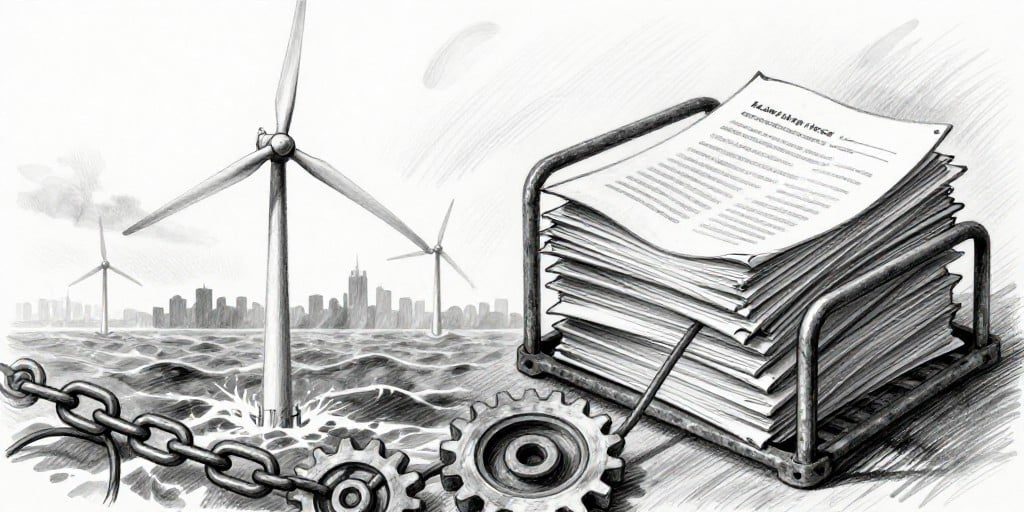
Germany’s federal economy minister, Katherina Reiche, addressed a letter from several federal states that expressed concern over the stalled development of offshore wind projects. The states warned that the existing licensing and subsidy framework could leave projects unrealised, thereby jeopardising jobs in the maritime and renewable‑energy sectors.
In a press statement, Reiche outlined a procedural approach for projects deemed economically unviable: they should be returned in an orderly manner and re‑tendered, while the original developers would retain their financial obligations. She emphasized that forthcoming tenders would be grounded in a more solid economic foundation, and that the gap between awarded concessions and actual construction should be bridged.
Reiche also highlighted macro‑level pressures that have impacted the German offshore wind market. Rising financing costs, supply‑chain bottlenecks, and escalating construction costs have contributed to a decline in new bids for the northern and eastern German seas. These dynamics illustrate how sector‑specific challenges intersect with broader economic forces such as global interest rates and geopolitical supply disruptions.
TotalEnergies’ Corporate Governance Update
In a separate corporate development, TotalEnergies SE filed a Schedule 13G with the U.S. Securities and Exchange Commission. The filing, submitted by Amundi as the filing party, confirms the company’s ongoing compliance with U.S. reporting requirements. The disclosure notes that TotalEnergies, formerly known as Total S.A., has undergone several name changes, yet does not report any financial results. The filing primarily serves to update ownership information and to satisfy regulatory obligations, underscoring the importance of transparent governance structures in multinational energy firms.
Digital‑Newsroom Initiative by a French Energy Group
The French energy group has launched a digital‑newsroom initiative designed to enhance the discoverability of its official communications. Partnering with the provider epresspack, the project employs answer‑engine and generative‑engine optimisation techniques to increase citations on AI platforms such as ChatGPT and Google AI. An early pilot case involving another large industrial company demonstrated a significant rise in AI‑driven references during the second and third quarters of 2026. This initiative reflects a broader trend of energy companies leveraging AI‑driven content strategies to improve stakeholder engagement and public perception.
Market Context: French Equities and Oil Prices
In the wider market context, French equities edged higher on a day when oil prices slipped following diplomatic outreach in the Middle East. The benchmark CAC 40 advanced modestly, while several energy‑sector stocks—including TotalEnergies—fell slightly in line with the overall decline in crude prices. The modest equity gains suggest investor confidence in France’s economic fundamentals, whereas the dip in energy stocks underscores the sensitivity of the sector to global oil price movements.
Analytical Take‑away
- Offshore wind in Germany illustrates the tension between ambitious renewable targets and the practicalities of financing, supply‑chain reliability, and regulatory certainty. The minister’s call for a more robust economic foundation aligns with global best practices for large‑scale renewable projects.
- TotalEnergies’ Schedule 13G filing demonstrates the continued need for transparency in cross‑border ownership, a factor increasingly scrutinised by regulators worldwide.
- AI‑enhanced communication strategies in the energy sector signal a shift toward data‑driven stakeholder engagement, offering a competitive edge for companies that can successfully integrate generative tools.
- Oil‑price‑driven volatility in European equity markets remains a key risk factor for energy companies, reinforcing the importance of hedging strategies and diversification of revenue streams.
Together, these developments highlight the interconnected nature of policy, corporate governance, technological adaptation, and market dynamics in the contemporary energy landscape.