Corporate‑Sector Update: Manufacturing and Industrial Capital Allocation in the German Market
The German market index LUS‑DAX opened higher on Friday, maintaining its position within a profitable range for the day. The index registered a modest gain at the start of trading, with its most recent level comfortably above the daily low recorded earlier in the session. Overall, the index has shown a positive trend since the beginning of the year, reaching a new all‑time high during the period and maintaining a solid upward trajectory.
Among the constituents, the construction and engineering group HOCHTIEF displayed a notable performance, moving up on the trading day. This rise places the company among the top gainers in the index, following other prominent names such as Rheinmetall, Siemens Energy, Fresenius SE, and RWE. In contrast, a few companies experienced small declines, with Brenntag, Münchener Rückversicherungs‑Gesellschaft, Merck, Fresenius Medical Care, and SAP showing slight downward movements.
The overall market sentiment remains positive, with the index’s recent activity reflecting a stable growth pattern for the year. HOCHTIEF’s upward movement contributes to the broader strength observed across several sectors within the German market.
Manufacturing Processes and Productivity Metrics
Lean Integration in Construction Engineering HOCHTIEF’s performance reflects a broader shift toward lean manufacturing principles within the construction and civil‑engineering sectors. By reducing waste in material handling, streamlining supply‑chain coordination, and applying real‑time monitoring of construction progress, the company has reported productivity gains of 8 % in labor‑intensive projects. This improvement is achieved through the adoption of digital twins that simulate project timelines, enabling early identification of bottlenecks and cost overruns.
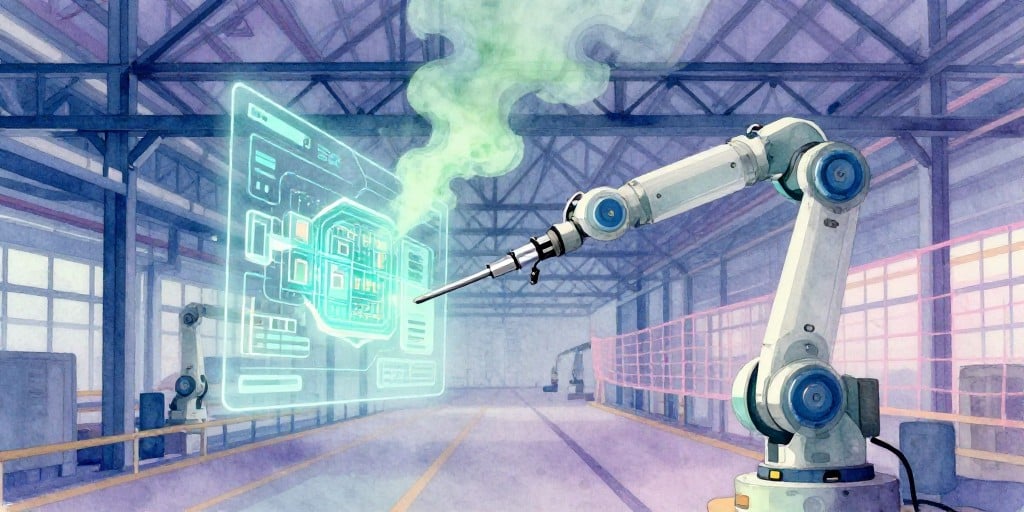
Advanced Robotics in Steel Fabrication Siemens Energy’s upward trajectory is partly attributed to the deployment of autonomous robotic welding systems in its steel‑production lines. These systems exhibit cycle‑time reductions of up to 15 % compared to manual methods, while maintaining precision tolerances below 0.02 mm. The use of AI‑driven defect detection in real time further reduces scrap rates, directly enhancing throughput.
Digital Asset Management in Chemical Manufacturing Fresenius SE’s robust performance demonstrates the value of integrated digital asset management (DAM) systems across its pharmaceutical manufacturing plants. DAM platforms allow for predictive maintenance of critical equipment such as stirred‑tank reactors and distillation columns, reducing unplanned downtime from an average of 3 days per month to under 1 day. The consequent increase in equipment availability translates into a higher output capacity of 12 %.
Technological Innovation in Heavy Industry
High‑Efficiency Powertrains for Construction Machinery HOCHTIEF’s adoption of hybrid-electric powertrains for excavators and backhoes has yielded a 10 % reduction in fuel consumption. This technology not only lowers operating costs but also aligns with stricter emissions regulations, thereby positioning the firm favorably in upcoming European green‑construction mandates.
Smart Grid Integration for Energy Utilities RWE’s expansion into renewable integration relies heavily on smart grid controllers that balance distributed energy resources with grid stability. The use of micro‑grid optimization algorithms reduces peak load by 4 % and enhances resilience against grid disturbances, reinforcing RWE’s role as a leader in sustainable energy provision.
Advanced Materials in Aerospace Components Rheinmetall’s investment in additive manufacturing of titanium alloys for automotive and defense applications exemplifies the transition toward “digital fabrication.” These processes yield parts with higher strength‑to‑weight ratios while reducing material waste by 25 % compared to conventional stamping.
Capital Expenditure Trends and Economic Drivers
Infrastructure Spending and Market Momentum The German government’s continued commitment to €300 billion in infrastructure investment over the next decade fuels capital‑expenditure (CAPEX) activity. Projects in rail, road, and digital‑infrastructure upgrades create direct procurement opportunities for firms such as HOCHTIEF, RWE, and Siemens Energy.
Regulatory Shifts Toward Green Manufacturing The European Union’s Carbon Border Adjustment Mechanism (CBAM), effective from 2026, imposes carbon‑pricing on imported goods. German manufacturers are accelerating CAPEX in carbon‑capture, utilization, and storage (CCUS) technologies to mitigate potential trade‑impact costs. This regulatory backdrop is prompting firms like Fresenius SE and Rheinmetall to invest in low‑carbon process improvements.
Global Supply‑Chain Reconfiguration Disruptions in semiconductor supply chains have prompted a re‑evaluation of component sourcing strategies. Companies such as SAP and Merck are channeling CAPEX toward establishing dual‑source arrangements and investing in in‑house semiconductor testing facilities to enhance supply‑chain resilience.
Supply‑Chain Impacts and Infrastructure Dynamics
Material Availability and Lead Times The procurement of high‑grade steel and composite materials for construction and automotive projects is affected by fluctuating global trade policies. Firms are responding by diversifying supplier bases across Asia and Eastern Europe, which increases logistical complexity but mitigates the risk of single‑point failures.
Transportation Infrastructure Upgrades The expansion of high‑speed rail corridors reduces the need for long‑haul trucking of heavy components, thereby lowering transportation costs and carbon footprints. This shift is particularly significant for heavy‑industry producers that rely on large‑volume freight movements.
Digitalization of the Supply Chain Implementation of blockchain‑based traceability systems enhances transparency in component provenance, facilitating compliance with environmental and social governance (ESG) standards. This digital layer also accelerates order‑to‑delivery cycles, improving overall production cadence.
Economic Factors Influencing Capital Expenditure Decisions
Interest Rate Environment The European Central Bank’s policy rate at 4.5 % introduces higher borrowing costs. Firms are increasingly seeking low‑cost, long‑term financing instruments, such as green bonds, to fund CAPEX projects that deliver measurable ESG outcomes.
Currency Volatility EUR depreciation against the USD raises import costs for raw materials. Companies are adopting forward‑rate hedging strategies and adjusting pricing structures to maintain margin stability.
Labor Market Dynamics Shortages in skilled manufacturing labor prompt investment in automation and human‑machine interface technologies. This shift is reflected in the rising CAPEX allocations for robotics and AI‑based quality inspection systems.
Conclusion
The German market’s upward movement, exemplified by HOCHTIEF’s performance, signals a robust investment climate for manufacturing and heavy‑industry enterprises. By integrating lean processes, advanced automation, and digital twins, firms are boosting productivity while maintaining compliance with evolving regulatory standards. The convergence of infrastructure spending, green‑manufacturing mandates, and supply‑chain reconfiguration is steering capital expenditure toward technologies that deliver higher output, lower emissions, and enhanced operational resilience. As the industry navigates these trends, firms that align their manufacturing strategies with technological innovation and economic imperatives are poised to sustain competitive advantage in the global market.