German Gas Prices Surge, Threatening a Winter of Rising Energy Costs
A Quantitative Shock and Its Corporate Implications
A recent market survey reveals that gas prices in Germany have more than doubled relative to the previous year. While the report stops short of furnishing exact figures, the magnitude of the jump alone carries significant ramifications for the energy-intensive sectors that underpin the German economy. Historically, fluctuations in gas prices ripple through the cost structure of electricity generation, which in turn cascades into the operating expenses of industrial and commercial entities.
Underlying Business Fundamentals
- Cost Transmission Dynamics
- Wholesale Gas to Generation Costs: German power plants—particularly those using natural gas—suffer a direct cost increase as the gas feedstock price rises. The marginal cost of generation climbs, compelling utilities to reassess pricing strategies.
- Capital Expenditure vs. Operating Expenditure: Firms with aging gas infrastructure face higher operating costs without proportional opportunities for capital efficiency improvements. This may delay planned upgrades to more efficient, low-carbon technologies.
- Demand Elasticity in Energy Consumption
- Industrial Sensitivity: Manufacturing plants, especially in the chemical and steel sectors, exhibit relatively inelastic energy demand. A spike in electricity costs can compress profit margins unless offset by productivity gains or price hikes to end‑users.
- Commercial and Residential Shifts: While households may partially absorb higher utility bills, businesses are less flexible in adjusting their consumption patterns over the short term, potentially leading to reduced discretionary spending and lower overall economic activity.
Regulatory Environment and Government Response
Berlin’s Preliminary Measures The German capital has indicated a willingness to intervene, yet no specific policy tools have been disclosed. Potential avenues include:
Price Caps on residential electricity tariffs to mitigate consumer hardship.
Targeted Subsidies for high‑energy‑intensity industries to maintain competitiveness.
Incentive Programs encouraging the adoption of renewable gas (e.g., biomethane) or energy storage solutions.
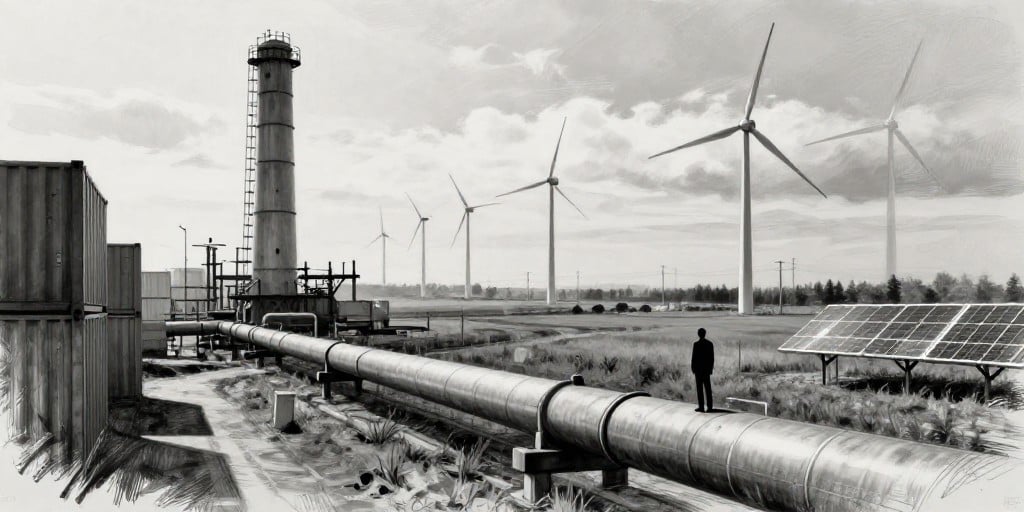
European Union Context EU energy regulations mandate member states to maintain secure supply chains and may provide a framework for cross‑border energy price stabilization. However, Germany’s dependence on imported gas from Russia and the Nord Stream pipeline introduces geopolitical vulnerability that EU policy cannot fully mitigate.
Competitive Dynamics and Market Opportunities
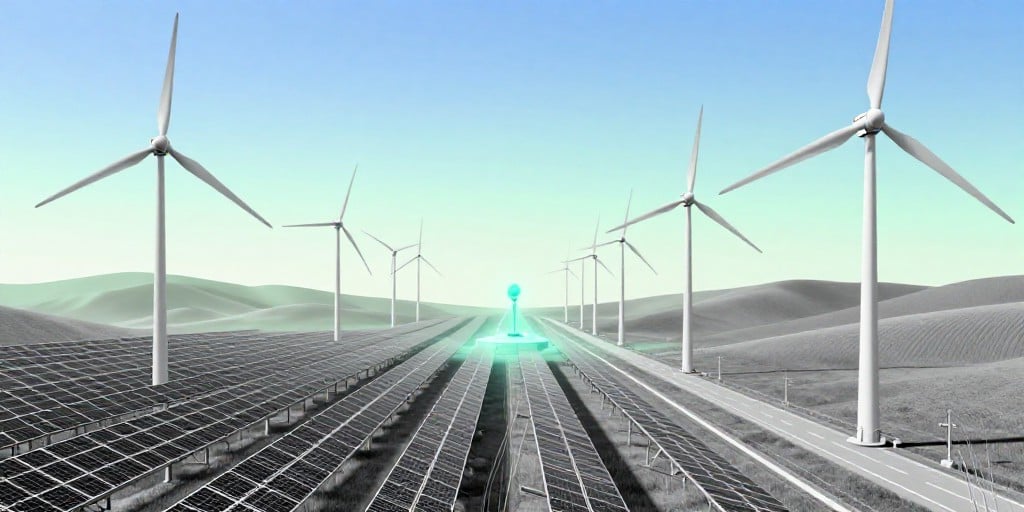
Renewable Energy Upsurge The steep rise in gas prices accelerates the relative attractiveness of wind and solar, which have seen significant cost declines in the past decade. Firms already invested in renewable portfolios may gain a competitive edge, while those still reliant on gas face higher risk exposure.
Energy Storage and Grid Flexibility The volatility of gas prices underscores the need for flexible demand response and storage solutions. Battery‑based systems, pumped hydro, and hydrogen production become strategic assets. Companies offering integrated energy management services stand to capture emerging market share.
Cross‑Sector Collaboration Opportunities exist for public–private partnerships to develop decarbonization pathways, such as carbon capture and storage (CCS) combined with renewable gas blending, which can stabilize costs while meeting climate targets.
Risks That May Be Overlooked
- Supply Chain Disruptions
- Export/Import Dependencies: Any geopolitical tensions affecting Russian gas flows could trigger supply shortages, inflating prices further.
- Infrastructure Bottlenecks: Limited pipeline capacity and storage deficits restrict the ability to buffer sudden demand spikes.
- Financial Market Volatility
- Energy commodity prices are notoriously volatile. Short‑term price spikes can destabilize corporate balance sheets, especially for firms with high leverage or long‑dated contracts locked at outdated rates.
- Regulatory Lag
- Rapid price escalation may outpace the speed of regulatory action, leaving firms exposed during transitional periods. Uncertainty can deter investment in new generation assets or in efficiency upgrades.
Opportunities for Early Movers
Strategic Hedging Companies that lock in gas prices through futures and options can mitigate exposure. A disciplined hedging strategy becomes essential to preserve margin integrity.
Diversification into Renewables Firms already operating in energy-intensive sectors can leverage existing supply chains to integrate renewable generation, achieving a dual benefit of cost control and sustainability compliance.
Energy Efficiency Retrofits Investments in high‑efficiency equipment, coupled with digital monitoring systems, can reduce overall energy consumption, thereby lessening the impact of price rises.
Conclusion
The unprecedented surge in German gas prices signals more than a temporary price shock; it heralds a pivotal juncture for the country’s corporate sector. While the immediate effect is an upward pressure on electricity costs, the underlying dynamics present both significant risks and transformative opportunities. Companies that adopt a skeptical yet proactive stance—investigating their own supply chains, embracing renewable alternatives, and engaging with policymakers—will be better positioned to navigate the evolving landscape and emerge resilient in the face of uncertainty.