
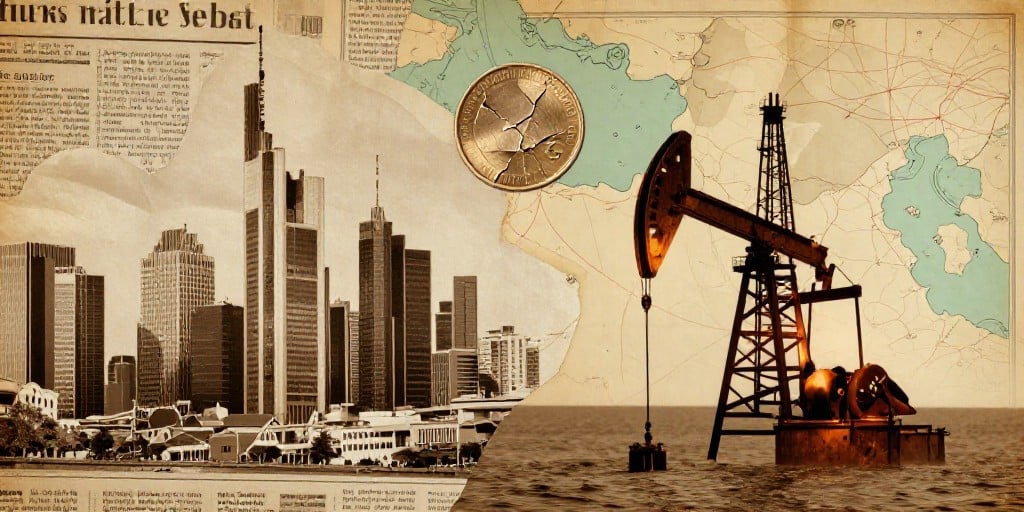
Impact of Geopolitical Tension on the German Equities Market
On Wednesday, the German market index experienced a pronounced decline, falling approximately 2.5 %. The sharp deterioration was largely attributed to heightened geopolitical risk following a United States presidential statement that the cease‑fire in the Middle East had collapsed. The announcement spurred a rapid surge in oil prices, which in turn amplified concerns over inflationary pressures and the future trajectory of monetary policy.
Market‑Level Dynamics
The DAX, Germany’s principal equity benchmark, fell by roughly 2½ %, with the majority of its constituents registering negative returns. Energy‑sector stocks, however, enjoyed gains that counterbalanced losses elsewhere in the index. Brent and West Texas Intermediate (WTI) crude prices rose sharply, reflecting the market’s anticipation of supply disruptions and reduced throughput in the region. The commodity rally translated into a broader sell‑off, as investors reacted to the risk premium associated with elevated oil costs.
Sectoral Outcomes
Energy‑Sector Stocks
Energy‑focused companies—particularly those with exposure to upstream production and midstream infrastructure—benefited from the spike in oil prices. The heightened commodity valuations improved revenue forecasts for producers and reinforced the valuation multiples for asset‑heavy operators. In contrast, firms with substantial hedging exposure or those that are highly leveraged may face margin compression if oil prices subsequently decline.
Chemical and Packaging Firms
An international chemical and packaging company posted modest gains amid the market downturn. The firm’s resilience can be partly attributed to its diversified product portfolio and its strategic positioning in sectors that are sensitive to commodity price cycles. Higher energy costs tend to elevate input prices, potentially allowing companies with robust pricing power to maintain margins. However, the company’s exposure to volatile feedstock prices also poses a risk if inflationary pressures intensify.
German Electricity Supplier
Shares of a German electricity supplier rose modestly, reflecting investor confidence in the company’s ability to capitalize on rising energy costs. Utility firms typically exhibit defensive characteristics and possess regulated pricing mechanisms that can absorb cost increases. Nonetheless, the regulatory environment in Germany—particularly the phase‑out of subsidies for fossil fuels—may alter the long‑term cost structure for electricity providers.
Cross‑Industry Connections
The market reaction underscores the interconnectedness of commodity pricing and corporate performance across sectors. For example:
- Oil and Chemicals: Fluctuations in crude prices influence the cost of crude oil derivatives, which serve as feedstocks for petrochemicals. Elevated crude prices can compress margins for chemical manufacturers unless they can pass costs onto end‑users.
- Energy Prices and Utilities: Rising fuel prices translate into higher procurement costs for electricity providers, especially those that rely on natural gas or coal. Utilities with long‑term fuel contracts or hedging strategies may mitigate such impacts, whereas those with spot‑market exposure may experience margin erosion.
- Macro‑Financial Conditions: Inflationary expectations, often triggered by commodity price surges, prompt central banks to consider tightening monetary policy. Higher interest rates can depress valuations for growth‑oriented sectors while favoring income‑producing utilities.
Economic Implications
The rapid escalation in oil prices fuels inflationary expectations, a key driver of central bank policy decisions. In Germany and the broader Eurozone, the European Central Bank closely monitors commodity price developments as part of its inflation‑targeting framework. Persistent price pressures could lead to tightening of monetary policy, thereby affecting corporate borrowing costs and potentially dampening investment in capital‑intensive sectors such as manufacturing and infrastructure.
Simultaneously, geopolitical instability in the Middle East continues to influence global supply chains, especially in the energy and chemicals sectors. Disruptions in crude supply can create shortages, further elevating prices and contributing to supply‑side inflation. Businesses that depend on these commodities must therefore manage risk through diversified sourcing, hedging, and cost‑control initiatives.
Conclusion
The German market’s sharp decline on Wednesday illustrates the sensitivity of European equities to geopolitical events and commodity price volatility. While certain energy‑sector stocks and utility firms benefited from the oil rally, the broader index suffered due to heightened inflationary concerns and anticipated tightening of monetary policy. Companies operating in sectors heavily influenced by commodity cycles must continuously evaluate their risk exposures, pricing strategies, and capital structures to navigate the evolving economic landscape.