Corporate News Analysis
The German benchmark index DAX posted a marginal increase on Friday, 5 October 2026, closing only slightly higher than its previous session. Within the index, the shares of DHL Group AG—the logistics subsidiary formerly known as Deutsche Post—experienced a modest decline. The stock was among the weaker performers in both the DAX and the broader Euro STOXX 50 index, a trend that also encompassed peers such as Bayer AG, Heidelberg Materials AG, and Infineon Technologies AG.
DHL AG Share‑Buyback Activity
In parallel with the market movements, DHL AG announced a significant share‑buyback operation. Between 28 September and 2 October 2026, the company repurchased approximately 88,000 shares across several European exchanges, namely Xetra, CBOE Europe, Turquoise Europe, and Aquis Europe. The average purchase price was just below €57 per share, resulting in a total outlay of roughly €5 million. This transaction is part of an ongoing buy‑back programme that has, since the beginning of August, involved the repurchase of over 2.8 million shares.
The announcement was issued through the EQS news service and conforms to the regulatory requirements established under EU Regulation No. 596/2014 and the corresponding delegated regulation of 2016. DHL AG clarified that the buy‑back does not constitute an offer or solicitation and provided a detailed schedule of the transactions on its investor relations website.
Market Reaction and Context
Market participants noted that the share‑price reaction to the buy‑back announcement was muted. DHL AG’s stock was listed among the lower‑performing constituents of both the DAX and the Euro STOXX 50 indices for the day. The broader market context showed only slight gains, with the Euro STOXX 50 ending the session near its previous close.
Analysis
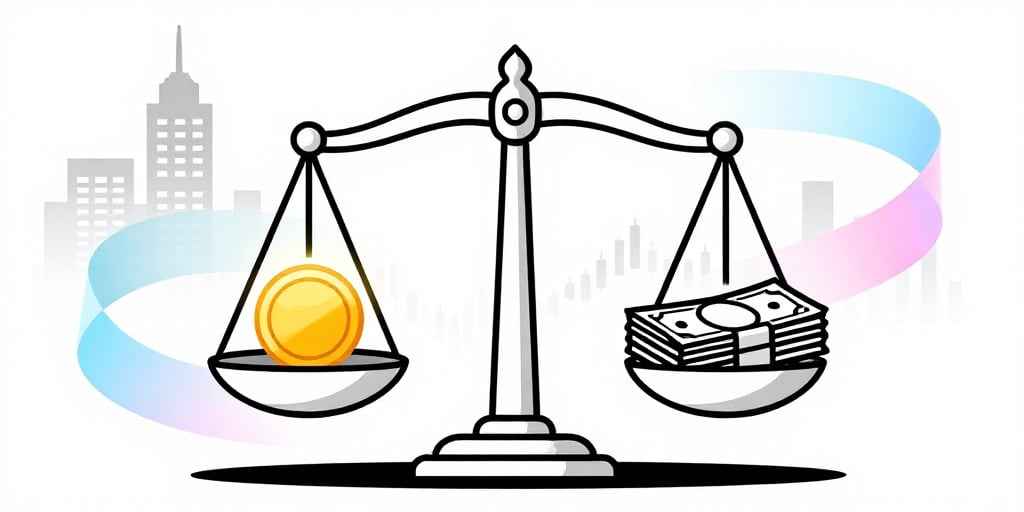
DHL AG’s share‑buyback represents a modest capital‑management move amid a relatively flat trading day. The action aligns with a broader trend of corporate share repurchases within the European market, often pursued to support share price, signal confidence in the firm’s fundamentals, or optimize capital structure. In the context of a softening market, the buy‑back may be interpreted as an attempt to provide a supportive cushion for shareholders, although the limited size and the muted price reaction suggest that market sentiment remains cautious.
The performance of DHL AG relative to its peers underscores sector‑specific dynamics. While the logistics industry benefits from persistent demand for supply‑chain services, recent macro‑economic headwinds—such as inflationary pressures, tightening monetary policy, and volatile freight costs—have tempered investor enthusiasm. In contrast, companies in adjacent sectors, including pharmaceuticals and industrial materials, are similarly navigating a challenging macro environment, reflected in their subdued performance within the DAX and Euro STOXX 50.
Overall, DHL AG’s share‑buyback activity is a noteworthy yet modest development in a period of market stability, illustrating how companies continue to employ capital‑management strategies even as broader economic trends exert subtle pressure on equity valuations.