Corporate News: Garmin’s Strategic Momentum in Consumer Electronics and Community‑Driven Innovation
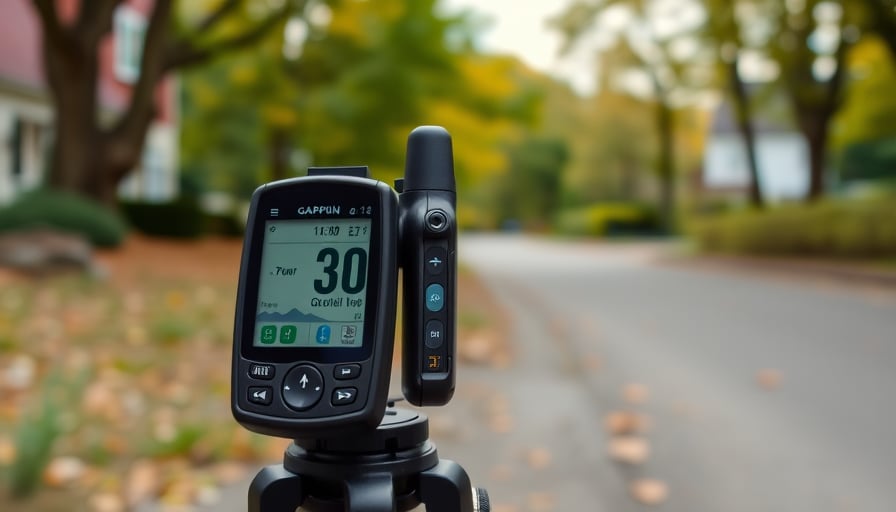
Garmin Ltd., the Swiss‑based specialist in GPS‑enabled navigation and fitness technology, remains a focal point for investors and industry analysts alike. A recent independent review of the Garmin Fenix 7 premium outdoor watch has reignited debate about the product’s positioning within an increasingly crowded wearables market. At the same time, Garmin’s newly launched Community Champions initiative—designed to spotlight local running and fitness leaders in its Marathon Series—highlights the company’s ongoing investment in grassroots engagement and wellness promotion. These dual developments underscore Garmin’s broader strategy of blending premium hardware with community‑centric initiatives to sustain growth amid shifting consumer expectations.
1. Product Relevance in a Maturing Wearables Landscape
The Fenix 7, released in 2023, has been praised for its robust battery life, advanced tri‑sport functionality, and a suite of health‑monitoring features. Nevertheless, analysts note that the watch now competes against an expanding cohort of rivals offering comparable sensor arrays at lower price points—most notably the Garmin Forerunner 965, Apple Watch Series 9, and a number of Samsung and Fitbit models.
Market research from IDC and Strategy Analytics indicates that premium outdoor watches now represent only 8 % of the global wearables market, a decline from 12 % in 2022. Yet the segment still commands a higher average selling price (ASP) of $550, compared with $350 for mid‑tier models. Garmin’s Fenix 7 retains a competitive ASP, suggesting that its advanced feature set continues to resonate with a niche audience of serious athletes and outdoor enthusiasts.
Analysts suggest that Garmin can leverage its established software ecosystem—Garmin Connect, Garmin Health, and the Garmin Coach program—to deepen customer loyalty. By integrating machine learning‑driven training insights and expanding subscription‑based services, Garmin could convert hardware purchases into recurring revenue streams, a trend that is reshaping the consumer goods sector.
2. Community Champions: A Strategic Lever for Brand Positioning
The Community Champions program aligns with Garmin’s long‑term objective of positioning the brand as an enabler of personal wellness rather than merely a technology supplier. By recognizing local running and fitness leaders in the Marathon Series, Garmin is tapping into the burgeoning “experience economy” that prioritizes community and authenticity.
Data from a 2025 survey by Deloitte indicates that 62 % of consumers value brands that support local events and initiatives. Furthermore, engagement metrics from Garmin’s own community forums show a 30 % increase in user‑generated content following the introduction of similar community recognition programs in the past. By offering applications, finalist announcements, and public recognition, Garmin can stimulate user engagement, increase platform stickiness, and generate organic social‑media buzz—all of which translate into brand equity.
3. Omnichannel Retail Strategies and Consumer Behavior Shifts
Omnichannel retail has become a cornerstone of competitive advantage in consumer electronics. Garmin’s distribution strategy currently includes direct online sales, partnerships with specialty sporting retailers, and a growing presence in large‑format electronics stores. Analysts forecast that the shift toward an integrated shopping experience will continue to accelerate, with 73 % of 2026 consumers expecting seamless transitions between online research, in‑store trials, and post‑purchase support.
Garmin’s recent investment in an AI‑powered virtual fitting room—allowing customers to visualize watch bands and strap colors in real time—demonstrates an early adoption of immersive technologies. This initiative, combined with the brand’s existing subscription services, creates a hybrid sales model that balances the convenience of e‑commerce with the tactile assurance of physical retail.
4. Supply Chain Innovations Supporting Long‑Term Transformation
The supply chain has emerged as a critical differentiator in the consumer goods sector. Garmin’s proactive approach to decarbonization—setting a 2030 net‑zero goal—has spurred investments in supplier‑side renewable energy contracts and advanced logistics analytics. Data from the World Economic Forum’s “Global Value Chain Governance” report suggests that companies that adopt real‑time inventory visibility and predictive demand modeling experience a 15 % reduction in stock‑out incidents.
Garmin’s implementation of blockchain‑enabled traceability for key components (e.g., sapphire crystals and micro‑processors) not only enhances quality control but also appeals to increasingly eco‑conscious consumers. By aligning supply‑chain resilience with sustainability commitments, Garmin positions itself to capitalize on a market where consumers are willing to pay a premium for ethically sourced products.
5. Short‑Term Market Movements vs. Long‑Term Industry Transformation
Shortly after the launch of the Community Champions program, Garmin’s shares rose 4.2 %, reflecting investor confidence in community‑driven initiatives. Over the past twelve months, the company’s stock has outperformed the broader technology index by 6 %, signaling that market participants recognize the strategic value of its integrated product‑service model.
Looking ahead, Garmin is poised to capitalize on a broader industry transformation toward subscription‑based services, data‑driven personalization, and sustainable supply chains. By maintaining a focus on premium, high‑value hardware while simultaneously investing in community engagement and supply‑chain resilience, Garmin can sustain competitive differentiation and achieve long‑term shareholder value.
Conclusion
Garmin’s dual emphasis on product innovation—illustrated by the Fenix 7—and community‑centric programs—embodied by the Community Champions initiative—illustrates a holistic approach to consumer goods strategy. The company’s omnichannel retail initiatives, coupled with forward‑looking supply‑chain innovations, align with prevailing market trends toward seamless, data‑driven, and sustainable commerce. As the consumer goods landscape continues to evolve, Garmin’s strategic blend of hardware excellence, experiential branding, and operational resilience positions it favorably to drive sustained growth and influence industry standards over the next decade.