
Foxconn’s Strategic Pivot Into Mobility: A Case Study in Diversification
1. Context: From Connectivity to Mobility
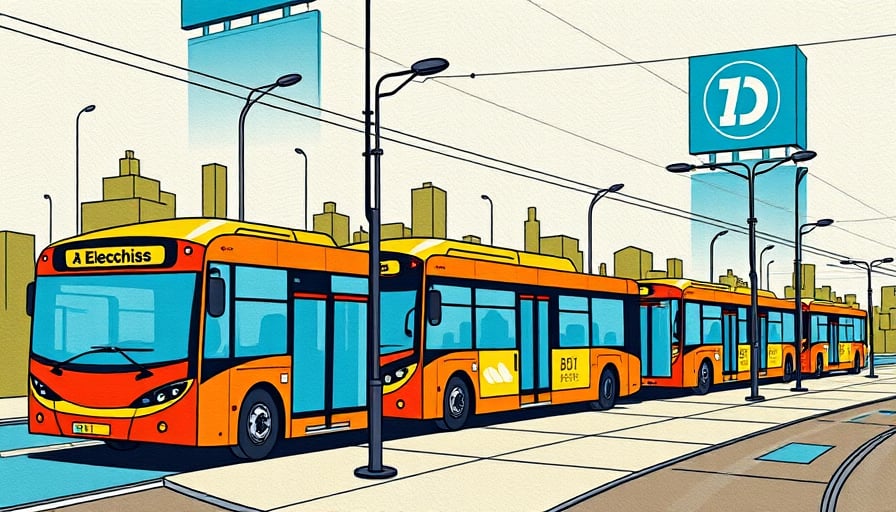
Foxconn Industrial Internet Co. Ltd., long known for its prowess in manufacturing network infrastructure and consumer electronics, has entered a joint venture with Mitsubishi Motors to produce electric buses under a new brand. This partnership marks a deliberate move beyond Foxconn’s core competency in communication devices, aligning the company with the rapidly growing electric vehicle (EV) sector.
2. Drivers of the Expansion
| Driver | Rationale | Implications |
|---|---|---|
| Demand for integrated IoT platforms | The rise of smart cities demands seamless integration of transport, traffic management, and data analytics. | Foxconn’s expertise in embedded systems positions it to deliver turnkey solutions for connected fleets. |
| Erosion of traditional manufacturing margins | Global supply chain disruptions and commoditization of hardware erode profitability for pure OEMs. | Diversifying into higher‑value services buffers revenue streams against cyclical downturns. |
| Strategic alliances with automotive leaders | Partnerships with established automakers provide immediate credibility and access to production facilities. | Accelerates time‑to‑market and reduces capital expenditure compared to organic build‑outs. |
3. Challenging Conventional Wisdom
Traditionally, electronics manufacturers have refrained from deep involvement in automotive production, citing divergent engineering cultures and supply‑chain constraints. Foxconn’s move subverts this norm by:
- Leveraging cross‑industry synergies – Its existing software stacks for network equipment can be repurposed for vehicle‑to‑everything (V2X) communication.
- Capitalizing on scale – Foxconn’s global manufacturing footprint allows rapid scaling of battery and propulsion components.
- Mitigating risk through partnership – By collaborating with Mitsubishi Motors, Foxconn sidesteps the heavy upfront investment that a standalone EV venture would entail.
4. Market Implications
The electric bus segment is projected to grow at a compound annual growth rate (CAGR) of 18% over the next decade, driven by regulatory mandates and cost reductions in battery technology. Foxconn’s entry could:
- Elevate competition against entrenched bus manufacturers by offering integrated digital solutions.
- Create a new revenue baseline for Foxconn, potentially accounting for 5–7% of its annual turnover by 2030 if the partnership gains traction.
- Stimulate supply‑chain realignment, encouraging suppliers of power electronics and sensor modules to pivot toward mobility applications.
5. Strategic Outlook
| Timeframe | Focus | Actions |
|---|---|---|
| 0–1 yr | Integration | Harmonize engineering processes, align quality standards, and develop a shared product roadmap. |
| 1–3 yr | Market Entry | Launch pilot bus prototypes, secure pilot contracts with municipal fleets, and collect performance data. |
| 3–5 yr | Scale & Diversify | Expand production capacity, explore complementary mobility offerings (e.g., autonomous shuttles), and pursue vertical integration of battery supply. |
6. Conclusion
Foxconn’s collaboration with Mitsubishi Motors exemplifies a strategic pivot that aligns a traditional electronics manufacturer with a high‑growth mobility market. By challenging industry orthodoxy and exploiting cross‑sector synergies, the partnership positions Foxconn to capture a stake in the future of urban transportation while reinforcing its resilience against the volatility of conventional manufacturing cycles.