
Corporate News Analysis
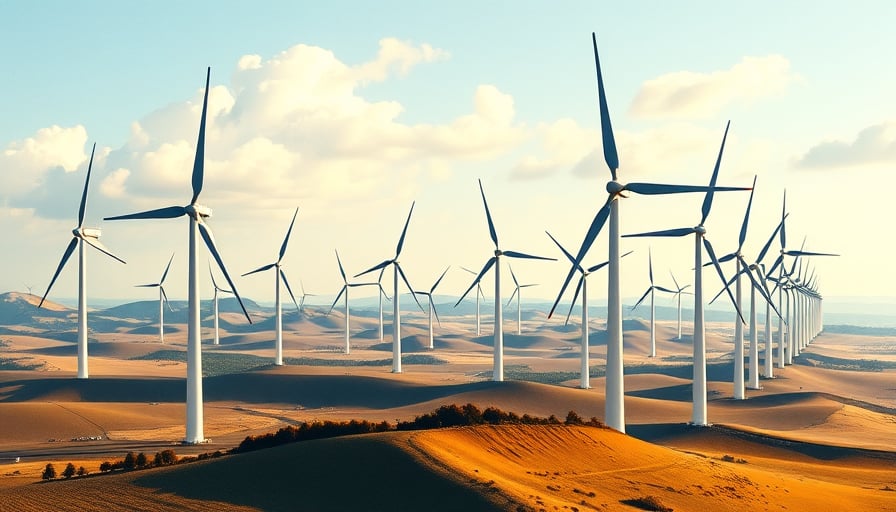
Fortum Oyj, a leading Nordic energy group, completed the acquisition of a wind‑energy development portfolio from ABO Energy on 28 November 2025. The transaction adds approximately 4.4 GW of onshore wind projects located across Finland, comprising nearly thirty development sites at a range of project‑development stages.
Transaction Overview
| Item | Detail |
|---|---|
| Seller | ABO Energy |
| Buyer | Fortum Oyj |
| Portfolio Size | ~4.4 GW of onshore wind capacity |
| Number of Sites | ~30 development locations |
| Payment Structure | Initial lump‑sum payment plus milestone‑based performance‑linked payments |
| Closing Date | 28 November 2025 |
Fortum’s formal statement confirmed the transfer of assets, outlined the initial cash outlay, and highlighted the possibility of additional compensation tied to the progression of the projects. This staged payment scheme aligns Fortum’s capital allocation with risk exposure and project milestones.
Strategic Significance for Fortum
Expansion of Renewable Footprint
The acquisition substantially broadens Fortum’s renewable energy portfolio in Northern Europe. By adding 4.4 GW of onshore wind, the company strengthens its position in the Finnish market and enhances its ability to meet national renewable energy targets set by the European Union and Finland’s own climate commitments.
Geographic and Asset Diversification
The 30 development sites span a range of wind corridors across Finland, offering geographic diversification that mitigates site‑specific risks such as wind resource variability, permitting delays, and grid connection constraints. This spread also positions Fortum to benefit from regional differences in policy incentives and market dynamics.
Synergy with Existing Energy Mix
Fortum’s core operations encompass generation, distribution, and energy services, with a significant focus on nuclear and hydroelectric assets in Finland. The wind assets complement these baseload sources, enabling greater flexibility in the power mix and facilitating the integration of intermittent renewable generation into the grid.
Broader Market Context
Growing Demand for Low‑Carbon Generation
Europe’s energy transition accelerates the need for low‑carbon generation, particularly in the Nordics where climate policy is stringent. Finland’s commitment to reduce greenhouse‑gas emissions by 55 % relative to 1990 levels by 2035 creates a conducive environment for new wind projects. Fortum’s expansion aligns with this macro‑trend, potentially capturing market share as other utilities accelerate their own wind programmes.
Regulatory and Policy Landscape
The transaction occurs amid a regulatory environment that increasingly incentivizes renewable development. The Finnish government has introduced feed‑in tariffs, tax incentives, and streamlined permitting processes for wind projects. By securing a sizeable portfolio, Fortum positions itself to leverage these incentives and mitigate potential regulatory uncertainties.
Technological and Economic Drivers
Advances in wind turbine technology have lowered levelized cost of energy (LCOE), improving the economics of onshore projects. Coupled with declining costs of grid infrastructure and storage solutions, the profitability outlook for wind assets is improving. The staged payment structure adopted by Fortum allows the company to align investment costs with these evolving economics.
Comparative Industry Insights
| Sector | Similar Strategic Move | Key Takeaway |
|---|---|---|
| Renewable Energy | Ørsted’s acquisition of offshore wind portfolios | Focus on scaling renewable capacity through portfolio consolidation |
| Electric Utilities | Duke Energy’s purchase of solar farms | Diversification into renewables to meet ESG targets |
| Technology | Tesla’s acquisition of battery storage firms | Vertical integration to control end‑to‑end value chain |
Across industries, a common theme emerges: large firms are consolidating assets in high‑growth, policy‑driven sectors to secure long‑term competitive advantages. Fortum’s wind portfolio acquisition is consistent with this broader corporate strategy.
Economic Implications
- Capital Allocation Efficiency – By acquiring developed projects, Fortum reduces development risk and accelerates return on investment compared to greenfield development.
- Job Creation – The development phase and subsequent operation of the wind sites will generate local employment, contributing to Finland’s economic resilience.
- Energy Price Stability – Increased renewable generation capacity can dampen electricity price volatility, benefiting both consumers and the broader economy.
Conclusion
Fortum Oyj’s purchase of ABO Energy’s 4.4 GW wind‑energy portfolio represents a calculated move to deepen its renewable footprint, diversify geographic exposure, and align with Finland’s and the EU’s climate objectives. The transaction reflects a broader trend of incumbents consolidating renewable assets to secure competitive positioning and capitalize on favorable regulatory and technological developments. As the Nordic energy landscape evolves, such strategic acquisitions are poised to shape market dynamics and drive long‑term value creation for stakeholders.