
Corporate News
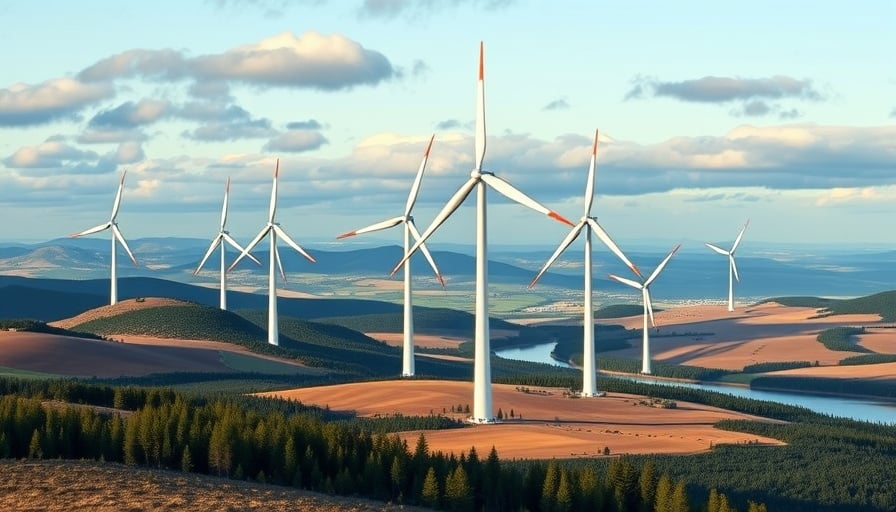
Fortum Oyj has completed the acquisition of a 4.4‑gigawatt wind‑energy development portfolio from ABO Energy in Finland. The transaction, finalized on 28 November 2025, brings together a number of wind projects at various stages of development within the country. The deal was executed for a negotiated sum and represents a significant expansion of Fortum’s renewable asset base in the Nordic region.
The company’s shareholders noted that the purchase aligns with its broader strategy to increase renewable generation capacity and support the transition to cleaner energy sources. No further operational details have been disclosed at this time.
Strategic Implications
Fortum’s purchase of the ABO Energy portfolio underscores the firm’s commitment to a diversified energy mix and a measurable reduction in carbon intensity. By acquiring projects that span early‑stage feasibility, construction, and operational phases, Fortum is positioned to accelerate the delivery of new wind capacity to the Finnish grid, thereby enhancing the reliability of renewable supply and meeting the country’s stringent climate targets.
The Nordic region has long been recognized as a leader in wind development, driven by favorable wind resources, robust regulatory support, and a strong policy framework that encourages renewable investment. Fortum’s expansion into this segment reflects a strategic response to market dynamics, where utility‑scale wind projects increasingly serve as a key component of national decarbonisation plans.
Market and Economic Context
The renewable energy sector continues to experience robust growth, propelled by tightening emissions regulations, falling wind technology costs, and the global shift toward low‑carbon power. In Finland, the government’s 2035 climate goals and the European Union’s Green Deal create a conducive environment for wind development. Fortum’s acquisition is timely, as it coincides with the EU’s emphasis on internal energy market integration and the development of cross‑border renewable corridors.
From an economic standpoint, the wind industry benefits from long‑term price stability and low operating costs once projects are online. This translates into attractive return profiles for investors and a solid foundation for financing future renewable expansions. Fortum’s addition of 4.4 GW of wind potential aligns with these economic drivers, potentially improving its earnings profile through diversified generation and hedging against volatile fossil fuel markets.
Competitive Positioning
Fortum, traditionally a major player in the Nordic electricity and heat markets, has steadily broadened its portfolio to include renewables and battery storage. The ABO Energy acquisition further strengthens its competitive stance against peers such as Ørsted, Vattenfall, and EnBW, who have aggressively pursued offshore and onshore wind portfolios across Europe. By consolidating a sizable onshore wind base in Finland, Fortum enhances its scale advantages, economies of scale in construction and operations, and its ability to influence market pricing dynamics.
Conclusion
The acquisition of the 4.4‑GW wind portfolio from ABO Energy is a significant milestone in Fortum’s transition strategy. It consolidates the company’s position as a leading renewable energy provider in the Nordic region, aligns with broader European decarbonisation objectives, and offers a solid platform for future growth in a rapidly evolving energy market.