
Fortescue Ltd Advances Green Hydrogen Initiative While Maintaining Core Iron‑Ore Focus
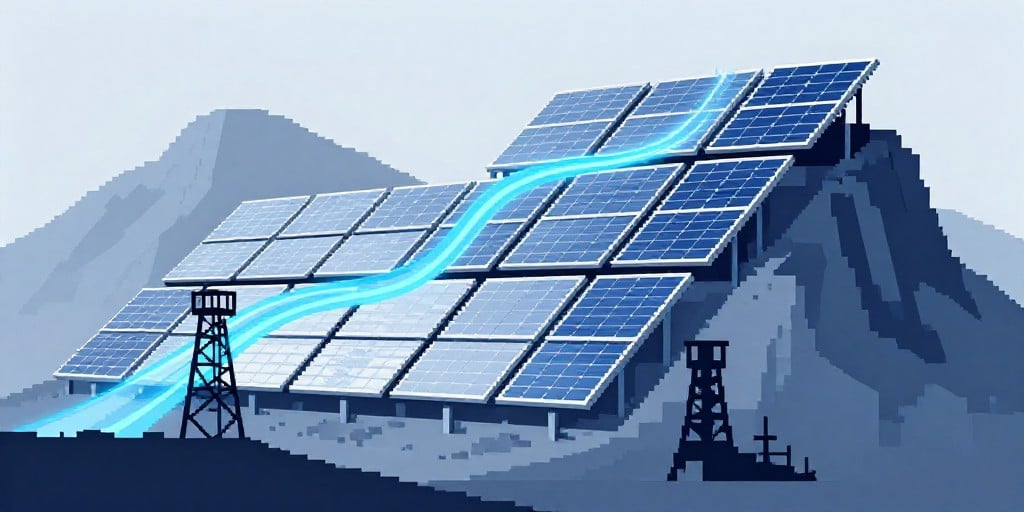
Fortescue Ltd, one of Australia’s leading iron‑ore producers, has announced progress in a joint venture aimed at developing a photocatalytic water‑splitting system for green hydrogen production. The partnership involves the company, Sparc Technologies, and Adelaide University, and seeks to harness sunlight, water, and a catalyst to generate hydrogen without conventional electrolyzers. By potentially reducing the need for extensive infrastructure and energy input, the technology could lower the cost of green hydrogen and broaden its commercial viability.
Technological Innovation and Development Status
The project remains in the research‑and‑development phase, with a target of demonstrating the system at a larger scale before moving toward commercial deployment. Preliminary laboratory trials have indicated that the photocatalyst can achieve hydrogen yields comparable to current electrolyzer technologies under optimal conditions, but the efficiency under variable sunlight exposure and real‑world water quality has yet to be quantified. The research team is also investigating the longevity of the catalyst, as degradation over time could erode the projected cost advantages.
From a capital expenditure standpoint, the absence of electrolyzer hardware and associated power conversion equipment could translate into a 15‑20 % reduction in upfront investment relative to conventional green hydrogen plants. However, the long‑term economic case will hinge on the catalyst’s durability, the scalability of the light‑harvesting architecture, and the availability of suitable solar irradiance in deployment sites.
Regulatory Landscape and Market Dynamics
Australia’s hydrogen strategy is still in its formative stages. While the federal government has pledged support for low‑carbon hydrogen, a comprehensive regulatory framework that covers permitting, grid integration, and safety standards has not yet been finalized. Fortescue’s venture therefore navigates an uncertain compliance environment, which could delay commercial roll‑out or inflate regulatory costs. Additionally, the company’s iron‑ore operations are subject to commodity price volatility, trade tariffs, and mining‑specific environmental regulations, all of which could influence the allocation of capital between its core business and renewable projects.
Market analysts note that the global demand for green hydrogen is projected to grow at a compound annual growth rate (CAGR) of 20‑25 % over the next decade, driven largely by decarbonization mandates in transport and industry. Fortescue’s entry into this space aligns with the broader trend of mining firms diversifying into renewable energy, but the company’s success will depend on whether it can secure a credible cost advantage over established electrolyzer manufacturers.
Shareholding Update and Investor Sentiment
In a separate corporate disclosure, Fortescue revealed that a major financial institution has become a substantial holder of its ordinary shares. While the filing confirmed a significant block of shares, it did not indicate any change in board representation or related‑party transactions. Under Australian disclosure rules, such updates are routine and do not, by themselves, signal a strategic shift.
The market reaction to the shareholding disclosure has been muted, with Fortescue’s share price experiencing only modest fluctuations. Analysts attribute this stability to the company’s long‑term revenue model, which remains firmly anchored to iron‑ore production and commodity price dynamics. The hydrogen initiative, while strategically noteworthy, is still considered a long‑term growth vehicle and therefore has not yet translated into a material shift in investor expectations or valuation multiples.
Risks and Opportunities
| Category | Potential Risk | Potential Opportunity |
|---|---|---|
| Technology | Catalyst degradation could erode cost benefits. | Successful scale‑up could position Fortescue as a pioneer in cost‑efficient green hydrogen. |
| Regulation | Uncertain permitting may delay deployment. | Early compliance with emerging standards could provide a competitive edge. |
| Market | Iron‑ore price slump could divert capital. | Diversification into renewable projects may cushion revenue volatility. |
| Capital | High R&D costs may strain balance sheet. | Potential for strategic partnerships or joint‑venture equity financing. |
Conclusion
Fortescue Ltd’s foray into photocatalytic hydrogen production represents a deliberate diversification strategy that aligns with global decarbonization trends. While the company maintains its primary focus on iron‑ore extraction—an asset that remains sensitive to commodity cycles—the partnership with Sparc Technologies and Adelaide University could unlock a low‑cost hydrogen pathway that distinguishes Fortescue in an increasingly competitive renewable energy landscape. Investors and analysts will need to monitor the technology’s maturation, regulatory developments, and the company’s capital allocation decisions to assess whether the hydrogen venture will materialize into a substantive revenue stream or remain a high‑risk research endeavor.