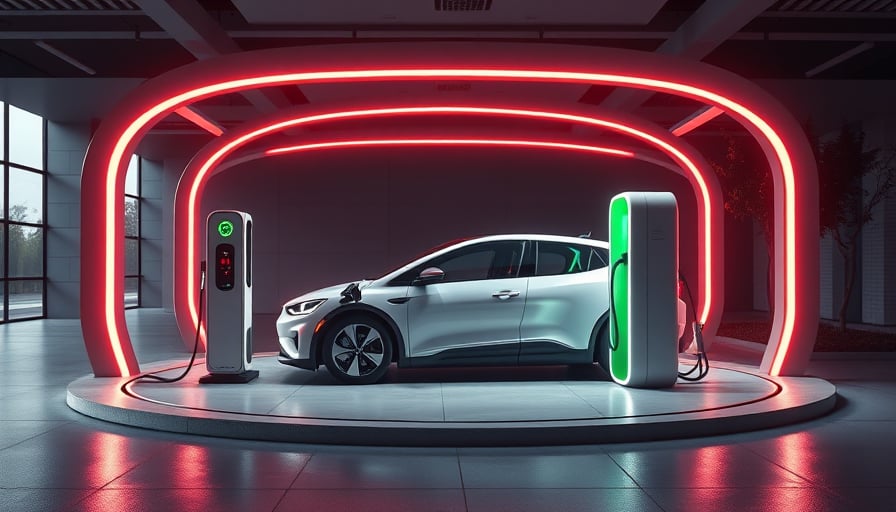
Ford Motor Co. Navigates the Transition to an Electrified Future
Executive Summary
Ford Motor Company is in the midst of a strategic transformation, shifting its flagship model lineup—including the iconic Mustang—toward electric propulsion. This transition coincides with the brand’s 60‑year anniversary, offering a compelling juxtaposition between its storied heritage and a future defined by electrification. While the company’s dividend policy remains robust, sustaining that level amid an electrified shift poses a critical scrutiny point for investors and analysts alike.
Dividend Policy and Financial Sustainability
Ford has historically maintained a dividend yield that aligns with the expectations of income‑focused investors. Analysts caution that the capital expenditures required for electric vehicle (EV) development, battery supply chain upgrades, and autonomous technology may compress free‑cash‑flow margins. The sustainability of current dividend payouts will depend on:
- Capital Allocation Efficiency: The balance between reinvestment in EV platforms and shareholder returns.
- Cost of Capital: Potential increases in borrowing costs as the company seeks long‑term financing for battery production.
- Profitability Trajectory: The ability to generate operating income that supports both dividend payments and R&D expenditures.
A detailed review of Ford’s cash‑flow statements and dividend payout ratios over the past five fiscal years indicates a gradual decline in operating cash‑flow per share, underscoring the need for careful monitoring.
Investor Activity and Institutional Confidence
Recent trading data reveal a notable acquisition of Ford stock by a prominent investment firm. This block purchase signals continued confidence in Ford’s long‑term strategy, particularly its emphasis on electrification and potential partnerships with battery manufacturers. Institutional investors tend to prioritize companies with clear pathways to profitability in high‑growth sectors; Ford’s commitment to EVs positions it favorably within this paradigm.
However, the timing of the investment coincides with a broader market tightening, suggesting that institutional capital is being allocated strategically to companies perceived to possess strong governance and transformational potential.
Executive Compensation Amid Performance Challenges
Ford’s Chief Executive Officer received a substantial compensation package during a period marked by fluctuating profitability. The disjunction between executive remuneration and corporate performance has attracted scrutiny from shareholders and industry observers. Key considerations include:
- Alignment of Incentives: Whether the CEO’s compensation package incorporates performance metrics tied to EV adoption rates, cost‑of‑goods reductions, or market share gains in electrified segments.
- Peer Benchmarking: How Ford’s executive remuneration compares to peers in the automotive sector that are also undergoing electrification.
- Governance Practices: The role of the board in approving compensation and ensuring it reflects long‑term value creation.
Market Context and Macro‑Economic Influences
Ford’s share price has demonstrated modest volatility, reflecting both internal dynamics and external macroeconomic trends:
- Interest Rate Sensitivity: Rising U.S. Treasury yields have tightened the cost of capital for automakers, influencing investor appetite for growth‑oriented assets.
- Supply Chain Disruptions: Ongoing semiconductor shortages and logistics challenges continue to affect production schedules and margins.
- Regulatory Landscape: Stricter emissions standards and incentives for EV adoption in the United States and Europe are reshaping demand curves for automotive manufacturers.
Analysts project that Ford’s investment in EV technology could become a catalyst for renewed investor interest, particularly if the company secures a competitive advantage in battery technology or cost‑effective mass production.
Cross‑Sector Linkages and Broader Economic Implications
Ford’s transformation intersects with several other sectors:
- Energy: Battery supply chains involve lithium mining, cobalt extraction, and chemical processing industries.
- Technology: Software development for autonomous driving and vehicle connectivity introduces significant collaboration opportunities with silicon and AI firms.
- Finance: Vehicle leasing and financing models adapt to new pricing structures for electric vehicles, affecting the auto‑finance sector.
By successfully navigating these interdependencies, Ford could serve as a model for legacy manufacturers integrating into the electrified economy, thereby influencing broader industrial trends toward decarbonization and digitalization.
Conclusion
Ford Motor Company’s strategic pivot toward electrification, while honoring its 60‑year heritage, places the firm at a critical intersection of legacy value and future innovation. Dividend sustainability, executive compensation alignment, and investor confidence remain pivotal factors that will shape Ford’s trajectory in the coming years. The company’s performance in these arenas will not only impact its own stock valuation but also provide a barometer for the broader automotive sector’s adaptation to an increasingly electrified landscape.